
Chapter 7 Bankruptcy: What Happens After Liquidation?
Chapter 7 bankruptcy is one of the most popular forms of bankruptcy and can provide you with a way to eliminate your debt. After you have begun the process of filing for Chapter 7, you need to know what to expect at the end of the process.
Liquidation of Assets
During the chapter 7 bankruptcy process, a bankruptcy trustee is going to look over all of your assets. It is their job to locate assets that they can sell in order to provide some money to your creditors. If they locate any assets that they can liquidate, they will take them and sell them. Therefore, you should be prepared to lose some of your property during this part of the process.
Discharge
After the trustee and the court is satisfied that you do not have any other assets to liquidate, they are going to discharge your debt. This means that all of the debt that is not exempt will be eliminated from your record. For example, if you had large credit card balances, these balances will be completely erased. At this point, your creditors will not be able to come after you any more for repayment of your original debt.
-

Debt-to-Assets Ratio: Definition, Calculation & Risk Assessment
The Debt to Assets Ratio is a leverage ratioLeverage RatiosA leverage ratio indicates the level of debt incurred by a business entity against several other accounts in its balance sheet, income statem
-
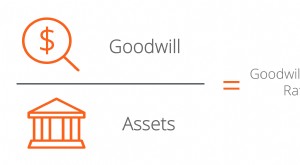
Goodwill to Assets Ratio: Definition & Analysis
The goodwill to assets ratio measures the amount of goodwill a company has recorded on its books compared to its total assetsTypes of AssetsCommon types of assets include current, non-current, ph
debt
- Debt and International Relocation: What to Expect
- Understanding Your Bankruptcy Estate: Assets and Eligibility
- Chapter 7 Bankruptcy & Asset Protection: What You Need to Know
- Chapter 13 Bankruptcy & Property Protection: What You Need to Know
- Understanding Your Bankruptcy Trustee: Role & Responsibilities
- Debt After Death: What Happens to Your Debts?
- Understanding Bankruptcy: Impact on Your Credit & Options
- Understanding Bankruptcy Options: Chapter 7, 11 & 13 Explained
- Chapter 13 Bankruptcy: Eligibility & How It Works | [Your Company Name]
-
 Understanding Asset Sales: Definitions, Tax Implications, and Business Strategies
What Is the Meaning of Sale of Assets Most businesses have a variety of assets, including real estate, equipment and supplies. Individual asset disposal or sale may take place as part of norm...
-
 Chapter 7 vs. Chapter 11 Bankruptcy: Understanding the Differences
Companies that find themselves in a dire financial situation where bankruptcy is their best—or only—option have two basic choices: Chapter 7 bankruptcy or Chapter 11 bankruptcy. Both are also availa...