
Understanding Bank Identification Numbers (BINs): What They Are & Why They Matter
A bank identification number (BIN) represents the first four to six digits on a credit card. The first four to six digits identify the financial institution that issued the card. The BIN is a security measure to protect both consumers Types of CustomersCustomers play a significant role in any business. By better understanding the different types of customers, businesses can be better equipped to developand merchants engaging in online transactions. It can provide useful information to identify cases of identity theft, stolen cards, and fraud by comparing the data obtained from the BIN to the card holder’s data.
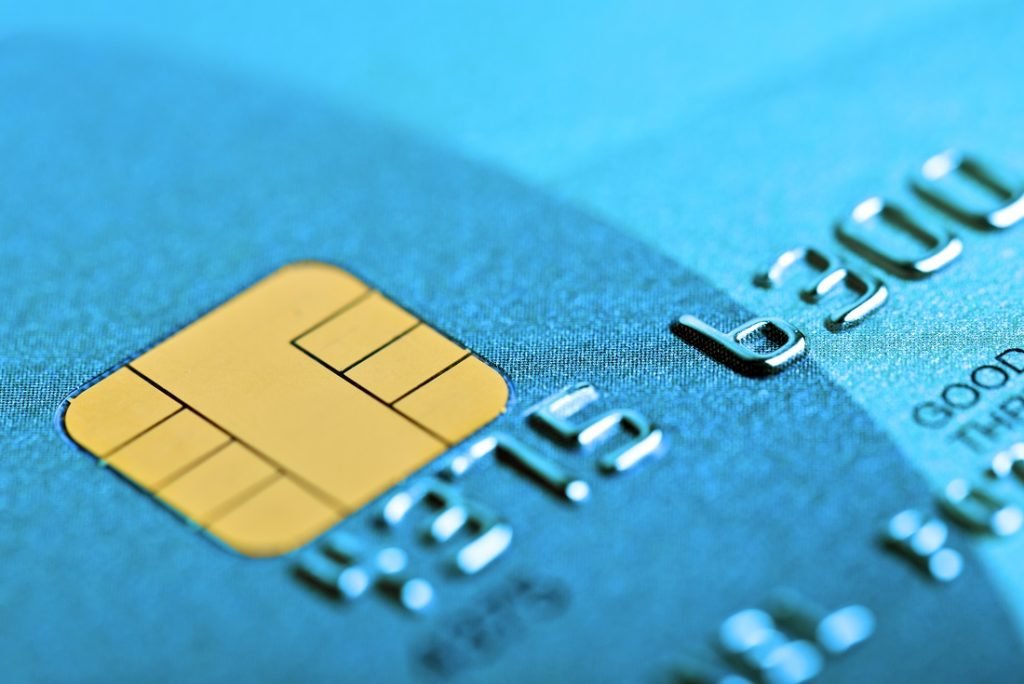
In addition to identifying the financial institution, the BIN can track the geographic location of the bank that issued the card. Participants in online transactions can detect cases of fraudFraudFraud refers to any deceptive activity engaged in by an individual with the aim of gaining something through means that violate the law. One keyword in and identity theft by matching the geographic location of the cardholder to the location provided by the BIN.
Since other financial institutions aside from banks also issue cards, BIN is also known as an issuer identification number (IIN).
How Do Bank Identification Numbers Work?
The first character of the BIN is called an industry identifier. It is used to identify the industry of the issuing company. For example, cards that start with a 4 or 5 belong to banks and financial institutions. Similarly, other numbers are reserved for other industries, including airlines, entertainment, and hospitality. The remaining five digits of the BIN identify the card-issuing institution.
A BIN helps track the origin of a consumer’s funds. When a credit cardCredit CardA credit card is a simple yet no-ordinary card that allows the owner to make purchases without bringing out any amount of cash. Instead, by using a credit is swiped, the card machine scans the BIN and identifies the account associated with it. Once it identifies the account associated with the card, it puts in a request to withdraw funds from the account to complete the transaction.
The issuer of the card takes only a few seconds to approve the request. The process is generally automated. In some cases, for example, the request gets denied if the value of the transaction is greater than the daily withdrawal limit.
The BIN is extremely important because, without it, credit card machines and online payment platformsVenmoVenmo is a peer-to-peer digital payment service that allows people to send and receive money instantly. It started as a payment system through text message, capitalizing on the opportunity to use its platform as a social network where friends and family can connect. will not be able to identify the account from which the money needs to be debited, and the transaction will not take place.
Importance of Bank Identification Numbers
BINs not only identify the card-issuing institution and their location but also make the data known to the person engaging in the transaction. It helps the participants in online transactions to verify the information and identify cases of fraud, stolen cards, and identity theft.
Let us consider an example of a consumer making an online purchase. Once the consumer enters his card number, the online retailer can identify the financial institution that issued the card and their location. While it does not help in itself, the online retailer can match the information to the location on the customer’s profile. It can help in verifying the authenticity of the transaction.
After cross-checking the information, if there is any reason to believe that the transaction is a fraud, the online retailer can investigate further. Similarly, consumers transferring funds to merchants through online banking can verify the merchant’s information before proceeding with a transaction.
In a world where trade and commerce are continuously moving online, BINs play a very important function by protecting both merchants and consumers. They are critical to ensuring that online transactions flow smoothly.
Related Readings
CFI is the official provider of the global Commercial Banking & Credit Analyst (CBCA)™Program Page - CBCAGet CFI's CBCA™ certification and become a Commercial Banking & Credit Analyst. Enroll and advance your career with our certification programs and courses. certification program, designed to help anyone become a world-class financial analyst. To keep advancing your career, the additional CFI resources below will be useful:
- Financial IntermediaryFinancial IntermediaryA financial intermediary refers to an institution that acts as a middleman between two parties in order to facilitate a financial transaction. The institutions that are commonly referred to as financial intermediaries include commercial banks, investment banks, mutual funds, and pension funds.
- International Bank Account Number (IBAN)International Bank Account Number (IBAN)The International Bank Account Number – typically referred to as IBAN – is a system of identification for bank accounts that is used across national borders. Internationally agreed upon, the IBAN system acts as a facilitator for communicating and processing international transactions
- Online Payment CompaniesOnline Payment CompaniesOnline payment companies are responsible for handling online or internet-based methods of payment. Examples include PayPal, Alipay, and Google Pay.
- Fraud TriangleFraud TriangleThe fraud triangle is a framework commonly used in auditing to explain the reason behind an individual’s decision to commit fraud. The fraud
-
![Understanding POS Transactions on Your Bank Statement | [Bank Name/Financial Institution]](https://www.etffin.com/article/uploadfiles/202109/2021092517311528_S.jpg)
Understanding POS Transactions on Your Bank Statement | [Bank Name/Financial Institution]
If you have a checking account at a bank or credit union, you receive a monthly statement showing the account's beginning and ending balances, as well as all the transactions for the month. A tran
-

Understanding Bank Overdrafts: Causes, Costs & Solutions
A bank account overdraft happens when an individual’s bank account balance goes down to below zero, resulting in a negative balance. It usually happens when there are no more funds in the accoun
finance
- Lost Debit Card PIN? Here's How to Recover or Reset It
- Understanding Credit Card BINs & IINs: Issuer Identification Explained
- Credit Card Checksum: Understanding Its Role in Fraud Prevention
- Understanding CVS Codes: Protecting Your Credit Card Information
- Understanding MasterCard Issue Numbers: What They Are & Why They Matter
- Understanding Your Credit Card ID Number: Security & Location
- Account Number Verification: How It Works & Why It's Important
- Understanding Bank Account Roll Numbers: What You Need to Know
- Understanding IBAN: Your Guide to International Bank Account Numbers
-
 Understanding Bank Ratings: A Guide to Financial Stability
Bank rating is a measure of financial soundness for banks. Just like credit agencies such as Standard & Poor’s (S&P)S&P – Standard and PoorsStandard & Poor’s is an Am...
-
 Pay Cards Explained: Benefits, Drawbacks & Alternatives
It’s payday, and your employer wants to pay you using a pay card. What does that mean? A pay card is one way to get your pay — but it may not be your best option. If your employe...