
Advance Directives: Are You Prepared for the Unexpected?
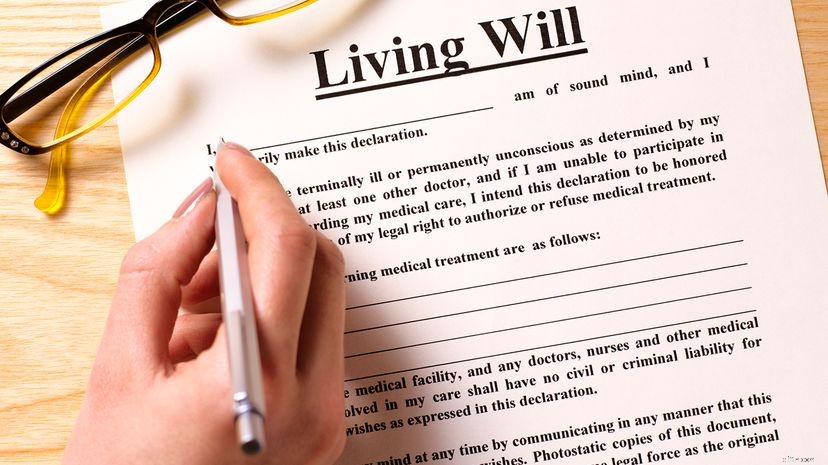 A new meta-analysis shows that only a third of Americans have prepared advanced directive documents.
 If you're a prudent sort of person, you may have prepared an advance directive. That's a document designating who should make decisions on your behalf if you're ever stricken with an illness or injury making you unable to express your own wishes. It also gives directions about end-of-life care.
Unfortunately, most of us aren't prudent people, as demonstrated by new research from the University of Pennsylvania, and published in the journal Health Affairs. The researchers analyzed 150 previous studies involving 750,000 subjects conducted over the past six years, in an effort to find out how many adults had completed a living will, a healthcare power of attorney, or both.
The Penn researchers found that nearly two-thirds of U.S. adults — 63 percent, to be precise — had not completed either of those documents. Only 29.3 percent had written a living will that contained specific end-of-life directions, such as how and even whether they should be kept alive on a ventilator or with a feeding tube, in the event of a catastrophic brain injury with unlikely recovery chances. And just 33.4 percent had designated someone to receive healthcare power of attorney, the authority to make decisions on their behalf.
People suffering from chronic illnesses were slightly more prepared than the average — 38.2 percent had prepared advance directives, for example — and people age 65 and older had the documents 45.6 percent of the time, compared to 31.6 percent among younger adults. In addition to easing emotional and financial burdens on family and loved ones, these documents also help the country at large by lightening the resources required of the legal and medical industries.
"Most experts agree that some form of written directives are a key component of advance care planning, and yet rates of completion are low and do not appear to be increasing," says Dr. Katherine Courtright, a Penn medical school instructor and one of the study's authors, in a press release. "We need to address common barriers to completing these important documents on a national level, particularly among chronically ill patients who are at higher risk for critical illness and death."
-

Alternative Investments: 5 Options for Higher Returns (with Risk Assessment)
Hungry for higher yields than you’re getting? But payoffs can be big. Further up the risk curve, online brokerages let you invest in the next Twitter, though you’ll need nerves of steel
-
Retirement Savings Calculator: How Much Do You Really Need?
Everyone needs money for retirement – but how much do you need to make your golden years feel golden? It’s a balancing act. On the one hand, you need money to ensure that you have a com
finance
- Understanding Funds Available for Distribution (FAD) in REITs
- Understanding Key Risks Facing Banks: A Comprehensive Overview
- Understanding Uniform Rules for Collections (URC): A Comprehensive Guide
- The Hidden Costs of Solo Shopping: Does Shopping Alone Impact Your Budget?
- Pet Ownership Readiness: A Checklist for Responsible Pet Care
- Why Do You Save Money? Understanding Your Savings Goals
- Rediscover Yourself: 10 Steps to Reconnect with Your Identity
- 55 Worthwhile Savings Goals: Plan for Your Future & Dreams
- COVID-19 Preparedness: Essential Steps to Take Now
-
 Prepaid Cards: Benefits, Uses & Are They Right for You?
What Is a Prepaid Card? A prepaid card is a type of debit card, similar to a reloadable gift card or stored-value card. You can load it with a cash balance and use it anywhere a particular card...
-
 Available-for-Sale Securities: Definition & Investment Strategy
Available for sale securities are the default categorization of securities that companies decide to invest in for the purposes of benefiting their financial position. Unlike trading securitiesTrading ...