
Discover Property Code Violations: A Comprehensive Guide
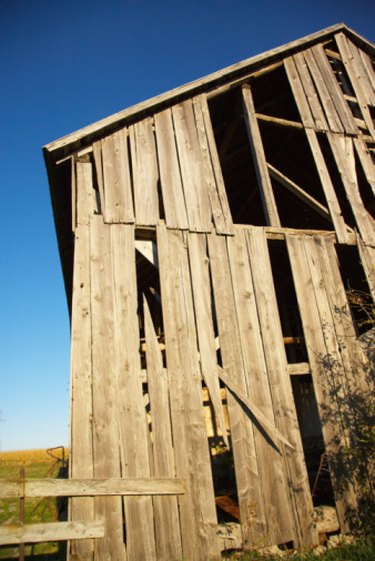
Code violations come in many flavors. According to Code Violation Services Inc., violations can include garbage in a yard, maintenance issues, overgrown lawns, unapproved improvements, safety issues or other dangerous items needing repair in a property. When the city records a code violation, a fee is assigned to the property. Because code violations do not show up as a lien on a title search, it can be difficult to ascertain whether a sanction has been assessed that will delay closing, without contacting the city. Code violations have a way of popping up on paperwork suddenly. A home inspection and follow-up with the city can reveal code violations.
Step 1
Get a referral to an independent home inspector from the local real estate commission in your area or from your real estate agent when purchasing a property. Real estate boards and agents keep lists of certified home inspectors on hand for buyers and prospective buyers. A trained, certified home inspector displays expert knowledge in construction and property codes for the areas he serves, uncovering potential issues upon inspection. The cost to hire the inspector ranges from $300 to $500 in most areas.
Step 2
Review the information from the home inspector. Inspectors email reports to a client 24 to 48 hours after completion of the home inspection, if not sooner. In the report, there is a section specific to building code violations found by the inspector.
Step 3
Contact the city building inspector with the address of the property. The building inspector's office will confirm whether cited violations have any assessed fees requiring payment. If the violation in your report has not been assessed a penalty, you are in the clear when it comes to fees; however, you must make corrections to the violations yourself or negotiate repairs with the seller of the property.
Tip
When it comes to buying and selling properties, foreclosures often display code violation issues. However, foreclosures are also sold “as is,” meaning that the seller will not pay for repairs or code violations. In the case of serious violations requiring costly investment, it might be better to walk away from the transaction, as opposed to purchasing a home in considerable disrepair.
-
Finding Properties with Spring Water: A Comprehensive Guide
Finding a piece of property that has spring water on it is not as challenging as it might seem. Homes that come with a well or underground water system of some kind are homes that have a natural sprin
-

Understanding & Finding Your Assessor's Parcel Number (APN)
Anyone who is closely familiar with real estate transactions knows what an Assessor's Parcel Number (APN) is, but it may be a mystery to the layperson. An APN for property is a specific, unique nu
home finance
- MoneyGram Tracking: Check the Status of Your Money Transfer
- Find Your Perfect Townhome Rental: A Comprehensive Guide
- Find Property Sale Dates: A Comprehensive Guide
- Checking for Eviction History: A Landlord's Guide
- Auctioned Homes: How to Find Records & Details - [Year]
- Check Recent Property Sales: A Guide for Buyers & Neighbors
- Locate the Bank Owning a Property: A Step-by-Step Guide
- Find Your Property Parcel Number: A Simple Guide
- Verify Marital Status: Methods & Resources - A Comprehensive Guide
-
 Identifying Property Insurance Providers: A Guide
Although insurance on a property is not required by law, most mortgage companies providing the financing on a home do require that a policy be in place before they will fund the loan. Since most peopl...
-
 Understanding & Locating Unpaid Property Taxes
Foreclosure and failure to pay property taxes is not uncommon during times of economic turmoil. Many homeowners fall behind on housing obligations, which can lead to an increasing tax bill. Property t...