
Finding Properties with Spring Water: A Comprehensive Guide
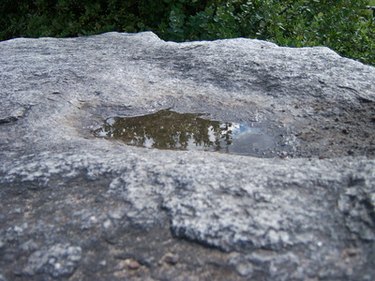
Finding a piece of property that has spring water on it is not as challenging as it might seem. Homes that come with a well or underground water system of some kind are homes that have a natural spring beneath the property. Homes that do not have wells on the property are a little more challenging because determining whether the property has an aquifer or not requires looking for signs above the ground.
Step 1
Ask about wells or underground water systems on the property. Properties with wells have underground springs available on the property or near the property.
Step 2
Look at the type of plant life available on the property. Spring water on properties often comes from underground water sources, which are called aquifers. The plant life on a property often gives an indication of water conditions on the property. Look for areas where plant life is heavier, healthier or more abundant. Water is a necessary component to plants and locations where plants are heavily overgrown, healthier and generally more abundant are good locations to find a natural spring because the plants are getting enough water to thrive.
Step 3
Look for animal tracks or signs of insects. According to Wilderness Survival Skills, insects are usually found in areas with water and animals tend to stay near water sources. These are signs of water near the surface, which means it is possible to find spring water without digging hundreds of feet.
Step 4
Watch for mud or damp ground areas. If there has not been rain recently and the location was not recently watered, damp ground or mud is a sign of water under the surface, which is a natural spring. A little digging will show the water underneath.
Step 5
Dig a hole in possible locations with signs of water. Look at several properties to increase the chances of finding a spring.
Step 6
Avoid dowsing. Dowsing is a method of finding water by using divining rods or a stick. According to the The Straight Dope, dowsing is sometimes called "wishing" or "water witching" because it is a method that does not have scientific backing. Accuracy with dowsing is about the same as making random guesses.
Tip
When in doubt about the location, bring in a geologist. Hydrogeologists are professionals in finding water beneath the ground.
-

Refinancing an Inherited Property: A Comprehensive Guide
No one wants to endure the loss of a loved one. Eventually though, virtually everyone has a loved one who dies. Sometimes at family member or close friend has a house they own free and clear, which th
-
Transferring Property with Right of Survivorship: A Guide
A "right of survivorship" is a special interest in real property. When multiple people take a parcel of property, they can choose to become "tenants with a right of survivorship."
home finance
- Claiming Vacant Land: Adverse Possession & Legal Rights
- Determining the Value of a Double-Wide Home with Land: A Comprehensive Guide
- Land Valuation: A Comprehensive Guide to Pricing Your Property
- Lease Government Land for Farming: A Guide for Small Farmers
- Land Leasing: A Comprehensive Guide to Finding Rental Properties
- Find Your Perfect Townhome Rental: A Comprehensive Guide
- Find Rural Land for Sale: Your Guide to Buying Acreage
- Find Your Property Parcel Number: A Simple Guide
- Making a Land Offer: A Step-by-Step Guide for Buyers
-
 Discover Property Code Violations: A Comprehensive Guide
Code violations come in many flavors. According to Code Violation Services Inc., violations can include garbage in a yard, maintenance issues, overgrown lawns, unapproved improvements, safety issues o...
-
 Land Loans with No Down Payment: Your Guide to 100% Financing
If you do not have the luxury of buying land for its full price in cash, obtaining a land loan through a lending institution is one option available to you. However, land loans can require a down paym...