
Locate Your Homeowners Association: A Step-by-Step Guide
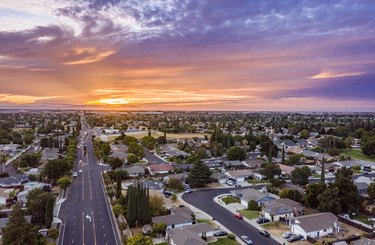
Finding the homeowners association affiliated with your property can be more difficult than you'd think. Ideally, you'll have a bunch of documents – including the community's Declaration of Covenants, Conditions and Restrictions, which tells you the name of the homeowners association, where the board is located and who you should contact if you have any queries. But that isn't always the case. The good news is that you should be able to find what you're looking for at the state division of corporations and the county recorder's office.
CC&R Recorded with the County
In most places, the Declaration of Covenants, Conditions and Restrictions, also called the CC&R, and plat maps for the subdivision are recorded with the county recorder's office. This is a legal requirement to ensure the restrictions and contractual obligations that affect the property will bind future owners. In addition, most HOAs are incorporated as nonprofit corporations, and as such, they are required to register and make certain filings with the state's corporation division. You can explore both avenues to get the information you need.
Find the Name of Your Community
You'll run the searches using the name of the community or subdivision, so that's your starting point. If you don't know the name of your community, and your neighbors don't know either, then check your deed. The name of the subdivision may be written into the legal description of the property.
Alternatively, log onto the county assessor's website and search the records by typing in your name and home address. This should pull up the subdivision name as part of the tax records for your property.
Visit the State's Corporation Commission
Type "[your state] Division of Corporations" into a search engine to find the website for your state's corporation commission website. From there, you can run a corporation search by entering the name of the subdivision or community. What you're looking for are the Articles of Incorporation and/or annual reports of the HOA. Somewhere in those documents, you should find the legal name of the HOA, its mailing address, homeowners association management and/or board details and the name and address of the association's registered agent.
The agent is legally authorized to receive letters and notices on behalf of the HOA (this person may also be a board member or an attorney). If you have a complaint or a query, then you should address your correspondence to the registered agent.
Check You Have the Right HOA
For a belt-and-braces approach, visit the county recorder's office and ask to see the plat map for your subdivision. This map shows all the lots and properties that belong to a particular subdivision or community – make sure your home is covered. You should also be able to review the CC&Rs applicable to your subdivision. This document will list the lot numbers that are within the homeowners association's purview, so you can double check that you have found the right association.
Sometimes HOAs have very similar names, and you want to make sure you have the right one for your home.
Use Paid HOA Locator Services
If you're drawing a blank, it could mean that something has gone wrong with the HOA's mandatory state filing, or it could mean that no HOA exists. A paid service could be your best and final resource. Sites like Association Online and HOA-USA offer HOA locator services and management company/ HOA lookup directories to help you find the association that's responsible for your home. These are paid services so be prepared to write a check.
-

Find Property Owners by Address: A Simple Guide
Identifying the owner of a particular property can help you determine whom to approach about a sales inquiry, or prevent you from falling victim to real-estate scams. Because property owner documents
-

Locate Rural Addresses: A Guide to Finding Properties on Rural Routes
Not everyone enjoys city or suburb living, and some people much prefer living out in the country where things are quieter. These folks can be a bit harder to find, though, especially if they have rura
home finance
- Updating Your Address: A Guide for Credit Reports
- Determine the Value of Your Old Books: A Comprehensive Guide
- Determine the Value of Your DVDs: A Simple Guide
- Locate Your Savings Bonds: A Step-by-Step Guide
- Filing a Complaint Against Your HOA: A Step-by-Step Guide
- Locate Landlords by Address: A Guide for Renters & Neighbors
- Determine if an Address is Inside City Limits: A Comprehensive Guide
- Navigating Pre-Marriage Conversations: A Guide to 'The Talk'
- Achieve Financial Balance: Setting and Reaching Your Savings Goals
-
 Changing Utility Bill Names: A Simple Guide
Your utility bills represent the basic cost of running your home and include expenses for gas, electricity and water. By law, the person who established the account must be named on the bill. It's...
-
 Finding Properties with Spring Water: A Comprehensive Guide
Finding a piece of property that has spring water on it is not as challenging as it might seem. Homes that come with a well or underground water system of some kind are homes that have a natural sprin...