
Synthetic Positions in Trading: Definition & How They Work
A synthetic position is a trading option used to simulate the features of another comparable position. More specifically, a synthetic position is created to simulate a similar reward or risk profile as that of a comparable position.
In the field of options trading, a synthetic position is developed in two ways. A synthetic position can be created by combining different contracts or optionsOptions: Calls and PutsAn option is a derivative contract that gives the holder the right, but not the obligation, to buy or sell an asset by a certain date at a specified price. to match a short or long position on the stock. The other approach involves using a series of options stocks or contracts to simulate a standard options trading approach.
Why Use Synthetic Positions?
Options traders prefer synthetic positions because they are flexible and cost-friendly. For starters, synthetic positions can be used to swap positions when expectations change without necessitating the closure of the existing ones.
Secondly, once a synthetic position is already occupied, it is possible to shift expectations.
Thirdly, the flexibility of synthetic positions means that there is no need to make frequent transactions. In such a way, an existing position can be transformed into synthetic form, as expectations can change any time.
Equally, if a synthetic position is already held and there is a need to benefit from existing market conditions, an individual can simply make adjustments without the need to make a total change.
Types of Synthetic Positions
Generally, there are about four synthetic positions, and they are used for a number of reasons.
1. Synthetic Long Stock
The synthetic long stock position involves emulating the potential results of owning actual stock by using trade options. To develop one, an individual needs to buy at the stock money calls and then record at money puts of an equivalent stock.
The price paid at the calls is earned by the money received once puts are written, meaning that if the stock fails to increase in price, there would be no loss or gain. Ideally, it is almost the same as holding stock.
On the other hand, if stock prices increase, the money calls would generate a profit, and if the price decreases, then the puts would transform into a loss. The likely profit or loss is essentially equal to owning the stock.
The benefit, in this case, comes from the accruing leverage. The capital obligation needed when creating a synthetic position is less than when purchasing an equivalent stock.
2. Synthetic Short Stock
The synthetic short stock position is equivalent to short-selling existing stock. However, the position uses options only. Creating such a position calls for writing on relevant stocks at the money calls. Afterward, the same stock is bought at the money puts.
In case the stock does not increase in price, the outcome is considered neutral. The capital base needed to purchase puts is recovered once calls are written. Thus, if the price of the stock drops, there would be a gain made through the purchased puts.
However, if the price increases, it would translate into a loss because of the written calls. The possible profit or loss is approximately equal to what the outcome would be if an individual short sold a stock.
The synthetic short stock offers two important advantages. One, there is a lot to be leveraged, and two, the stock brings in a lot of dividends. Once the stock is short sold and it generates dividend, the stakeholders are entitled to their share of the dividend. However, stocks under synthetic short position don’t require the seller to distribute a dividendDividendA dividend is a share of profits and retained earnings that a company pays out to its shareholders. When a company generates a profit and accumulates retained earnings, those earnings can be either reinvested in the business or paid out to shareholders as a dividend. to shareholders.
3. Synthetic Long Call
The synthetic long call position is created when stocks are bought through a put optionPut OptionA put option is an option contract that gives the buyer the right, but not the obligation, to sell the underlying security at a specified price (also known as strike price) before or at a predetermined expiration date. It is one of the two main types of options, the other type being a call option., which enables the purchase of relevant stock. The mishmash of put options and owning stock with regards to the stock at hand is the same as owning a call optionCall OptionA call option, commonly referred to as a "call," is a form of a derivatives contract that gives the call option buyer the right, but not the obligation, to buy a stock or other financial instrument at a specific price - the strike price of the option - within a specified time frame..
The synthetic long call is typically used when an individual owns put options and the price of the stock is expected to fall, but expectations changed with the hope that prices would increase.
Rather than selling put options and then buying a call option, it is much easier to reconstruct a payoff characterized by obtaining essential stock and then refashioning a synthetic long call option. Essentially, it would lead to a drop in the cost of transactions.
4. Synthetic Short Call
The synthetic short type of call requires short selling and writing a put on the essential stock. The positions reconstruct the features of a short call option.
It is often used where there is a shortage of puts and the price of the stock is expected to increase, but in the actual sense, the person interested in this stock expects the price to drop.
Rather than closing all short put positions and shorting all calls, the stockholder can simply recreate not possessing enough calls by shorting the relevant stocks. It will lead to a decrease in the cost of the transaction.
Final Word
The concept of synthetic position seems puzzling, and some people may be wondering why someone would choose to go through it in the first place. Synthetic options are important where options trading is concerned, and there is a benefit from using it. Some people find it useful at one point or another. All that a person needs is to understand what they can do.
Additional Resources
CFI is the official provider of the Financial Modeling and Valuation Analyst (FMVA)™Become a Certified Financial Modeling & Valuation Analyst (FMVA)®CFI's Financial Modeling and Valuation Analyst (FMVA)® certification will help you gain the confidence you need in your finance career. Enroll today! certification program, designed to transform anyone into a world-class financial analyst.
To keep learning and developing your knowledge of financial analysis, we highly recommend the additional resources below:
- Long and Short PositionsLong and Short PositionsIn investing, long and short positions represent directional bets by investors that a security will either go up (when long) or down (when short). In the trading of assets, an investor can take two types of positions: long and short. An investor can either buy an asset (going long), or sell it (going short).
- Options Case Study – Long CallOptions Case Study – Long CallTo study the complex nature and interactions between options and the underlying asset, we present an options case study. It's much easier to
- Primary MarketPrimary MarketThe primary market is the financial market where new securities are issued and become available for trading by individuals and institutions. The trading activities of the capital markets are separated into the primary market and secondary market.
- Trading MechanismsTrading MechanismsTrading mechanisms refer to the different methods by which assets are traded. The two main types of trading mechanisms are quote driven and order driven trading mechanisms
-

Stock Replenishment: A Comprehensive Guide for Inventory Management
Stock replenishment is one of the most important considerations when it comes to inventory management, as it helps ensure the right stock is on the shelves at the right time, while keeping inventory h
-
TaaS Stocks: Understanding the Transportation as a Service Market & Investment Potential
Once people start making ludicrous amounts of money on something, it’s probably too late to start investing. So your profit-making potential depends on your ability to rec
invest
- Understanding Synthetic Financial Instruments: A Comprehensive Guide
- Understanding Downtrends: Definition, Identification & Reversal
- Understanding Non-Assessable Stock: Limited Liability Explained
- Understanding Overweight Stocks: A Comprehensive Guide
- Stock Indexes Explained: A Beginner's Guide to Market Benchmarks
- Stock Valuation: A Comprehensive Guide for Investors
- Synthetic Cash: Understanding Simulated Financial Instruments
- Stock Float Explained: Understanding Publicly Available Shares
- Stock Splits Explained: What They Are & What They Mean for Investors
-
 What is a Stock Option?
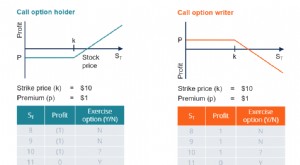
A stock option is a contract between two parties that gives the buyer the right to buy or sell underlying stocksStockWhat is a stock? An individual who owns stock in a company is called a shareholder ...
-
What is a Stock Loan?
A stock loan is a type of transaction that commonly occurs between two different stock brokers. This type of transaction is also known as a securities loan. Here are the basics of a stock loan a...