
Understanding Back-End Loads in Mutual Funds: A Comprehensive Guide
A back end load is a fee paid by investors who sell their mutual fund shares within a defined period. A financial intermediary collects this fee, and it is not a part of the regular operating expenses of the fund.
A back end load typically applies to class-B mutual fund shares that are sold within 5 to 10 years, depending on the defined period. Over the course of the defined period, this charge will decrease annually until the holding period is over. The fee is set at a certain percentage of the value of the share and gradually decreases each year of the holding period. If a mutual fund is not sold during the specified time frame, there is no fee.
-

Payback Period: Definition, Calculation & Significance in Finance
Table of Contents Expand What Is the Payback Period? Understanding the Payback Period Special Considerations Example of Payback Period What Is a Good Payback Period?
-
Understanding Lock-Up Periods: Hedge Funds & IPOs
What is a Lock-Up Period? A lock-up period is a window of time when investors are not allowed to redeem or sell shares of a particular investment. There are two main uses for lock-up periods, t
invest
- Nominal Fee Explained: What It Is and What It Covers
- Understanding Imports: A Guide to International Trade
- Understanding Settlement Periods in Securities Transactions
- Understanding Back-End Loads in Mutual Funds: A Comprehensive Guide
- EBITDA Explained: Definition & Financial Performance
- Program Trading: Definition, Mechanics & Applications | NYSE
- Understanding & Avoiding Advisor Fees in Mutual Funds
- Overdraft Fees: Understand Your Rights & How to Get Reimbursement
- Coinmama Fees & Cryptocurrency Trading Guide - 2024
-
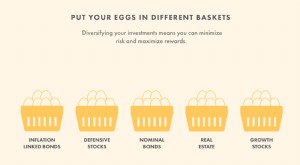 Alternative Investments: Definition, Types & Risks - A Comprehensive Guide
There are more investing options than just stocks and bonds. They’re called alternative investments. Here’s a handy guide to some alternative investments you could explore if you like to live on the e...
-
![Rule of 72: Calculate Investment Growth Quickly | [Your Brand]](https://www.etffin.com/article/uploadfiles/202110/2021101015173099_S.png) Rule of 72: Calculate Investment Growth Quickly | [Your Brand]
Rule of 72: Calculate Investment Growth Quickly | [Your Brand]It’s hard to determine whether a stock, bond, or other security is a good buy without knowing how much you can earn from holding it. But if you aren’t comfortable with math, you probably find it tedio...