
Art Investment: A Beginner's Guide to Building a Valuable Collection
Investing in art goes beyond finding and buying a pretty picture — it can be a strategic piece of your portfolio.
Art isn't a common investment that you can easily use the best investing apps to keep track of, but that doesn't mean it can't boost your bank account. Like many atypical assets, art requires more education and research than stocks and bonds.
We'll explore what you need to know and the steps to take before you can confidently invest in fine art.
Art might be an inflation hedge
guruXOX/Adobe

Many investors use fine art to get ahead financially during times of high inflation. Surprisingly, art has performed well over the years.
The Masterworks All Art index has returned 24% between 1973 and 1981 and 9.6% between 2010 and 2020 (though a Stanford study has cast some doubt that the numbers are quite that high).
It outperformed gold, which is traditionally also used as an inflation hedge, during both timeframes.
Limited edition prints can be an affordable way to get started
JackF/Adobe

Don't have the funds to shell out for an original piece? You can try limited edition prints if you still want to invest in art on a smaller budget.
These pieces come in a small set of duplicates, preserving the uniqueness and scarcity of the art piece while making it accessible to more people.
Art is a tangible asset but it does so much more
Africa Studio/Adobe

Though you probably shouldn't, you can touch art and hold it in your hand. The same can't be said for stocks, bonds, ETFs, and a myriad of other assets.
Art also has practical value, as it adds beauty, culture, social commentary, and so much more to the world.
Art can diversify your portfolio
kenchiro168/Adobe

Looking for a new type of asset to add more diversity to your holdings? Art isn't tethered to stocks, bonds, real estate, or other common asset classes, so it's a unique way to invest your money.
Art may provide impressive returns
Serhii/Adobe

According to the All Art Index, fine art has returned about 7.9% annually over the last 50 years — just under the 9.7% annual performance of the S&P; 500.
Not every piece will give the same return, just as each stock in an index will perform differently. But this trend shows that there is money to be made in art investing if you know what you're doing.
The advice of experts is invaluable
Seventyfour/Adobe

Even if you're a fine art fanatic, you're likely not tapped into the fine art world as an art consultant or critic would be.
By connecting with professionals in the art world, you can tap into their networks and expertise to find and evaluate the best pieces of art to invest in.
Fractional art shares exist
svetazi/Adobe
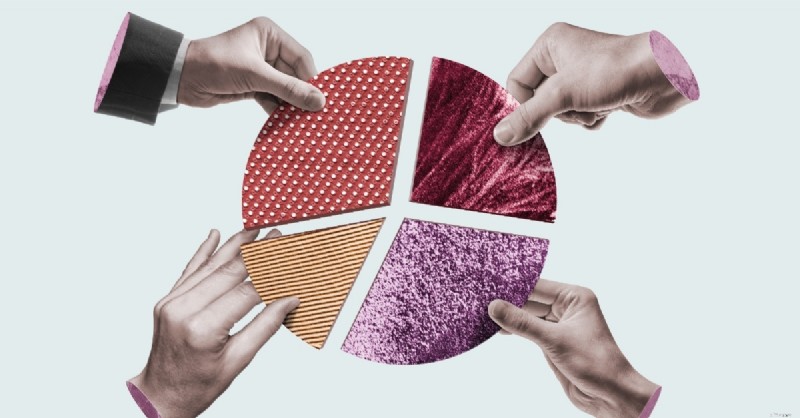
Just like stocks and mutual funds come in fractional shares, art does, too. This lowers the economic barrier to entry.
But it gets a little tricky because all the fractional shareholders are responsible for logistical decisions of how the art should be maintained and stored (as well as the costs) and whether it should be sold.
It helps to focus on a single medium
caftor/Adobe

The art world is so broad that you can't become an expert in everything. Select one style or medium of art (such as watercolors or bronze sculpture) to hone in on.
Art market indexes track demand and trends
insta_photos/Adobe
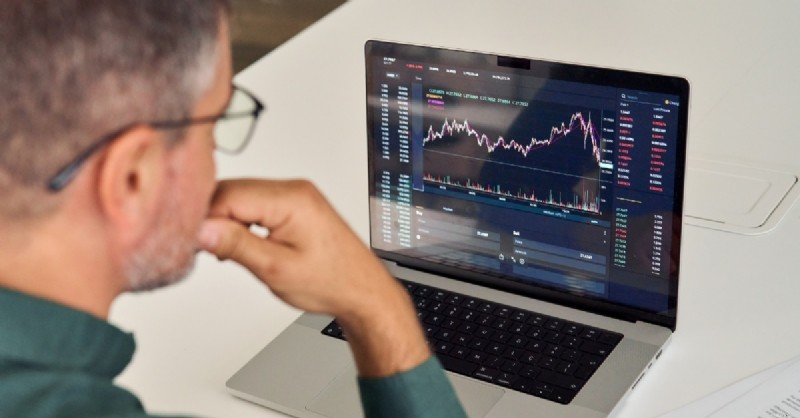
Like the S&P; 500 tracks the performance of stocks, some indices track how the art market is doing. These indices compile pricing data of art sales over time and can get granular enough to follow different types of art (such as impressionist or Chinese art).
While it's difficult to quantify the value of art as a whole since each piece is different, these databases can give investors insight into how different art market sectors are trending so they can make informed decisions.
Attend exhibitions and auctions
pressmaster/Adobe
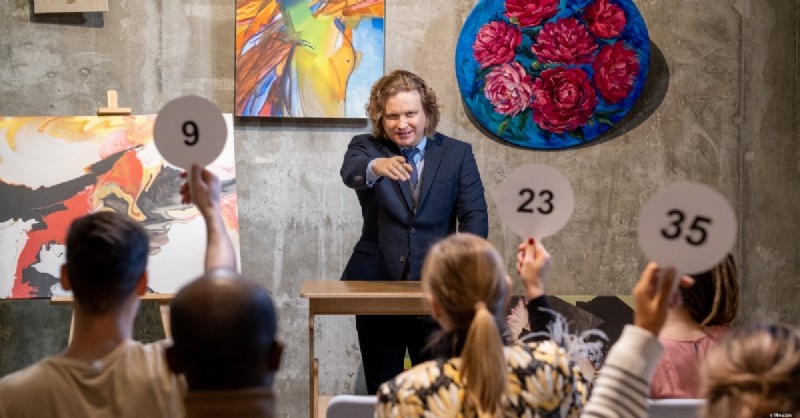
Even if you're not ready to buy, it's a good idea to get a pulse on the art investing world before you leap into it. In talking with artists, consultants, and other investors, you'll get an idea of the hot trends and how to capitalize on them.
Buy what you love
Iryna/Adobe

Unlike other assets, most investors purchase artwork because they have a passion for it. If you're buying a piece of art as an investment, you should also appreciate its display value.
Buy something you can admire for all the years you plan to hold it. After all, that's what it's for.
Consider who the other buyers are
Joaquin Corbalan/Adobe

If other well-renowned art investors own pieces by an artist you're looking at, that's a good sign. If the artist is well regarded and recognized in the art community, that reflects well on their pieces and gives them a better chance of appreciating.
Art can be risky
Pixel-Shot/Adobe

Like buying individual stocks, purchasing individual art pieces puts many eggs in a small basket. If you make a six-figure investment in a single asset, you're in a bad place if the value goes down.
Because art is an alternative asset, it should be an add-on to an already balanced portfolio.
You should probably insure your investment
Ljupco Smokovski/Adobe

Like real estate, art is a tangible asset that can be vulnerable to theft, time, and the elements of the natural world.
If you plan to treat your art as an investment, it's wise to use an insurance policy to protect that portion of your portfolio in case the worst should happen.
Buying art is a long-term play
AntonioDiaz/Adobe

Art isn't an asset that can easily be flipped to make a quick buck. If you plan on investing in art, keep your investment for the long haul. It's not easily liquidated, and selling art at an auction garners steep fees.
Moreover, styles and artists go in and out of fashion, so it's anyone's guess whether your investment will pay off in the short term.
Bottom line
Garnar/Adobe

While art investing isn't for everyone, if you have passion, patience, and strategic planning, it has the potential to build wealth and diversify your portfolio.
Remember, art is a long-term game requiring careful handling and a buy-and-hold approach.
If these considerations align with your goals and resources, the emotional connection and potential returns art offers can be rewarding.
We can help boost your earning potential even further!
Loading...
Confirming Subscription
Loading...
Thanks for Becoming an EXTRA Ultimate Subscriber!
Check your texts
Reminder: Check your inbox as well to confirm your EXTRA email subscription.
-
MasterCard: A Comprehensive Overview of Global Payments
MasterCard is a technology firm in the global electronic payment industry responsible for processing electronic payments, through its full range of payment programs and services. It partners with vari
-
Quick Ratio: Understanding Your Business's Short-Term Liquidity
The Quick Ratio, also known as the Acid-test or Liquidity ratio, measures the ability of a business to pay its short-term liabilities by having assets that are readily convertible into cashCash Equiva
invest
- Fidelity Review 2021: Comprehensive Analysis & Ratings
- July Stock Market Review: Earnings Surge Defies Trade Uncertainty
- Secure & Stable Short-Term Investments: Grow Your Money with Low Risk
- IRA Guide: Open an Individual Retirement Account & Maximize Savings
- Inverse & Short ETFs: A Comprehensive Guide for Investors
- Baseball Home Runs & Investing: What Women Really Value
- Understanding Stock Market Sectors: A Comprehensive Guide to the 11 Key Areas
- Momentum Investing: A Comprehensive Guide for Investors
- ETFs vs. Index Funds: A Comprehensive Comparison for Investors
-
 Wix Website Tutorial: Build Your Small Business Site - Step-by-Step
Never fear getting started building your website ...
-
 Entertainment Budgeting: How to Save & Enjoy Life
Creating and implementing a budget seem like arduous tasks if you think of them only as limiting your freedom to spend your hard earned money. A good budget starts with debts and living expenses, but ...