
FTSE 100 Trading Hours: A Complete Guide

The FTSE 100, which has regular trading hours on weekdays, is a stock index that includes the 100 largest companies listed on the London Stock Exchange, ranked by market capitalization. The index is managed by the FTSE Group, a wholly owned subsidiary of the London Stock Exchange Group.
Weekly Schedule
The regular trading hours are weekdays between 8 a.m. and 4:30 p.m. Greenwich Mean Time, which is 3 a.m. to 11:30 a.m. Eastern Standard Time. Before and after-hours trading is also available. The LSE is closed on major holidays.
The FTSE Group
The FTSE 100, sometimes called the "footsie," was originally a joint venture of the "Financial Times" newspaper and the LSE -- hence the name Financial Times Stock Exchange or FTSE. The FTSE Group manages many other indexes across asset classes, including fixed income, currency, commodities, and real estate as well as equities. The FTSE 250, for example, includes midcap companies trading on the LSE, and the FTSE Global Bond Index Series is a group of indexes for the fixed income market, including both government and corporate instruments.
-

Understanding Trading Halts: Causes & Implications
A trading halt refers to a temporary stoppage of equity trading in accord with regulatory authority or stock exchange rules. The stoppage may occur for a single stock, an exchange, or a group of excha
-
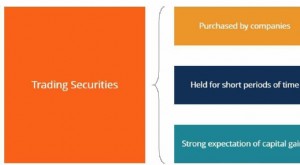
Trading Securities: Definition, Types & Short-Term Investment Strategies
Trading securities are securities purchased by a company for the purpose of realizing a short-term profit. Companies do not intend to hold such securities for a long period of time; thus, they will on
investing
- Understanding Bull, Bear, and Stag Markets: Investor Strategies Explained
- Understanding Stock Tiers: A Guide to Different Stock Levels
- Understanding Stock Exchange Trading Mechanisms: NYSE vs. NASDAQ
- Understanding Common Stock: Features, Benefits & Risks
- Understanding Corporate Stock Classes: Common vs. Preferred
- Top 5 Stocks for 2024: Expert Analysis & Investment Strategies
- Footsie (FTSE): Understanding the UK's Leading Stock Index
- Top Stock Trading Software: Reviews & Comparison - [Year]
- Safest Investment Strategies: Minimizing Risk in the Stock Market
-
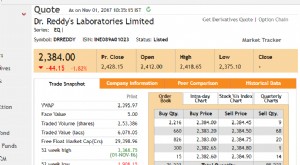 Understanding Stock Tickers: A Comprehensive Guide
A ticker is a symbol, a unique combination of letters and numbers that represent a particular stockStockWhat is a stock? An individual who owns stock in a company is called a shareholder and is eligib...
-
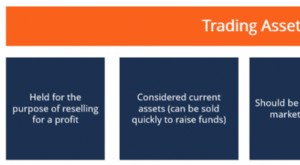 Trading Assets: Definition, Types & How They Work
Trading assets are securities that firms hold to resell for profit, rather than holding them for investment. They include different account components from the investment portfolio. Trading...