
Understanding Annual Reports: Key Components & Financial Insights

The annual report is a financial document published by most private and public companies to summarize the major transactions of the year. The report usually begins with a letter from the Chairman of the Board and/or the Chief Executive Officer. It also includes the balance sheet, income statement and the cash flow statement as well as a discussion of company affairs and notes to the financial statements.
Letter From Management
The annual report, in addition to providing full disclosure financial statements, is also intended as a way for management to communicate with current shareholders. Most annual reports will have a letter from either the Chairman of the Board of Directors or the Chief Executive Officer. This letter provides a brief summary of company operations.
Management Discussion and Analysis
In addition to a letter from the Chairman or the CEO, executive management will also provide a detailed summary of financial operations. The summary provides information about asset sales, revenue growth, operating expenses and net income. It will also include information about the cash flow statement, including changes from the previous reporting cycle.
Financial Statements
There are three financial statements that are published within the annual report: the income statement, the balance sheet and the cash flow statement. The income statement provides an overview of company earnings, starting with total sales and then each expense related to sales or operations. The balance sheet provides a snapshot of company assets and liabilities, and the cash flow statement offers information about the sources and uses of cash in operations.
Notes to the Financial Statements
Immediately following the financial statements are the notes to the financial statements. The notes provide additional information about each financial statement. For instance, the notes to the income statement provide information about the type of sales made. The notes to the balance sheet may provide information about debt issuance or capitalized leases, and the notes to the cash flow statement may provide information about cash taxes paid.
-
Financial Statement Analysis: Pros, Cons & Key Statements
There are three main financial statements investors analyze. They are the balance sheet, income statement and the cash flow statement. The balance sheet is a snapshot in time. It shows all the assets
-

Decoding Annual Reports: A Guide for Investors
A companys annual report is the single most important way for potential investors to understand the financial state of a company. A company annual report is also a marketing tool designed to attract
investing
- Understanding Joint Financial Statements: A Comprehensive Guide
- Understanding Financial Statement Analysis: Income Statement, Balance Sheet & Cash Flow
- Understanding Annual Reports: Key Uses & Financial Insights
- Annual Report Structure: A Guide for Investors & Businesses
- Understanding Financial Statements: A Comprehensive Guide
- Key Components of a Comprehensive Financial Plan
- Personal Financial Statements: A Guide for Individuals
- Financial Statement Analysis: A Comprehensive Guide for Beginners & Professionals
- Understanding the Key Components of a 10K Report
-
 Annual Reports: A Comprehensive Guide for Investors
An annual report is a comprehensive report detailing a company’s activities throughout the preceding year. Its purpose is to provide users, such as shareholdersShareholderA shareholder can be a ...
-
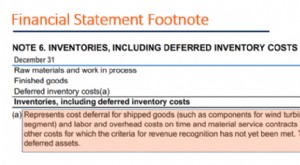 Understanding Financial Statement Footnotes: A Comprehensive Guide
Financial statement footnotes are used as additional information to individuals reading a financial statement. Otherwise known as explanatory notes or notes to the financial statements, the footnotes ...