
Navigating Rising Costs of Living: Financial Strategies for Homeowners
Improve your money smarts with small changes that lead to big gains.
The Cost of Living is Increasing – How to Protect Yourself from Inevitable Higher Costs of Living
Q: We bought our first home a few years ago when interest rates were low. Both of us had good incomes so we spent as much as the bank would give us. Now I work part-time to minimize our daycare costs; we owe money on our line of credit for renovations, we have car loans, a student loan and credit card debt. I keep hearing that interest rates will go up and I’m worried. What can we do to protect ourselves?
A: In the excitement of buying a first home, many people spend more time deciding on paint colours than on establishing a contingency plan for when their circumstances will change. A mortgage is a long-term commitment, and as the years go by, the chances that your circumstances will change increases with time. While low interest rates are great when first committing to a mortgage, you need to prepare yourself for the reality that interest rates will rise.
Deal with Your Line of Credit and Credit Cards
You likely still have a bit of time before your mortgage payments will actually increase, so now is a great time to stop worrying and start planning for the inevitable. Interest rate increases affect variable rate loans first. This means that your line of credit payment will go up before your mortgage payment does. If you depend on your line of credit to pay your credit cards off each month, put your credit cards away so that you don’t get yourself deeper into debt.
Balance Your Spending with Your Income
Next, outline your budget, including all of your income and your monthly and annual expenses. The long-term consequences and significant cost of spending more than you earn is not sustainable. The cost of living for most people has been slowly creeping up these past few years and that will likely continue. Relying on your credit cards to make ends meet will only cause you more stress when your mortgage payments go up as well.
Reduce Non-Essential Expenses and Look into Refinancing
Consider what’s important to you and your family and then look for ways to cut back on discretionary expenses. Once your budget is balanced and you aren’t getting deeper into debt, consider if refinancing your mortgage might be worthwhile. Committing to a five year term at a fixed, low rate would give you peace of mind and make it easier to plan ahead.
A realistic budget that lets you live within your means, manage and pay down your non-mortgage debt, may be the difference between affording your home or being forced to sell.
<< Back to the Blog main page
Looking to get back on track?
Get started today by making an appointment to speak with one of our credit counsellors. We’re happy to answer your questions and help you. All of our appointments are free, confidential, and non-judgmental.
Related Articles
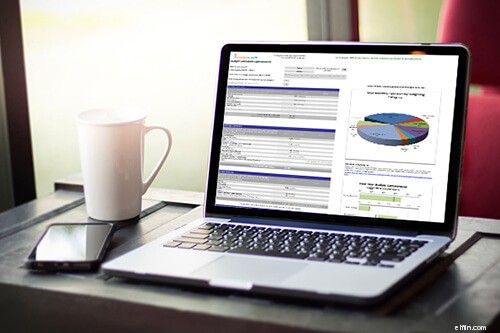
Budgeting Guidelines
A breakdown of categories for your budget and how much to spend on each type of expense.

Track Your Spending
An essential part of building a budget is tracking how much you actually spend. Here’s how.

Get Out of Debt
Are you wondering about the best or fastest way to get out of debt? Here are 12 top tips.
-
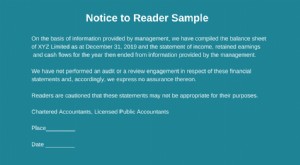
CPA vs. CFA: Understanding the Differences & Choosing the Right Finance Designation
The notice to reader report is a compilation of financial statements using financial data provided by the management. The report is prepared by an external chartered accountantCPA vs CFA®When cons
-

Russian Minister Criticizes Bitcoin Investments as High-Risk
The Russian Opinion Opinion is widely divided the world over on what to do with Bitcoin and its cohorts of cryptocurrencies. Just a few days when it was widely reported that the Russian governm
Personal finance
- Grocery Spending Tops Americans' Monthly Expenses | Personal Capital
- Permanent Child Tax Credit: Update on Potential $300 Monthly Payments for Parents
- College Savings Strategies: Top 5 Ways to Reduce Expenses
- Hiring Bonuses: How Companies Combat Labor Shortages
- US Unemployment Rate Falls to Lowest Point Since March 2020 - November Report
- Navigating Unemployment: Financial Strategies for Job Seekers
- Unemployment Benefits Reduced? Understand Your Options & Next Steps
- The Happiness Advantage of Having Choices: How Options Boost Well-being
- Free California State Park Access with Your Library Card: A Guide
-
 Break the Shopping Habit: 9 Proven Strategies for Financial Control
spre If you have a feeling that you are shopping too much, you aren’t alone. Many people look at their spending habits and decide that more money should be staying put in...
-
 Understanding Value-Added Monthly Indices (VAMI): A Comprehensive Guide
A value-added monthly index (VAMI) is a type of index used by investors to measure the performance of an investment based on a hypothetical $1,000 investment over a period of time. Also, the VAMI is u...