
Letters Testamentary: Understanding the Probate Process

Letters testamentary are sometimes known as letters of administration. Obtaining letters testamentary is one of the first steps of the probate process. Probate proceedings usually begin with a custodian or an executor of a will admitting the will to a probate court. Once the will is admitted, a probate judge analyzes it to ensure it is valid. Upon an acknowledgment of validity, a decedent's estate is then distributed pursuant to the provisions found in her will.
Letters Testamentary
Probate proceedings usually begin with an executor or personal representative seeking to obtain letters testamentary from the probate court. Letters testamentary, also known as letters probate or letters of administration, are issued by a probate court to a personal representative or executor. Letters testamentary grant an executor or personal representative the legal authority to administer a decedent's estate. In some states, a probate bond is required before letters testamentary are issued.
Probate Bond
Many probate courts require a probate bond before issuing letters testamentary. Probate bonds give heirs to an estate protection from a personal representative/executor against negligence, fraud, theft or misrepresentation. Probate bonds have various names. If an executor was named in the deceased person's will, the bond is called a probate bond. The bond is known as an administrator's bond when there is no will and probate court must appoint an administrator. The amount of a probate bond may be issued by the probate court or specified in a decedent's will.
Personal Representative's Duties
Once a personal representative receives her letters testamentary, she may begin administering the decedent's estate. This involves sending notice to the deceased person's creditors and paying creditor's claims. Personal representatives frequently deal with the deceased person's bank and/or other financial institutions when settling debts. After all debts are settled, the remaining property and assets are distributed to heirs.
Other Considerations
It is common for banks, government agencies and other financial institutions to require a copy of an executor's letters testamentary before recognizing an executor's authority to act on behalf of a decedent's estate. If required, an executor typically must present a certified copy of his letters testamentary to the decedent's financial institutions. Once accepted, the executor may then access the decedent's accounts and assets.
-

Understanding Earnings: A Guide to Financial Profitability
Earnings refer to the income that an individual or organization gains during a certain period. They can be found on a company’s income statement and are used to measure the profitability of that
-
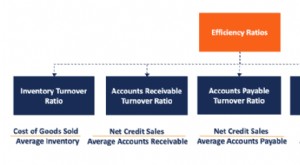
Understanding Efficiency Ratios: A Key to Business Performance
Efficiency ratios are metrics that are used in analyzing a company’s ability to effectively employ its resources, such as capital and assets, to produce income. The ratios serve as a comparison
retirement
- Informal Probate: A Simplified Guide to Estate Administration
- Understanding Financial Barriers: How Costs Impact Your Lifestyle
- Loans Receivable: Understanding and Analyzing Your Balance Sheet
- Understanding Royalty Checks: A Comprehensive Guide
- Understanding Duplicate Checks: Security & Convenience
- Mutual Funds: A Beginner's Guide to Diversified Investing
- Understanding Notice of Probate: Executor Responsibilities & Requirements
- Debt Validation Letters: Protect Your Rights & Understand the Process
- Cultivating Awareness: The Key to Personal Growth & Success
-
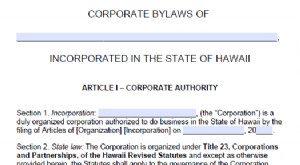 Understanding Company Bylaws: A Comprehensive Guide
Company bylaws are the rules that govern how a company is run and one of the first items to be established by the board of directorsBoard of DirectorsA board of directors is a panel of people elected ...
-
 Corporate Bonds: A Comprehensive Guide to Investing
Corporate bonds are issued by corporationsCorporationA corporation is a legal entity created by individuals, stockholders, or shareholders, with the purpose of operating for profit. Corporations are a...