
Understanding Pension Benefit Calculations: Defined Benefit vs. Defined Contribution
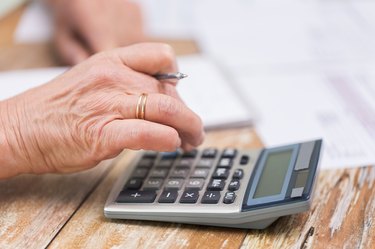
The method of calculating pension benefits depends on whether your pension is a defined-benefit or a defined-contribution plan. A defined-benefit plan uses an established formula, which is the same for everyone in the plan. Calculating pension benefits for a defined-contribution plan is more complex and requires more planning, mainly because you don't know what interest rates will be in the future. The calculation will involve making several assumptions regarding the interest rates, size of contributions, and number of years of contributions.
Step 1
Review the information provided by your pension plan for calculating retirement benefits. If you have questions or do not understand the formula used by the plan, contact your plan's service providers to obtain additional information.
Step 2
Determine the average salary amount for the calculation. The formula usually will call for an average of the three highest-paid years for the period of time in which you have been a member of the plan. Check with your service provider for the specific formula of highest years--it could be more than three.
Step 3
Add the years together and divide by three to get the average. For example, if year 1 is $40,000, year 2 is $42,000 and year 3 is $44,000, the total for all three years is $126,000. If you divide this number by 3, the average is $42,000.
Step 4
Multiply the average salary by the percentage factor for the plan -- for example 0.02 percent if you have worked 30 years (the percentage will vary by number of years worked). In this calculation, $42,000 is multiplied by 0.02 for a total of $840.
Step 5
Multiply the results of step three by the number of years you worked and contributed to the pension plan -- for example 30 years. The calculation is $840 multiplied by 30, which will pay out $25,200 annually. Divide the annual pension amount by 12 to get the monthly pre-tax amount: $25,200/12 = $2,100.
Step 6
Use the monthly amount to plan retirement finances. Estimate your tax liability to determine estimated net payment. (Tax rules on pensions vary by state, and federal pensions also have their own rules.) Then estimate what your monthly expenses will be to determine how much additional money you will need each month. These estimates will help determine how much you need to save for retirement.
Step 7
Use the estimates in step four to determine life, health and disability insurance needs and to plan your estate.
Step 8
Calculate your benefits periodically for financial and retirement-planning purposes. This can help you determine how much life insurance you need and/or disability insurance when planning for your and your family's future.
-

Minnesota Unemployment Benefits: Calculating Your Eligibility & Amount
Determining the Base Benefit Year Minnesota unemployment benefit amounts are based on the applicant's gross wages earned in the last 52 weeks. This includes gross wages from all employers d
-
Understanding Pension Vesting: A Guide to Claiming Your Benefits
If you want to secure your pension plans, then you might consider taking out one of two vesting options. These are designed to give you money on your pension benefits, without forcing you to wai
retirement
- Calculate Your Potential Welfare Benefits: A State-by-State Guide
- How to Calculate Unemployment in Texas
- Understanding Pensions: How They Work & Benefit Calculations
- Ohio Unemployment Benefits Calculator: Estimate Your Payout
- Divorce & Pensions: Understanding & Valuing Your Retirement Benefits
- Transferring Pension to RRSP: A Comprehensive Guide for Canadians
- Understanding Your Postal Retirement: A Guide to FERS & Benefits
- Federal Retirement Pay: A Comprehensive Calculation Guide
- Teacher Pension Calculation: Understand Your Retirement Benefits
-
 Lump Sum Pension Buyout Calculation: A Step-by-Step Guide
Some pensions allow the owner to either take a large lump sum at the beginning of the retirement or receive equal annual payments. Using present value of an annuity table, it is possible to calculate ...
-
Ensuring Your Retirement Security: Assessing Pension Safety
A pension is the money you get each month after your retirement. The amount is usually a factor of what you have earned over the year, and is determined by the salary you drew when you...