
Understanding Stock Warrants: A Comprehensive Guide
Stock warrants are similar to options because they give an investor the option to purchase a share of stock at a given price at some point in the future. The true difference between a warrant and an option is the issuer. An option is issued by the market exchange; a warrant is issued by the company offering the stock.
Why Offer Warrants?
Companies offer warrants on their shares when they want to boost investor confidence. They are predicting the value of their stock will go up; if it does, then investors will have greater confidence in the stock in the future. For this reason, warrants are often issued at the same time a company issues a new stock.
Why Buy Warrants?
As an investor, you have the opportunity to earn a very high return on investment with warrants. Warrants are high risk, high reward certificates that are transferable and sellable. This makes them very flexible, and they can be attractive to investors. They are popular with hedge funds and strategists as well.
How do you exercise a stock warrant?
A stock warrant is always issued with an exercise date and price. American warrants can be exercised any time before the exercise date at the exercise price. With European warrants, you can only exercise the warrant on the exact exercise date. When you exercise a warrant, you can notify your broker or the issuing company with either your put or call order. Warrants are issued directly by companies. As a result, when you exercise the document, the company will be the one that issues you the shares directly.
-

Stock Dividends: Definition, Types & How They Work
A stock dividend, a method used by companies to distribute wealth to shareholders, is a dividend payment made in the form of shares rather than cash. Stock dividends are primarily issued in lieu of ca
-
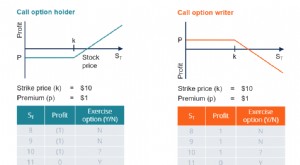
What is a Stock Option?
A stock option is a contract between two parties that gives the buyer the right to buy or sell underlying stocksStockWhat is a stock? An individual who owns stock in a company is called a shareholder
Stock basis
- Understanding Common Stock: Features, Benefits & Risks
- Understanding Domestic Stocks: A Guide for Investors
- Bonds vs. Stocks: A Comprehensive Guide for Investors
- Understanding Stock Promoters: How They Influence Investment
- Value Stocks Explained: Investing in Undervalued Companies
- Understanding Ordinary Shares: A Beginner's Guide to Common Stock
- Restricted Stock Units (RSUs): A Comprehensive Guide
- Stocks Explained: A Beginner's Guide to Investing
- Stock Options Explained: A Beginner's Guide to Understanding Equity Contracts
-
 Restricted Stock: Definition, Types & How It Works
Restricted stock refers to an award of stock to a person that is subject to conditions that must be met before the stockholderStockholders EquityStockholders Equity (also known as Shareholders Equity)...
-
 Understanding Stocks: A Beginner's Guide to Share Ownership
When a person owns stock in a company, the individual is called a shareholder and is eligible to claim part of the company’s residual assets and earnings (should the company ever have to dissolv...