
Direct Investment Company Business Models: Trends & Strategies
Direct investment companies offer their stock directly to investors without the use of a broker. In most cases, this is offered to partial owners or share holders who work for the company and receive stock as part of a compensation package. Direct investments companies tend to follow a few similar trends in their business models.
Private Companies
Most direct investment companies are privately held. Publicly traded companies are subject to regulation by the SEC and other financial authorities, which typically require a licensed broker overseas the exchange of shares. Mutual funds, hedge funds or private equity groups with monies in excess of $100M may purchase stocks without the same level of advisement from a broker as they are considered institutional investors. All others are typically required to go through a broker.
Seek Investors Rather than Loans
Direct investment companies rarely go to loans when they need funds. Rather, they offer the opportunity for direct equity investment from another person. If that person is located out of the country, the practice is commonly called overseas direct investment. In all cases, the shares are bought without a broker and an exchange of equity takes place.
-

Greenfield Investment: Definition, Advantages & Examples
In economics, a greenfield investment (GI) refers to a type of foreign direct investment (FDI)Foreign Direct Investment (FDI)Foreign direct investment (FDI) is an investment from a party in one countr
-
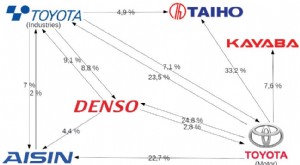
Understanding Keiretsu: Japan's Network of Interconnected Companies
Keiretsu is an interconnected network of companies characterized by strong alliances and cross-shareholding that originated from Japan and dominated the economy during the last half of the 20th centur
Stock basis
- Foreign Direct Investment (FDI): Benefits & Strategic Importance
- Business Banking: Services, Accounts & Loans Explained
- Direct Deposit: Definition, Benefits & How It Works
- Understanding Insolvency: Definition, Causes & Consequences
- AIM Explained: Investing in High-Growth Companies on the London Stock Exchange
- Understanding Financial Investment Companies: Roles & How They Work
- Investment Company Definition: Understanding IRS Requirements & Types
- Pure Play Stocks: Definition & Investment Strategy
- Accountant vs. Bookkeeper: Choosing the Right Financial Expert for Your Business
-
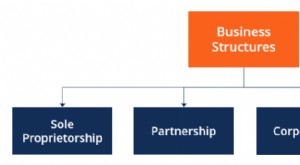 Understanding Business Structures: A Comprehensive Guide
Business structure refers to the legal structure of an organization that is recognized in a given jurisdiction. An organization’s legal structure is a key determinant of the activities that it c...
-
 Understanding Business Entities: Types & Legal Structures
An entity is an organization created by one or more individuals to carry out the functions of a business, and that maintains a separate legal existence for tax purposesAccounting For Income TaxesIncom...