
Cash Budgeting: Benefits and How to Stay on Track
Cash budgeting is a system that many individuals have used successfully in order to stick to a tighter financial budget. This is a system in which you withdraw cash every so often and then use the cash to pay for things. Once the cash is gone, you cannot buy anything else until the next period. Here are some of the advantages of this system.
Easy to Stick to
One of the biggest advantages of this system is that it is fairly simple to stick with. Once you take your cash out, you leave all of your debit cards and credit cards at home. Then, when you go out, the only way that you can pay for anything is with cash. Once you run out of cash, you will no longer have to worry about overspending.
Financial Awareness
Another benefit of this system is that it promotes financial awareness. When you utilize cash, you have to sit down and think about how much you want to allocate to every purchase. Every time that you spend with cash, it will be much more difficult to part with it than simply swiping a debit card or a credit card.
-

Understanding the Shadow Banking System: Definition & Key Features
The shadow banking system is the broad collection of financial institutions and financial markets Financial MarketsFinancial markets, from the name itself, are a type of marketplace that provides
-
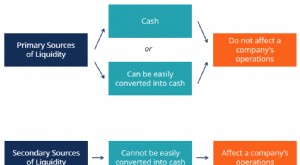
Understanding Corporate Liquidity: Sources and Types
For a company, its sources of liquidity are all the resources that can be used to generate cash. There are generally two major classes of sources of liquidity for a company:The primary sources of liqu
budget
- Cash Budget: Benefits & How to Limit Expenses - [Year]
- Benefits of a Bank Account: Security, Convenience & Financial Growth
- Benefits of Using Checks: Convenience, Security & Record Keeping
- Understanding Asset Types: A Comprehensive Guide
- Line Item Budgeting: Benefits & Advantages Explained
- Envelope Budgeting: Benefits & How to Achieve Financial Control
- Activity-Based Budgeting: Drawbacks and Challenges
- Unlock Financial Freedom: The Benefits of Home Budgeting
- Quinn-CO Budgeting System: A Simple Guide
-
 Capital Budgeting: A Comprehensive Guide for Business Leaders
Capital budgeting refers to the decision-making process that companies follow with regard to which capital-intensive projects they should pursue. Such capital-intensive projects could be anything from...
-
 Cash Reserves: Definition, Benefits & Short-Term Needs
Cash reserves are funds that companies set aside for use in emergency situations. The cash that is saved is used to cover costs or expenses that are unplanned or unexpected. In most cases, the reserve...