
Liability for Forged Checks: Who Pays the Price?
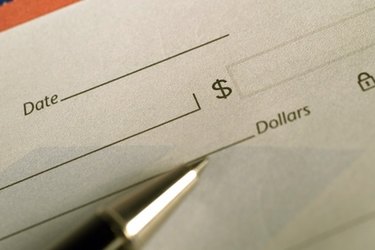
Computer technology has made it easier than ever to create fraudulent bank instruments. Forged and counterfeit checks cause significant losses to banks and their customers. However, it is not always clear who is ultimately liable for these losses.
The Forger
The person who forged the check is always liable to the account holder and the bank for conversion (or taking what is not yours), fraud and other causes of action. Unfortunately, by the time the forgery is discovered, the forger is usually long gone, leaving the bank and the customer to fight it out.
The Bank
A bank's liability for a forged check arises because it maintains your signature in its records and is therefore in the best position to verify the signature's accuracy and prevent the fraud. Under the Uniform Commercial Code (UCC) adopted by most states, a bank may only charge you for checks that are "properly payable," which a forged check is not. This creates potential liability for a bank if it charges you for a forged check. However, this liability may be shifted to you under certain circumstances.
The Customer
If the forgery was caused by the customer's negligence, the bank may deny liability. When you receive a monthly bank statement, you are responsible for carefully reviewing the checks listed and promptly notifying the bank of any discrepancies (usually within 30 days, sometimes less). If you fail to do so, the bank may not allow you to recover the funds.
Shifting Liabilities
Even if you failed to review your bank statements in time, you may recover the funds if you can show that the bank was negligent in paying the forged check. In some cases, you and the bank may share the loss. If you prove that the bank did not pay the item in good faith, the bank is liable. However, even if the bank is at fault, if you do not report a forgery within one year after the bank statement, you cannot recover anything from the bank.
Prevention
The best defense against check forgery is to be vigilant. Keep track of your checks and review bank statements. Even if you do not balance you checkbook, review the checks. If you see anything that looks unusual, alert your bank immediately.
-
Bank Loan Application Requirements: A Comprehensive Guide
Personal loan applications from a bank can be difficult to attain, but are fairly straightforward if you do a little preparation and research prior to submitting your application. Prepare for your per
-
Print Checks at Home: A Comprehensive Guide
Printing checks at home is cost-effective and convenient if you would like to avoid the expense and time involved in ordering them from your bank or a printing company. The check-printing process requ
budgeting
- Michigan Bridge Card: Eligibility & Benefits for Low-Income Residents
- Stop Payment on Checks Cashed: Who's Responsible?
- Understanding Returned Checks: A Step-by-Step Guide
- Counter Checks at Banks: What You Need to Know
- Bank SWOT Analysis: Strengths, Weaknesses, Opportunities & Threats
- Fraudulent Bank Account Withdrawals: Your Rights & Recovery
- Understanding Checks: Essential Information & Requirements
- Ordering Checks for Your Checking Account: A Comprehensive Guide
- Josef Ackermann: Biography & Career Highlights | Deutsche Bank & Beyond
-
 Chase Bank Checks: Ordering Online & Benefits
When you need to order Chase Bank checks for your savings or checking account, you can access the option through the Chase online banking portal. The bank partners with the check supplier named Deluxe...
-
 Opening a Bank Account for a Minor: A Step-by-Step Guide
In many circumstances, opening a bank account as a minor involves the help of an adult. It's a simple process, and there are several choices. Step 1 Check state laws by callin...