
Chip & PIN vs. Magnetic Stripe Cards: Security & Differences Explained
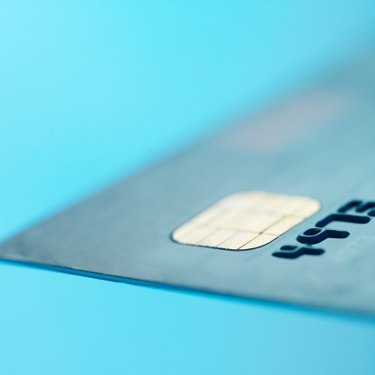
Chip-and-PIN cards are debit or credit cards that integrate a small microchip on the front of the card. This chip allows the user to set a four-digit PIN number for the card. Chip-and-PIN cards are thought to be more secure than regular credit cards, since no signature verification is required.
Magnetic Stripe
The magnetic stripe on regular credit cards contains all the sensitive information on the card, while chip-and-PIN cards encode that information on a small microchip. Chip-and-PIN cards are generally more secure than credit cards that rely on signature verification, since chip-and-PIN cards keep many account details from the retailer's view.
Pin Transactions
Chip-and-PIN cards require a pin number to be associated with card to verify purchases -- just like a bank cash card. With a chip-and-PIN card, an in-store transaction is processed slightly differently than those made with magnetic stripe cards. A chip-and-PIN card is usually inserted into the credit terminal instead of swiped. The shopper then enters her PIN instead of signing a receipt to verify the charge.
Compatibility
Chip-and-PIN networks around the world vary in levels of compatibility. Chip-and-PIN cards from Europe can only be processed in some countries if the card also can be verified by swiping the magnetic stripe. Many card issuers use a hybrid chip and pin card for this reason. The chip-and-PIN card can still offer greater security in compatible areas, while the stripe can be used like a conventional card in incompatible areas.
Other Differences
Because chip-and-PIN cards are more secure in the way they process information, card issuers consider transactions approved with a PIN far less likely to be fraudulent. For this reason, it can be more complicated to dispute fraudulent charges, should someone charge your card and know your pin.
-

Liability vs. Collision Insurance: Understanding Your Auto Coverage
Prudent motorists evaluate insurance policies based on individual circumstances when choosing the types and amounts of automobile insurance needed. Understanding the terms associated with auto insuran
-

Prepaid Cards vs. Gift Cards: Key Differences & Which is Right for You
Prepaid Cards vs. Gift Cards: An Overview Prepaid cards and gift cards are both pieces of plastic that can be used to make purchases. They make popular presents as well: A versatile way to give
credit card
- Credit Card PINs: Do They Exist & How Are They Used?
- Credit Card vs. Supplementary Card: Understanding the Difference
- Platinum vs. Titanium Credit Cards: Key Differences & Benefits
- Credit Card vs. Smart Card: Key Differences Explained
- Chip & PIN vs. Swipe: Understanding Credit Card Security
- Debit Card vs. Credit Card: Key Differences Explained
- Difference Between Secured and Unsecured Credit Cards
- Credit Card Networks vs. Issuers: Understanding the Key Differences
- Credit Card vs. Debit Card: Understanding the Key Differences
-
How to Transfer Funds Between Green Dot and NetSpend
Introduction Moving money between your Green Dot and Netspend prepaid cards can be done in person or online. Free options include setting up a bank-to-bank transfer with either card directly or...
-
Traditional vs. Roth IRA: Understanding the Key Differences
Individual retirement accounts are classified in different ways for tax-recording purposes. Understand that the IRA is a tax-sheltered structure. It can hold funds already contributed into other retir...