
Asymmetric Information: Definition, Examples & Implications
Asymmetric information is, just as the term suggests, unequal, disproportionate, or lopsided information. It is typically used in reference to some type of business dealBusiness DealA business deal refers to a mutual agreement or communication between two or more parties who want to do business. The deal is usually carried out between a seller and a buyer to exchange items of value such as goods, services, information, and money. or financial arrangement where one party possesses more, or more detailed, information than the other.
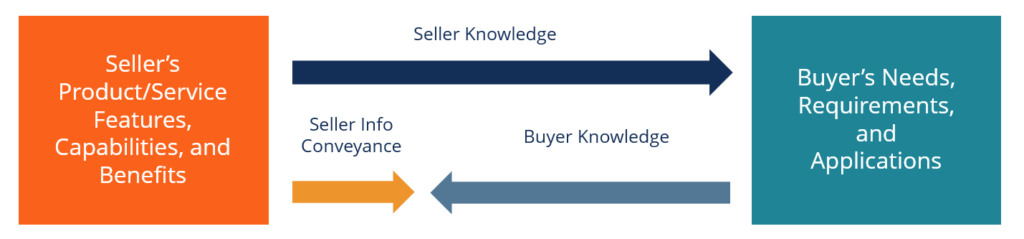
The issue with asymmetric information starts before any transaction takes place. Typically, one party possesses more information than the other before entering into the transaction in the first place, often with the intent to get a better deal than is due. Consider, for example, the sale of a used car. The individual or dealership selling the car typically knows more about the vehicle than they pass along to the buyer.
The Issue of Moral Hazard
One example of asymmetric information, in the broader economic sense, relates to moral hazardMoral HazardMoral hazard refers to the situation that arises when an individual has the chance to take advantage of a deal or situation, knowing that all the risks and. By definition, moral hazard is fundamentally based on asymmetric information. In a moral hazard situation, a party that is entering into an arrangement of some type (often involving insuranceCommercial Insurance BrokerA commercial insurance broker is an individual tasked with acting as an intermediary between insurance providers and customers.) knows that their actions will be covered by the other party. Thus, they don’t necessarily concern themselves with how risky the situation is, or are encouraged to take risks merely by knowing that they won’t suffer any potential consequences.
Asymmetric Information in the Financial World
Asymmetric information examples are everywhere. In the financial world, consider a situation where a lending institutionTop Banks in the USAAccording to the US Federal Deposit Insurance Corporation, there were 6,799 FDIC-insured commercial banks in the USA as of February 2014. enters into an agreement with a borrower. The lender establishes the terms and agreements that the borrower must stipulate to, and, usually, background checks are done.
However, the borrower may not accurately explain what they are borrowing the money for and may use it in a way that involves a level of risk that – had the lender been aware of it – would likely have led the lender to decline making the loan. The lender may end up with a loan that isn’t repaid on time or isn’t paid back at all. Such a situation can result in far-reaching consequences if the loss is so great that the lender is forced to charge higher interest rates to other borrowers to make up for the loss.
The ideal situation for any agreement or deal is one of perfectly symmetrical information, where each party has the same information, and both parties have all the information relevant to the transaction. That way, both parties can enter into the deal with confidence and reap from it what they expect.
Asymmetric information exists virtually everywhere, making flawless business agreements and transactions almost impossible to come by. In the best cases, asymmetric information causes some hurdles but leaves both parties relatively unscathed. At its worst, asymmetric information can cause severe financial hardship to one party and lead to broken agreements and failed deals.
Information Asymmetry Outside of Economics
Asymmetric information exists outside of economics as well. Disproportional information can exist in all facets of life, but one common place where it can be found is within international relations and politics.
The leaders of countries consistently meet to make trade agreements and to establish alliances. Asymmetric information in such situations can lead to an unfair benefit for one nation over another. In extreme cases, war can ultimately break out because of asymmetric knowledge by one party or another. And in such cases, the winning side or the side that gains the right to dictate the terms of surrender is the side that holds more information or better information about their own troops and the strategies of the opposing side.
Related Readings
Thanks for reading CFI’s explanation of asymmetric information. CFI offers the Financial Modeling & Valuation Analyst (FMVA)™Become a Certified Financial Modeling & Valuation Analyst (FMVA)®CFI's Financial Modeling and Valuation Analyst (FMVA)® certification will help you gain the confidence you need in your finance career. Enroll today! certification program for those looking to take their careers to the next level. To keep learning and advancing your career, the following CFI resources will be helpful:
- Due DiligenceDue DiligenceDue diligence is a process of verification, investigation, or audit of a potential deal or investment opportunity to confirm all relevant facts and financial information, and to verify anything else that was brought up during an M&A deal or investment process. Due diligence is completed before a deal closes.
- Mosaic TheoryMosaic TheoryMosaic theory is an approach to financial security analysis that involves the analysis of a variety of resources, including public and non-public material and non-material information, to determine the underlying value of a security.The theory provides a more comprehensive and meticulous approach to the valuation of financial securities
- Public Company FilingsPublic Company FilingsPublic company filings are an important source of data and information for financial analysts. Knowing where to find this information is a critical first step in performing financial analysis and financial modeling. This guide will outline the most common sources of public company filings.
- Qualitative Characteristics of Accounting InformationQualitative Characteristics of Accounting InformationThe demand for accounting information by investors, lenders, creditors, etc., creates fundamental qualitative characteristics that are
-

Understanding ECOA Credit Report Codes: What They Mean
What Do ECOA Codes Mean on Credit Reports? The Equal Credit Opportunity Act is a federal law that prohibits lenders from using discriminatory practices when dealing with current and potential
-

Social Security Retirement Requirements: What You Need to Know
Retirement Image Gallery If you want to claim Social Security benefits, youll need a few crucial pieces of information. See more retirement pictures. In the depths of the Great Depression, Presiden
finance
- Understanding North Carolina's EIS Number: Eligibility Information System
- Chinese Walls in Finance: Understanding Information Barriers
- Understanding Financial Disclosure: A Comprehensive Guide
- Information Ratio: A Comprehensive Guide to Risk-Adjusted Returns
- Understanding Material Non-Public Information (MNPI)
- Mosaic Theory: A Comprehensive Approach to Security Valuation
- FINRA BrokerCheck: Research Brokers & Investment Professionals
- Insider Information: Definition, Examples & Legal Implications
- Understanding Stock Market Signaling: Insider Information Explained
-
 Enterprise Resource Planning (ERP): A Comprehensive Guide
Enterprise resource planning – more commonly referred to as ERP – is a software system used to manage and maintain the functions of a businessBusiness OperationsBusiness operations refer t...
-
 The Power of Focus: Stoic Wisdom for a Distracted World
The following quote is 2000 years old. But it seems like it’s about today’s world: “Most of what passes for legitimate entertainment is inferior or foolish and only caters to or exploits people’s weak...