
Fidelity Bonds: Protection Against Employee Dishonesty & Fraud
Fidelity bonds are designed to protect their policyholders from any loss that occurs as a result of harmful or deceitful actions by specifically indicated parties. In most cases, fidelity bonds are used to protect corporationsCorporationA corporation is a legal entity created by individuals, stockholders, or shareholders, with the purpose of operating for profit. Corporations are allowed to enter into contracts, sue and be sued, own assets, remit federal and state taxes, and borrow money from financial institutions. from the actions of dishonest employees.

Despite the fact that they are called bonds, fidelity bonds are really a type of insurance policy for businesses/employers, insuring them against suffering losses resulting from employees (or clients) who intentionally cause harm to the business. They cover any actions that improperly benefit an employee financially or intentionally hurt the business financially. Fidelity bonds can’t be traded and don’t accrue interest like normal bonds.
Summary
- Fidelity bonds protect their policyholders from malicious and harmful acts committed by employees or clients.
- There are two types of fidelity bonds: first-party bonds (which protect companies from harmful acts by employees or clients) and third-party bonds (which protect companies from the harmful acts of contracted workers).
- The bonds are useful because they are part of a company’s risk management strategy, hedging the company against acts that would negatively affect its assets.
Types of Fidelity Bonds
1. First-party bonds
First-party bonds are the type described above and the most common. They protect companies from employees or clients/customers who intentionally commit deceitful and/or harmful acts that hurt the business and its assets. Such acts include theft, forgery, fraud, and other malicious acts.
2. Third-party bonds
Third-party bonds are designed to protect companies from the intentionally harmful actions of those working for the company on a contract basis. Such workers include independent contractors and consultants.
Note that the individual or company that works on a contract basis is typically required to carry third-party insurance. However, in many cases, the company using the contracted worker generally must ask the contractor to get third-party insurance. Financial companies, banks, and lending institutions typically always request a contracted party to hold third-party insurance.
Uses of Fidelity Bonds
Fidelity bonds are generally part of a company’s risk managementRisk ManagementRisk management encompasses the identification, analysis, and response to risk factors that form part of the life of a business. It is usually done with strategy. Companies hedge themselves against loss by getting a fidelity bond. They serve as a barrier or a wall of protection for companies against dishonest and deliberately harmful employees. They also protect the company from clients that might use dishonest means to access its products or services.
Fidelity bonds also provide a form of protection for clients. If employees act in a way that hurts a client financially, then a fidelity bond helps to cover the damage.
Any type of forgery, fraud, or theft is typically covered by fidelity bonds. Even if the employee (or client) successfully commits the act, the bond covers the damage that is caused. They help the company maintain its bottom line and protects it from going into debt, or worse, having to go out of business.
Extension of Coverage
Coverage extensions can be added to fidelity bonds. The extensions further protect the company and its assets. The most common extension protects the company from criminal activity, such as:
- Burglary
- Arson
- Simple and grand theft
- Forgery
- FraudFraudFraud refers to any deceptive activity engaged in by an individual with the aim of gaining something through means that violate the law. One keyword in
The actions above may be caused by employees, but extensions of coverage are generally designed to cover the above acts even when they are committed by other individuals.
Related Readings
CFI is the official provider of the global Financial Modeling & Valuation Analyst (FMVA)™Become a Certified Financial Modeling & Valuation Analyst (FMVA)®CFI's Financial Modeling and Valuation Analyst (FMVA)® certification will help you gain the confidence you need in your finance career. Enroll today! certification program, designed to help anyone become a world-class financial analyst.
Through financial modeling courses, training, and exercises, anyone in the world can become a great analyst. To keep advancing your career, the additional CFI resources below will be useful:
- Cash LarcenyCash LarcenyCash larceny refers to the act of stealing cash that has already been recorded in the books of accounts during a specific period. This fraud is perpetrated
- Insurance ExpenseInsurance ExpenseInsurance expense is the amount that a company pays to get an insurance contract and any additional premium payments.
- SubrogationSubrogationSubrogation refers to the practice of substituting one party for another in a legal setting. Essentially, subrogation provides a legal right to a third
- Top Accounting ScandalsTop Accounting ScandalsThe last two decades saw some of the worst accounting scandals in history. Billions of dollars were lost as a result of these financial disasters. In this
-
Understanding Company Bylaws: A Comprehensive Guide
Company bylaws are the rules that govern how a company is run and one of the first items to be established by the board of directorsBoard of DirectorsA board of directors is a panel of people elected
-

Understanding Earnings: A Guide to Financial Profitability
Earnings refer to the income that an individual or organization gains during a certain period. They can be found on a company’s income statement and are used to measure the profitability of that
finance
- Understanding Tiger Bonds: A Guide to Zero-Coupon Treasury Securities
- Corporate Bonds: A Comprehensive Guide to Investing
- Understanding International Bonds: A Comprehensive Guide
- Baby Bonds: A Comprehensive Guide to Investing in Children's Futures
- Understanding Bonds: A Comprehensive Guide for Investors
- Investment-Grade Bonds: Understanding Credit Risk & Ratings
- Understanding Junk Bonds: Risks, Rewards, and Investment Strategies
- Perpetual Bonds: Understanding Interest-Paying Bonds with No Maturity Date
- Mortgage Bonds: Understanding Real Estate-Backed Investments
-
 Understanding Agency Costs: Protecting Shareholder Interests
Agency costs are internal costs incurred due to the competing interests of shareholders Stockholders EquityStockholders Equity (also known as Shareholders Equity) is an account on a companys balance s...
-
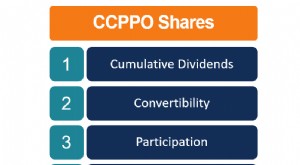 CCPPO Shares Explained: Understanding Cumulative, Convertible, & Participating Preferred Stock
CCPPO (Cumulative, Convertible, Participating, Preferred-dividend Ordinary) shares are a rare type of equity shares issued by a company, which contain multiple features, including cumulative dividends...