
Industrial REITs: Investing in the Future of Logistics & Warehousing
Industrial REITs are companies that own and manage real estate properties that are used for manufacturing, production, storage, and distribution of goods. The structure under which industrial REITs operate requires them to pay at least 90% of their net revenues as dividendsDividendA dividend is a share of profits and retained earnings that a company pays out to its shareholders. When a company generates a profit and accumulates retained earnings, those earnings can be either reinvested in the business or paid out to shareholders as a dividend. to shareholders.
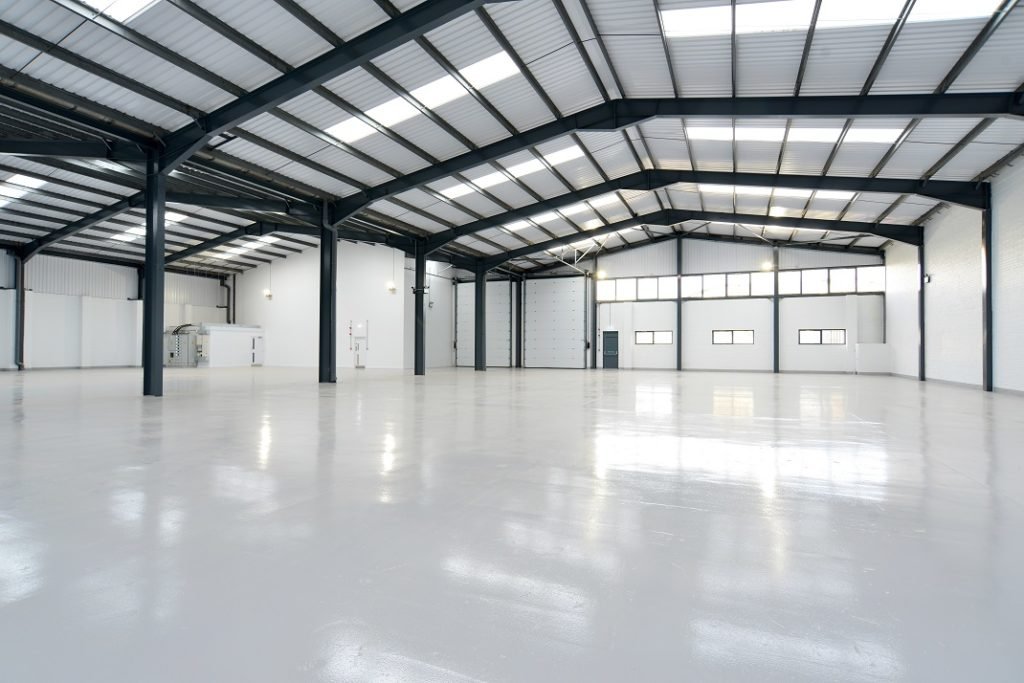
Interested investors can become shareholders in industrial REITs by purchasing shares of the company in the public exchange market. The guaranteed incomes, combined with the underlying real estate assets, make industrial REITs attractive to investors who are looking to get a share of the real estate market.
Quick Summary
- Industrial REITs own industrial facilities that are leased to tenants looking for space to be used in manufacturing, warehousing, distribution, etc.
- Industrial REITs are required to distribute at least 90% of their net revenues as dividends to shareholders.
- Investors can buy shares in publicly-traded industrial REITs in the public exchange markets.
How They Work
Industrial REITs are real estate investment trusts that are involved in the management, ownership, and leasing of industrial properties, either for setting up factories, distribution centers, warehouses, or e-commerce fulfillment centersClick and MortarClick and Mortar is an omnichannel business model that integrates online and offline operations. Customers can shop over the internet on the retailer’s. Usually, industrial properties are located outside the central business district since they require a large space for setting up machinery and loading tracks.
The industrial properties may exist as a cluster of industrial buildings within an industrial park or as a standalone building that is leased to an individual or multiple tenants. Some manufacturing and warehousing companies may also operate from buildings constructed on land that they own.
Like other types of REITs, industrial REITs provide investors a way to invest in the real estate sector without building or purchasing industrial buildings on their own. Building or acquiring industrial structures is not only hectic but also an expensive process that requires a large capital input and significant knowledge of how the real estate sector operates.
REITs allow investors to contribute funds to a pool, which is then used to purchase industrial buildings or acquire land on which to set up industrial buildings or parks. In return, investors get a return on their capital injection through dividends and appreciation of the real estate property. Investors may also invest in REITs as a way of diversifying their investments since REITs invest in a diverse range of portfolios comprising fixed equity, fixed incomeEquity vs Fixed IncomeEquity vs Fixed Income. Equity and fixed income products are financial instruments that have very important differences every financial analyst should know. Equity investments generally consist of stocks or stock funds, while fixed income securities generally consist of corporate or government bonds., and cash.
The Industrial REIT Boom
Over the past decade, one of the biggest beneficiaries of the growth of e-commerce is industrial REITs. With a growing number of consumers shopping online, e-commerce companies are setting up warehouses and fulfillment centers near metropolitan areas where a majority of customers live. It means that the demand for storage and logistics servicesLogisticsLogistics, or logistical planning, refers to the process that a business uses in order to coordinate its supply chain operations. It includes a wide variety is on the rise, and REITs that invest in strategic industrial properties stand to benefit.
Warehouses and fulfillment centers are the underlying assets of industrial REITs, placing the REITs at the center of the boom. Industrial REITs that invest in strategically located warehouses with easy access to transit routes stand to gain a lot. They are able to facilitate the movement of goods for manufacturers, distributors, and fulfillment companies across the world to the end consumers.
Potential tenants want to set up their warehouses close to major metropolitan areas so that they can speed up order fulfillment between when a client makes an order and when it is delivered to the customer’s doorstep. Investing in industrial parks near metropolitan areas will help bridge the undersupply of warehousing space that currently exists in the market.
Benefits of Industrial REITs
1. Highly adaptable
One of the benefits of industrial REITs is that they are adaptable to meet the demands at any time during an economic cycle. Unlike commercial properties REITs, where units are built according to each tenant’s preferences, industrial REITs are built in a way that they can be customized to different uses.
When inventory piles and the company is forced to go slow on manufacturing new goods, the floor space can be easily converted into a storage facility or truck loading section, whichever is in demand.
2. Requires lesser capital expenditure than other REIT types
Industrial REITs are also preferred over residential and commercial REITsCommercial Properties REITsCommercial properties REITs refer to real estate properties that are primarily used for business purposes, such as offices, hotels, retail stores, etc. because they require modest capital expenditure to set up. Industrial buildings require large open floor space to allow setting up machines that are used for production processes, which means that there is little to no aesthetic makeover required to meet the tenant’s emotional appeal.
Residential and commercial units often incur huge capital expenditures to attract tenants based on certain factors, such as designs, social amenities, preferences, proximity to the central business district, etc. Industrial REITs are set up outside the central business districts in areas that are easily accessible to delivery trucks and are near metropolitan areas where a large number of the population lives.
More Resources
CFI is the official provider of the Commercial Banking & Credit Analyst (CBCA)™Program Page - CBCAGet CFI's CBCA™ certification and become a Commercial Banking & Credit Analyst. Enroll and advance your career with our certification programs and courses. certification program, designed to transform anyone into a world-class financial analyst.
In order to help you become a world-class financial analyst and advance your career to your fullest potential, these additional resources will be very helpful:
- Hospitality REITsHospitality REITA hospitality REIT is a real estate investment trust that owns, acquires, and manages hotels, motels, luxury resorts, and business-class hotels, and leases
- Office REITsOffice REITsOffice REITs are REITs that build, manage, and maintain office buildings, and they lease the offices to companies that need space to accommodate their staff
- Residential Properties REITsResidential Properties REITsResidential properties REITs are REITs that own and manage residential units for renting out to tenants. They may be either single-family or multi-family structures
- Retail REITsRetail REITsRetail REITs are a type of REIT that owns and manages retail properties in central business districts and upmarket areas. It leases the retail space to
-

Understanding Funds Available for Distribution (FAD) in REITs
Funds available for distribution (FAD), also known as cash available for distribution, is used in reference to REIT investing. It shows the amount of net earnings of a REIT that will be distributed to
-

Hospitality REITs: Investing in Hotels & Travel Real Estate
A hospitality REIT is a real estate investment trust that owns, acquires, and manages hotels, motels, luxury resorts, and business-class hotels, and leases out space in the properties to guests. Hospi
finance
- Understanding Agency Costs: Protecting Shareholder Interests
- CCPPO Shares Explained: Understanding Cumulative, Convertible, & Participating Preferred Stock
- Commercial REITs: Investing in Income-Producing Properties
- Understanding Company Bylaws: A Comprehensive Guide
- Office REITs: Understanding Investment in Commercial Office Properties
- Private REITs vs. Publicly Traded REITs: A Comprehensive Comparison
- Residential REITs: Investing in Rental Properties Explained
- Understanding Retail REITs: A Comprehensive Guide
- REITs Explained: Investing in Real Estate Without Direct Ownership
-
 Understanding Fixed Costs: Definition, Examples & Importance
Fixed costs are a type of expense or cost that remains unchanged with an increase or decrease in the volume of goods or services sold. They are often time-related, such as interest or rents paid per m...
-
 Understanding Flash Crashes: Causes & Impact on Markets
Flash crashes refer to a scenario where the price of bondsBondsBonds are fixed-income securities that are issued by corporations and governments to raise capital. The bond issuer borrows capital from ...