
Understanding Stockholder Voting Rights: A Guide for Investors
When an investor purchases shares of stock, she will also get a voting right in the company. Many individual investors do not pay much attention to these voting rights. However, they are another benefit that you receive by purchasing stock.
Voting Rights
Stockholder voting rights are a very important feature for investors to have. The strength of your vote will depend upon how many shares you own. For example, someone with 10 shares in the company will be able to cast 10 votes. You do not necessarily have to be present at a shareholder meeting in order to vote. You can vote by proxy through the mail if you cannot attend a meeting.
What You Can Vote On
Shareholders can exercise this right to vote on a number of different things. Shareholders will vote on important matters that have to do with the company. For example, they will be in charge of electing individuals to sit on the board. Shareholders will also be called upon to help decide corporate policies or a particular direction for the company to go in. If a company is going to issue additional shares of stock, you will also be able to vote on this process.
-
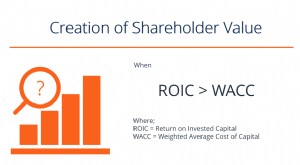
Shareholder Value: Definition, Calculation & Importance
Shareholder value is the financial worth owners of a business receive for owning shares in the company. An increase in shareholder value is created when a company earns a return on invested capital (R
-

Pension Value Calculation: A Step-by-Step Guide
You will need a financial calculator to determine the value of your pension. Financial calculators store important formulas, such as compounded interest rates, so you do not have to know the form
Stock basis
- Understanding Book Value: A Guide to Company Valuation
- Shareholder-Friendly Management: Boosting Investment Value
- Understanding Enterprise Value: A Comprehensive Guide for Investors
- Understanding Target Prices: A Guide for Stock Investors
- ROIC: Understanding Return on Invested Capital & Its Significance
- Price-to-Sales Ratio (P/S): A Beginner's Guide to Stock Valuation
- Value Line Index: A Comprehensive Overview | Value Line
- Understanding Insurance Ratings: A Guide to Evaluating Providers
- Understanding Voting Rights: A Guide for the 2020 Election
-
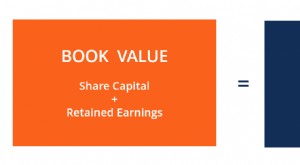 Understanding Book Value: A Key Financial Metric
Book value is a company’s equity value as reported in its financial statementsThree Financial StatementsThe three financial statements are the income statement, the balance sheet, and the statem...
-
 Understanding Salvage Value: Definition & Importance
Salvage value is the amount that an asset is estimated to be worth at the end of its useful life. It is also known as scrap value or residual value, and is used when determining the annual depreciatio...