
Understanding Competitive Interest Rates: What You Need to Know

When looking for a competitive loan interest rate, the percentage of interest charged is not the only consideration. Most of the time, the lower the number, the fewer dollars you pay in interest; but this is not always the case. Several different factors make an interest rate competitive, and these depend largely on the type of purchase you are making.
Comparing the Numbers
The first factor in a competitive interest rate is the number, which is usually presented as a decimal, for example, 11.9 percent. The lower the number, the lower the interest rate, which generally means you have to pay less interest before the loan is paid off. Most of the major banks have interest rate information online and you can comparison shop before you apply.
How the Interest Is Compounded
With some loan plans, interest rates are compounded daily; others are compounded quarterly or annually. This can make a difference in the overall amount you pay back, even if all other factors are equal among the loan offers you're considering. Banks often compound rates daily if the amount borrowed fluctuates often.
Loan Terms

Higher interest rates that are guaranteed over a longer term -- for example, five years -- can actually save money over lower interest rates that are guaranteed for only a short term -- for example, one year. Interest rates fluctuate with the economy, and they can increase during the short term you've selected. If you plan to renew your loan, you may find that the new short-term rates are higher than the longer-term rates were before. In this case, a longer loan period with slightly higher interest can be more competitive than a series of shorter loan periods with interest rates that are initially lower. This is especially true if the long-term loan is guaranteed for a longer period than its competitors -- for example, seven years rather than five years.
Fixed and Variable Rates
Depending on your needs, you may want a "fixed" or "variable" rate loan. Fixed rates are usually higher, but they are guaranteed to remain the same for the length of the loan. Variable rates are usually lower, but if interest rates increase and your minimum payment remains the same, it will extend the term of your loan. On a mortgage, for example, this can be significant. When searching for the most competitive rate, compare within each category: variable rates with other variable rates and fixed rates with other fixed rates.
Flexibility
A low interest rate is good, but if you're tied into the term, it may be more advantageous to take a higher rate with more flexibility. Consider interest rate versus interest dollars. Interest rates apply to both the amount you borrowed and the time it takes to pay it off; interest dollars are the bills out of your pocket over the length of the loan. By accelerating your payments, you can decrease the interest dollars you pay even if the rate stays the same, which saves you money in the long run.
-

Understanding Interest Rates: How They're Determined & Their Impact
Interest rate is a term that you’ll hear a ton, but it’s oddly nonspecific — there are a number of different kinds of interest rates that will personally affect your life, like what a bank will pay yo
-
Negative Interest Rates: Explained & How They Impact Your Finances
Imagine a time when a bank will pay you to take out a loan and where you need to pay the bank to hold onto your cash. No, it’s not a made-up scenario: it’s wh
debt
- Understanding the Advantages of Low Interest Rates
- Negative Interest Rates: Explained | Causes, Effects & History
- Maturity Ladder: A Comprehensive Guide for Investors
- Negative Impacts of Low Interest Rates: Economic Risks & Investment Implications
- Understanding Foreign Exchange Rates: A Comprehensive Guide
- Interest Tax Shields: Understanding Tax Deductions on Interest Expense
- Negative Interest Rates Explained: How They Work & Impact
- Negative Interest Rates Explained: Impact & Implications
- Understanding Interest Rates: A Simple Explanation
-
 Interest Rate Futures: Definition, How They Work & Investing
Interest rate futures are futures contracts based on interest-bearing financial instruments. This futures contractFutures ContractA futures contract is an agreement to buy or sell an underlying asset ...
-
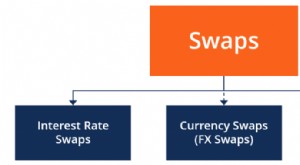 What are Swap Contracts?
Swap contracts are financial derivatives that allow two transacting agents to “swap” revenue streamsRevenue StreamsRevenue Streams are the various sources from which a business earns money...