
Debt Consolidation: Simplify Payments & Lower Interest Rates
Debt consolidation is a form of debt refinancing in which several smaller debts are consolidated into one simplified debt. It generally results in a lower interest rateInterest RateAn interest rate refers to the amount charged by a lender to a borrower for any form of debt given, generally expressed as a percentage of the principal., lower monthly payment, and a simplified payment plan.
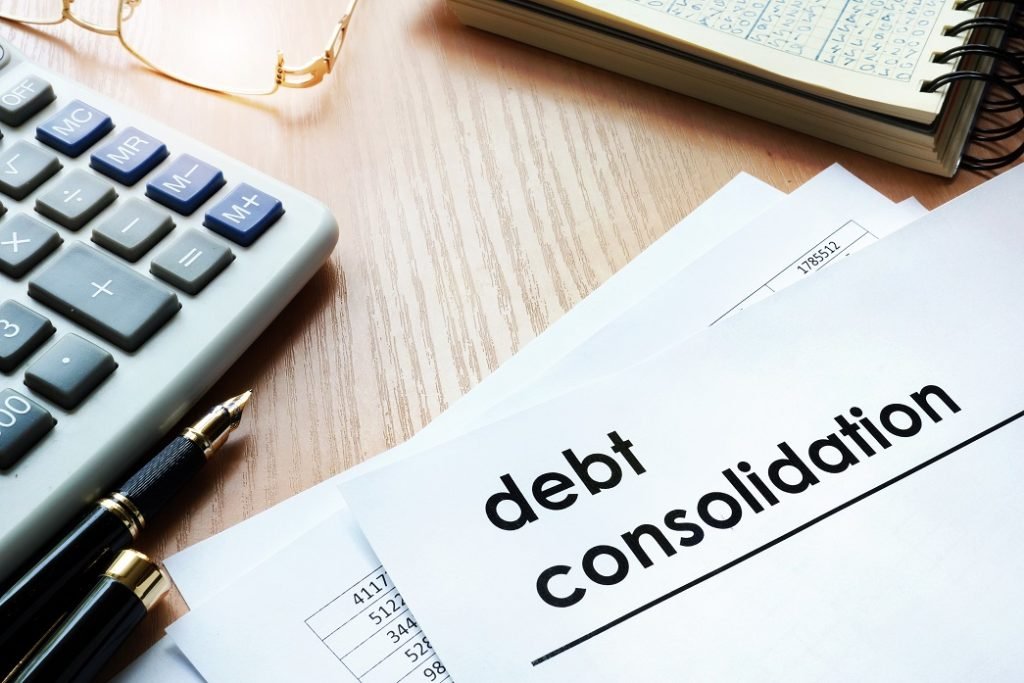
Debt consolidation simplifies payment plans by eliminating the number of debts and allowing consumers to put all their attention into one large account.
Consumers can apply for debt consolidation through a variety of different resources such as their bank, credit card company, or credit unionCredit UnionA credit union is a type of financial organization that is owned and governed by its members. Credit unions provide members with a variety of financial services, including checking and savings accounts and loans. They are non-profit organizations that aim to provide high-quality financial services. If such options are unable to be pursued, private lenders can be used.
Secured vs. Unsecured Loan
The consolidation of a loan can be applied to either a secured or unsecured loan.
1. Secured loan
A secured loan is a type of loan that involves collateral – something of value like a vehicle or house. In other words, the lender can take possession of the collateral if the borrower is late on payments. This most commonly pertains to car payments and mortgages.
2. Unsecured loan
No collateral is required in an unsecured loan. It means that the lender cannot take personal valuables if the borrower is late on payments. For example, if they are late on a credit card bill or student loan, the bank cannot confiscate their house as collateral.
In debt consolidation, it is important to know the type of loan taken out by the borrower. With regards to both secured and unsecured loans, consolidating will typically result in a lower interest rate than what credit card companies offer.
Pros and Cons of Debt Consolidation
Listed below are few of the pros and cons of turning to debt consolidation:
Pros
- Debt consolidation loans are presented with smaller interest rates and a simplified payment plan, which eliminates the strain of multiple bills.
- The borrower’s credit rating will not be adversely affected if they are able to keep up with payments. In some cases, a credit score can increase due to quick payments.
- The borrower may also qualify for a tax deduction if the loan is secured with an asset (collateralCollateralCollateral is an asset or property that an individual or entity offers to a lender as security for a loan. It is used as a way to obtain a loan, acting as a protection against potential loss for the lender should the borrower default in his payments.).
Cons
- Resorting to debt consolidation can result in longer payment terms. It will extend the debt, and the borrower will be in debt longer.
- In some instances, the borrower may even be required to provide collateral. Conversely, the non-payment of debt consolidation can hurt heir credit rating, leaving the borrower worse off in the future.
- Some debt consolidation services include large monthly and initial fees that can add to the overall debt.
Forms of Debt Consolidation
Debt consolidation is a broad topic that can be magnified when it comes to certain situations such as the ones stated below.
- Debt consolidation loans: They would be given to a consumer who wishes to combine multiple debts into one large, simplified loan.
- Student loan consolidation: Multiple student loans can be consolidated at a lower interest rate, reducing the stress faced by graduates.
- Credit cards: Multiple credit cards can be consolidated into one credit card at a different interest rate. It is the most common form of debt consolidation.
- Home equity loans: Such a form of debt consolidation relates to home equity lines of credit (HELOC). If itemized, interest on the loan can be deductible.
Other Options
Consumers can turn to a variety of options when faced with a large amount of debt, including:
- Debt settlement: The debt is negotiated with the lender to lower the interest rate and overall financial burden.
- Debt relief: Where a fraction, or all of the debt, is forgiven by the lender.
- Credit counseling: A third party assists the borrower and educates them on how to reduce overall debt and avoid it in the future.
- Bankruptcy: When no other option is available, the borrower’s personal assets are liquidated by a trustee and are used to repay the debt as much as possible.
Related Readings
CFI offers the Commercial Banking & Credit Analyst (CBCA)™Program Page - CBCAGet CFI's CBCA™ certification and become a Commercial Banking & Credit Analyst. Enroll and advance your career with our certification programs and courses. certification program for those looking to take their careers to the next level. To keep learning and developing your knowledge base, please explore the additional relevant resources below:
- Commercial Loan AgreementCommercial Loan AgreementA commercial loan agreement refers to an agreement between a borrower and a lender when the loan is for business purposes. Every time a substantial amount of money is borrowed, an individual or organization must enter into a loan agreement. The lender provides the money, provided the borrower agrees to all the loan stipulations
- HELOC CalculatorHome Equity Line of Credit (HELOC) CalculatorThe Home Equity Line of Credit (HELOC) calculator can calculate the maximum line of credit available for a homeowner. A HELOC is similar to
- Refinanced MortgageRefinanced MortgageIn real estate, refinancing is the process of replacing a current mortgage with a new mortgage that usually extends more favorable terms to the borrower
- Debt CovenantsDebt CovenantsDebt covenants are restrictions that lenders (creditors, debt holders, investors) put on lending agreements to limit the actions of the borrower (debtor).
-

Business Debt Consolidation: Strategies for Financial Relief
Just as consumers sometimes find themselves buried in debt, so too do businesses. Excessive business debt can be incurred for many different reasons including expansion, unexpected large expense
-
Debt Consolidation: Is It Right for You? | Financial Strategies
Strategies to get Your Finances under ControlWith most American households deep in debt, its no wonder that people are searching for ways to ease their financial burdens. As a direct result of t
finance
- Understanding Capital: Types, Categories & Value Creation
- Understanding Debt: Types, Obligations & Financial Implications
- Understanding Debt Capacity: A Guide for Businesses
- Understanding Debt Default: Causes, Consequences, and Prevention
- Debt Financing: A Comprehensive Guide for Businesses
- Debt Refinancing: A Comprehensive Guide to Lowering Your Payments
- Debt Restructuring: A Comprehensive Guide for Financial Distress
- Debt Consolidation: Is It Right for You? Explore Your Options
- Debt Consolidation: Understanding the Pros, Cons, and How It Works
-
Debt Consolidation: What You Need to Know - Pros, Cons & How It Works
Debt consolidation is the most complicated form of modification. Consolidation involves closing multiple debts at once through strategies such as refinancing, prepayment and settlement. The resu...
-
Debt Consolidation: A Comprehensive Guide for Financial Freedom
Once youre out on your own and actually in charge of your own finances, youll come to realize that it doesnt take much for unrestrained spending and the debt that invariably follows closely behin...