
Understanding Mortgage Registration: A Comprehensive Guide

When a borrower purchases a new mortgage, the debt is registered with the local government by the closing agent to record a legal debt. This lists the debt on the deed to the property. This means that the debt must be paid in full or released by the lender before the property can be transferred.
Significance
Registering a mortgage protects the current lien holder and any future owners of the property. It prevents another buyer from purchasing the property without knowing that there is a debt secured by it.
Function
Registering the mortgage also gives the lender the legal right to take the property as payment if the mortgage should go into default.
Time Frame
The mortgage deed is usually filed the day of closing, unless it is a cash-out refinance or home equity line of credit. In those two cases, there is a three-day waiting period, known as the "right of rescission" period, that must pass prior to legally filing the debt.
Considerations
If a mortgage is not properly registered, it may cause legal consequences for the lender and future property holders that could alter the ability to buy or sell the land for future uses.
Misconceptions
Even if the mortgage debt is procured through an individual, instead of a financial lender, the deed must be recorded to reflect the mortgage debt.
-

Margin Debt Explained: Understanding Brokerage Loans for Investing
Margin debt represents the amount that an investor owes a broker in their margin account. When a broker approves a margin account for an investor, the margin account is granted a line of credit that c
-
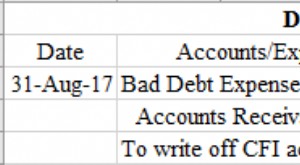
Understanding Bad Debt: Definition and Financial Statement Impact
First, let’s determine what the term bad debt means. Sometimes, at the end of the fiscal periodFiscal Year (FY)A fiscal year (FY) is a 12-month or 52-week period of time used by governments and
home finance
- Understanding Personal Debt: Definition, Types & Impact
- Understanding Delinquent Debt: Causes, Consequences, and Solutions
- Mortgage Cancellation: Understanding the Implications & Options
- Retail Mortgages: A Comprehensive Guide for Homebuyers
- Mortgage Subservicers: Understanding Your Loan Servicing
- Understanding the DU: Your Mortgage Approval Explained
- Understanding Capital: Types, Categories & Value Creation
- Understanding Debt: Types, Obligations & Financial Implications
- Understanding Debt Capacity: A Guide for Businesses
-
 Unitranche Debt Explained: Structure, Benefits & Risks
A Unitranche Debt is a hybrid loan structure that combines senior and subordinated debtSenior and Subordinated DebtIn order to understand senior and subordinated debt, we must first review the capital...
-
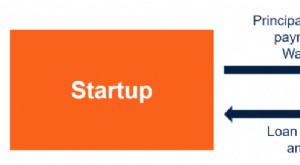 Venture Debt: A Comprehensive Guide for Startups
Venture debt is a type of debt financing obtained by early-stage companies and startupsStartup Valuation Metrics (for internet companies)Startup Valuation Metrics for internet companies. This guide ou...