
Callable Bonds: Understanding Issuer Redemption Rights
A callable bond (redeemable bond) is a type of bond that provides the issuer of the bond with the right, but not the obligation, to redeem the bond before its maturity date. The callable bond is a bond with an embedded call optionCall OptionA call option, commonly referred to as a "call," is a form of a derivatives contract that gives the call option buyer the right, but not the obligation, to buy a stock or other financial instrument at a specific price - the strike price of the option - within a specified time frame..
These bonds generally come with certain restrictions on the call option. For example, the bonds may not be able to be redeemed in a specified initial period of their lifespan. In addition, some bonds allow the redemption of the bonds only in the case of some extraordinary events.
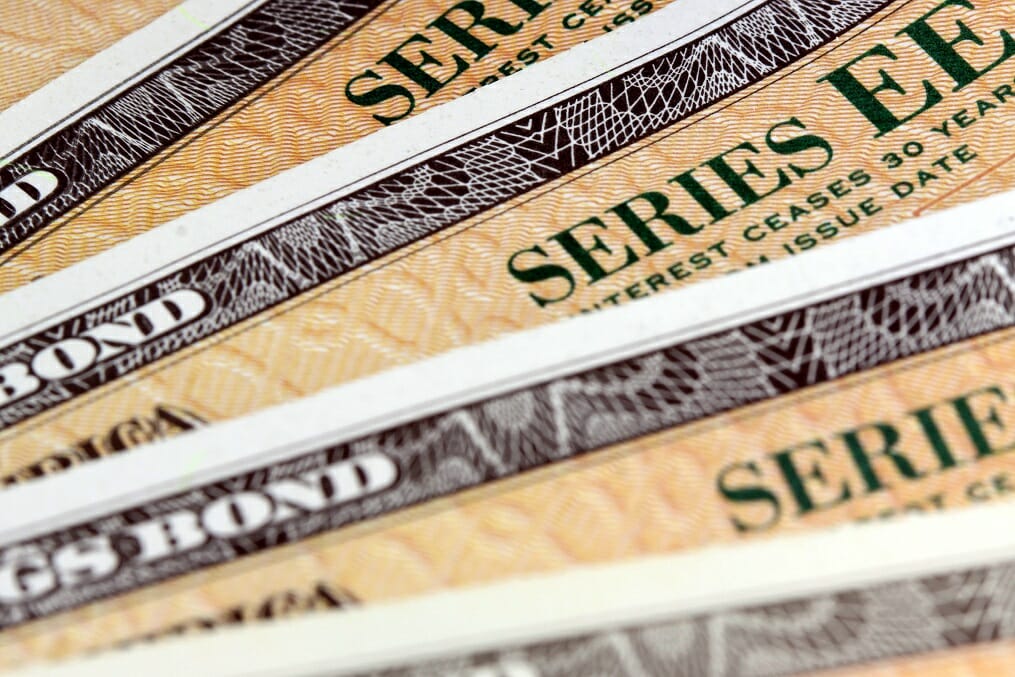
Callable bonds may be beneficial to the bond issuers if interest ratesInterest RateAn interest rate refers to the amount charged by a lender to a borrower for any form of debt given, generally expressed as a percentage of the principal. are expected to fall. In such a case, the issuers may redeem their bonds and issue new bonds with lower coupon ratesCoupon RateA coupon rate is the amount of annual interest income paid to a bondholder, based on the face value of the bond..
On the other hand, callable bonds mean higher risk for investors. If the bonds are redeemed, the investors will lose some future interest payments (this is also known as refinancing risk). Due to the riskier nature of the bonds, they tend to come with a premium to compensate investors for the additional risk.
Generally, the majority of callable bonds are municipal or corporate bondsBond IssuersThere are different types of bond issuers. These bond issuers create bonds to borrow funds from bondholders, to be repaid at maturity..
How do callable bonds work?
To understand the mechanism of callable bonds, let’s consider the following example.
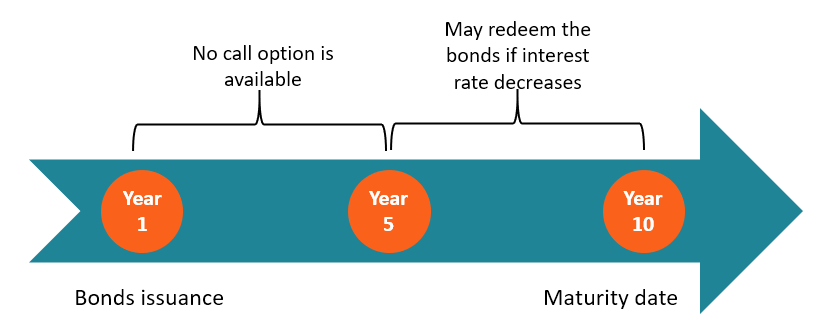
ABC Corp. issues bonds with a face value of $100 and a coupon rate of 6.5% while the current interest rate is 4%. The bonds will mature in 10 years.
However, the company issues the bonds with an embedded call option to redeem the bonds from investors after the first five years.
If interest rates have declined after five years, ABC Corp. may call back the bonds and refinance its debt with new bonds with a lower coupon rate. In such a case, the investors will receive the bond’s face value but will lose future coupon payments.
However, if the interest rate increases or remains the same, there is no incentive for the company to redeem the bonds and the embedded call option will expire unexercised.
How to find the value of a callable bond?
Valuing callable bonds differs from valuing regular bonds because of the embedded call option. The call option negatively affects the price of a bond because investors lose future coupon payments if the call option is exercised by the issuer.
The value of a callable bond can be found using the following formula:

Where:
- Price (Plain – Vanilla Bond) – the price of a plain-vanilla bond that shares similar features with the (callable) bond.
- Price (Call Option) – the price of a call option to redeem the bond before maturity.
More resources
CFI offers the Financial Modeling & Valuation Analyst (FMVA)™Become a Certified Financial Modeling & Valuation Analyst (FMVA)®CFI's Financial Modeling and Valuation Analyst (FMVA)® certification will help you gain the confidence you need in your finance career. Enroll today! certification program for those looking to take their careers to the next level. To keep learning and advancing your career, the following resources will be helpful:
- Investing: A Beginner’s GuideInvesting: A Beginner's GuideCFI's Investing for Beginners guide will teach you the basics of investing and how to get started. Learn about different strategies and techniques for trading
- Bond PricingBond PricingBond pricing is the science of calculating a bond's issue price based on the coupon, par value, yield and term to maturity. Bond pricing allows investors
- Equity vs. Fixed IncomeEquity vs Fixed IncomeEquity vs Fixed Income. Equity and fixed income products are financial instruments that have very important differences every financial analyst should know. Equity investments generally consist of stocks or stock funds, while fixed income securities generally consist of corporate or government bonds.
- Options: Calls and PutsOptions: Calls and PutsAn option is a derivative contract that gives the holder the right, but not the obligation, to buy or sell an asset by a certain date at a specified price.
-

Profit Sharing Bonds: Understanding Investment Income & Potential
A profit sharing bond is a fixed income security whereby the holder receives regular interest payments and a share in the profits or dividends of the bond-issuing company. Other Nam
-

Understanding Term to Maturity: A Key Bond Concept
Term to maturity is the remaining life of a bond or other type of debt instrument. The duration ranges between the time when the bond is issued until its maturity date when the issuer is required to r
invest
- Understanding Bonds: A Comprehensive Guide for Investors
- Convertible Bonds: A Comprehensive Guide for Investors
- Green Bonds: Financing a Sustainable Future | [Your Company Name]
- High-Yield Bonds: Understanding Risk & Potential Returns
- Kangaroo Bonds: A Guide to Australian Dollar Debt
- L Bonds: Understanding Unrated Life Insurance Bonds
- Municipal Bonds: A Comprehensive Guide for Investors
- Non-Callable Bonds: Understanding Key Features & Differences
- Understanding Bonds: A Comprehensive Guide for Investors
-
 General Obligation Bonds (GO Bonds): A Comprehensive Guide
A general obligation (GO) bond is a type of municipal bond in which the bond repayments (interest and principalPrincipal PaymentA principal payment is a payment toward the original amount of a loan th...
-
 Understanding High-Yield Bond Spreads: A Comprehensive Guide
A high-yield bond spread, also known as a credit spread, is the difference in yields between multiple high-yield bonds, expressed in basis points or percentage points. A high-yield bond is a term that...