
Automatic Investment Plans: A Simple Guide to Effortless Investing
An automatic investment plan allows individuals to have a certain amount of money transferred from a bank account to an investment account on regular intervals. For example, an individual with an automatic investment plan might decide to invest $50 per month into a particular mutual fund.
Using an automatic investment plan can be very beneficial to investors because it automates the process of investing and saving. They will not have to make a conscious decision to set aside money which can prevent people from wasting expendable income. With this particular tool, many individuals will treat their automatic investment payment as if it were any other bill that had to be paid.
Without an automatic investment plan, it is up to the discretion of the individual to set aside a certain amount of money for investing. In most cases, the individual never get around to allocating the money to investments and use it for something else. With an automatic investment plan, you can generally save more money because you do not have to plan for anything.
When setting up this type of plan, an investor should look at the costs involved. Many companies will do this for no charge as long as you are investing.
-

Capital Preservation: A Guide to Protecting Your Investments
Capital preservation is an investment strategy that promotes saving, i.e., preserving capital and avoiding loss of value. The strategy adopts a conservative approach towards investing specifically in
-
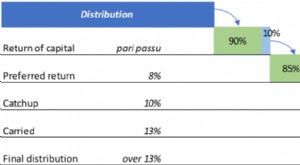
Understanding Distribution Waterfalls in Equity Investing
A distribution waterfall is a popular term in equity investing that refers to the way in which capital gainsCapital GainA capital gain is an increase in the value of an asset or investment resulting f
invest
- Comprehensive Financial Planning: Your Path to Financial Security
- Understanding Investments: A Beginner's Guide to Growth & Income
- Understanding Drawdowns: A Key Investment Risk
- Understanding Investment Horizon: A Comprehensive Guide
- Trading Plan: A Comprehensive Guide to Successful Trading
- Brownfield Investment: Definition, Benefits & Examples
- Investment Trusts Explained: A Comprehensive Guide
- DB(k) Plans: A Hybrid Retirement Solution for Employers & Employees
- Hedging Explained: Protect Your Investments from Risk
-
 Annual Return: Definition, Calculation & Understanding
The annual return is the return on an investment generated over a year and calculated as a percentage of the initial amount of investment. If the return is positive (negative), it is considered a gain...
-
 Understanding 401(k) Plans: A Comprehensive Guide
For most people, retirement is the most expensive financial goal they’ll save for in their life. According to the U.S. Department of Labor, you’ll need around 70% to 90% of your pre-retirement income ...