
Asset Allocation: A Key to Investment Success
Investing success is as much about having the right process as it is about choosing the right investments. Avoid the barrage of money messages by focusing on one simple question: What is the most important factor affecting your investment return? The answer is: A proper asset allocation strategy based on a balance of your risk tolerance and need for growth.
An oft-quoted study, Determinants of Portfolio Performance, showed that over 90 percent of a portfolio’s return variability is due to asset allocation – more than market timing and security selection. While there’s disagreement among academics over exactly how much impact asset allocation has on performance, in practice it’s the first order of business for institutions with a lot of money to manage.
For instance, check out the annual report or update of a typical university endowment (see here for the Stanford University Endowment’s Report). You’ll likely notice that the first component of the investing strategy addressed is asset allocation.
Moving to an asset allocation-based passive investment strategy may optimize your own portfolio, and make the difference between retiring on a shoestring budget or a lifestyle of champagne dreams and caviar wishes.
What is Asset Allocation?
To help visualize what asset allocation actually means, it’s helpful to use an analogy. We use a soccer team. To build a great soccer team, you need defensive and offensive positions. Having strong players in both areas is critical to accomplishing the team’s objective – to win.
In investing, the offensive and defensive players are like asset classes. Asset classes are types of investments that exhibit similar levels of risk and return, such as equities, fixed income, and real assets. As on a soccer team, you need a variety of asset classes: some that are offensive – which do well when the economy is charging ahead – and are defensive – that do well when the economy is falling behind.
Mixing asset classes is important because asset classes have shown different behavior in different market conditions. In investing speak, they’re not correlated. In practice, investors look at an asset class “correlation matrix” to help determine the optimal amount to balance in a portfolio. Balancing asset classes helps to decrease portfolio risk without losing returns. A portfolio’s asset allocation that minimizes risk while maximizing returns is called “efficient.”
The Impact on Your Portfolio
As you think about designing your own portfolio, we return to the initial point: asset allocation trumps stock market timing and security selection. A 2016 report by Standard & Poor’s shows that less than 8% of all large-cap, mid-cap, and small-cap equity funds outperform their benchmarks over a 15-year period. When you look more broadly at all domestic funds, 82% underperform over that 15-year timeframe. Based on these numbers, it is very difficult for an actively managed fund to achieve persistent outperformance in the medium to long term.
In other words, tracking the markets has proven to be better, on average, than picking stocks or trusting managers to pick stocks for you. Furthermore, the fees associated with active investing can significantly drag down performance, thereby extending the years you are required to work.
-
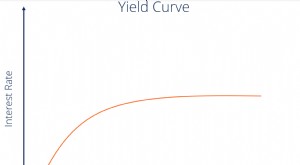
Understanding the Yield Curve: Definition & Significance
The Yield Curve is a graphicalTypes of GraphsTop 10 types of graphs for data presentation you must use - examples, tips, formatting, how to use them for effective communication and in presentations. r
-
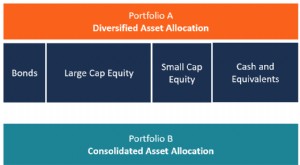
Asset Allocation: A Comprehensive Guide to Investment Risk Management
Asset allocation refers to an investment strategy in which individuals divide their investment portfolios between different diverse asset classes to minimize investment risks. The asset classesAsset C
invest
- Understanding the Credit Curve: A Guide for Investors
- Understanding the Flat Yield Curve: Causes & Implications
- Tactical Asset Allocation: A Guide to Dynamic Portfolio Management
- Asset Allocation: 4 Key Benefits for Investors
- Strategic Asset Allocation for Young Investors: A Comprehensive Guide
- Asset Allocation: A Comprehensive Guide for Investors
- Asset Allocation Funds: Understanding the Pros, Cons, and Potential Pitfalls
- Asset Allocation: A Simple Rule of Thumb for Retirement Investing
- Asset Allocation: A Comprehensive Guide for Investors
-
 Asset Allocation: A Beginner's Guide to Investment Success
A major part of being a successful investor is having the right asset allocation model for your risk tolerance and investing for the long term. But what exactly does asset allocation mean? What should...
-
Asset Allocation vs. Diversification: A Beginner's Guide
There are a lot of investing terms out there. Some you can ignore while others are critical to investing success. Two terms that must be understood by all investors is asset allocation and diversifica...