
Understanding Cash Equivalents: Definition & Examples
Cash includes legal tender, bills, coins, checks received but not deposited, and checking and savings accounts. Cash equivalents are any short-term investment securities with maturity periods of 90 days or less. They include bank certificates of deposit, banker’s acceptances, Treasury bills, commercial paper, and other money market instruments.
Cash and its equivalents differ from other current assets like marketable securitiesMarketable SecuritiesMarketable securities are unrestricted short-term financial instruments that are issued either for equity securities or for debt securities of a publicly listed company. The issuing company creates these instruments for the express purpose of raising funds to further finance business activities and expansion. and accounts receivableAccounts ReceivableAccounts Receivable (AR) represents the credit sales of a business, which have not yet been collected from its customers. Companies allow, based on their nature. However, certain marketable securities may classify as a cash equivalent, depending on the accounting policy of a company.

List of Cash Equivalents
The full list of cash equivalents includes the following items with maturity dates that are typically three months or less:
- Banker’s acceptance
- Commercial paper
- Treasury bills
- Other liquid investments that mature within three months
Companies may elect to classify some types of their marketable securities as cash equivalents. This depends on the liquidity of the investment and what the company intends to do with such products. Typically, this will be disclosed in the footnotes of a company’s financial statements.
Working Capital
Cash and cash equivalents are part of the current assets section of the balance sheet and contribute to a company’s net working capital. Net working capital is equal to current assets, less current liabilitiesCurrent LiabilitiesCurrent liabilities are financial obligations of a business entity that are due and payable within a year. A company shows these on the.
Working capital is important for funding a business in the short term (12 months or less) and can be used to help finance inventory, operating expenses, and capital purchases.
Importance in Financial Modeling and Valuation
In financial modelingWhat is Financial ModelingFinancial modeling is performed in Excel to forecast a company's financial performance. Overview of what is financial modeling, how & why to build a model. and valuation, cash is king. Financial analysts spend a lot of their time “undoing” the work of accountants (accruals, matching, etc.) to arrive at the cash flowValuationFree valuation guides to learn the most important concepts at your own pace. These articles will teach you business valuation best practices and how to value a company using comparable company analysis, discounted cash flow (DCF) modeling, and precedent transactions, as used in investment banking, equity research, of a business.
When building a financial modelTypes of Financial ModelsThe most common types of financial models include: 3 statement model, DCF model, M&A model, LBO model, budget model. Discover the top 10 types, cash is typically the last item to be completed and will reveal whether or not the balance sheet balances and if the model is working properly.
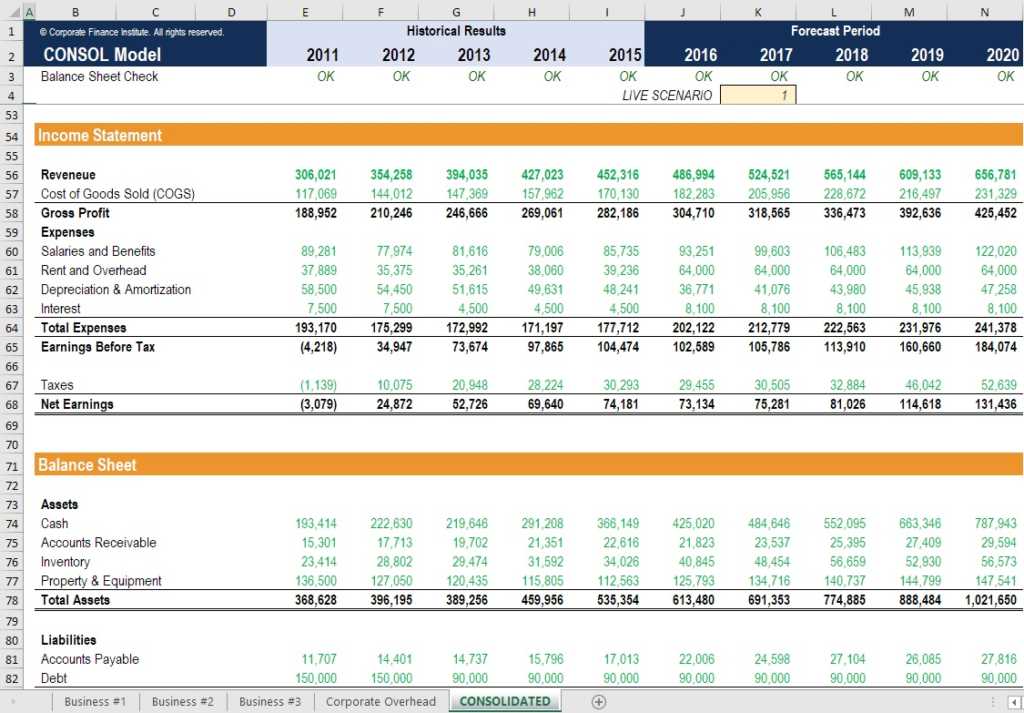
The above example of cash equivalents is taken from CFI’s Financial Modeling Courses.
What’s Not Included in Cash Equivalents
Investments in liquid securities, such as stocks, bonds, and derivatives, are not included in cash and equivalents. Even though such assets may be easily turned into cash (typically with a three-day settlement period), they are still excluded. The assets are listed as investments on the balance sheet.
To explore careers in corporate finance, check out our interactive Career Map.
More Learning
CFI offers the Commercial Banking & Credit Analyst (CBCA)™Program Page - CBCAGet CFI's CBCA™ certification and become a Commercial Banking & Credit Analyst. Enroll and advance your career with our certification programs and courses. certification program for those looking to take their careers to the next level. To keep learning and developing your knowledge base, please explore the additional relevant resources below:
- Buying on MarginBuying on MarginMargin trading or buying on margin means offering collateral, usually with your broker, to borrow funds to purchase securities. In stocks, this can also mean purchasing on margin by using a portion of profits on open positions in your portfolio to purchase additional stocks.
- Bank Line of CreditBank LineA bank line or a line of credit (LOC) is a kind of financing that is extended to an individual, corporation, or government entity, by a bank or other
- How to Become a Financial AnalystGuide to Becoming a Financial AnalystHow to become a financial analyst. Follow CFI's guide on networking, resume, interviews, financial modeling skills and more. We've helped thousands of people become financial analysts over the years and know precisely what it takes.
- Financial Modeling CertificationsFinancial Modeling CertificationFinancial Modeling Certification - earn your certificate as a Financial Modeling and Valuation Analyst (FMVA)® for careers in investment banking, FP&A,
-
Understanding Financial Statement Footnotes: A Comprehensive Guide
Financial statement footnotes are used as additional information to individuals reading a financial statement. Otherwise known as explanatory notes or notes to the financial statements, the footnotes
-
![Marketable Securities: Definition & Types | [Your Brand/Company Name]](https://www.etffin.com/article/uploadfiles/202110/2021100815155870_S.jpg)
Marketable Securities: Definition & Types | [Your Brand/Company Name]
Marketable securities are unrestricted short-term financial instruments that are issued either for equity securitiesStockWhat is a stock? An individual who owns stock in a company is ca
Accounting
- Understanding Financial Barriers: How Costs Impact Your Lifestyle
- Financial Covenants: Definition, Types & Importance
- Understanding Financial Ratios: A Comprehensive Guide
- Understanding Non-Cash Expenses: A Comprehensive Guide
- Understanding Finance: A Comprehensive Overview
- Understanding Financial Assets: Definitions & Types
- Understanding Financial Statements: A Comprehensive Guide
- Petty Cash: Definition, Uses & Management for Businesses
- Understanding the Three Core Financial Statements
-
 Cash Reserves: Definition, Benefits & Short-Term Needs
Cash reserves are funds that companies set aside for use in emergency situations. The cash that is saved is used to cover costs or expenses that are unplanned or unexpected. In most cases, the reserve...
-
 Financial Controls: Definition, Importance & Key Processes
Financial controls are the procedures, policies, and means by which an organizationBest Organizational Structures for a BusinessOrganizational structures are essentially blueprints that reveal how com...