
Finance Charge vs. APR: Understanding Loan Costs
Loans are often necessary to help cover unexpected expenses or to purchase particularly expensive items, such as cars and homes. When a consumer borrows money, he may not understand all the charges associated with the loan. Most lenders charge annual interest rates, or APRs. Lenders may also impose additional charges, which constitute finance charges.
Finance Charge vs. Annual Interest
Lenders want to provide some incentive to the borrower to repay the loan in a timely fashion. Finance charges and interest rates impose additional monetary obligations on the principal balance of the loan. Finance charges include all charges associated with the loan, including interest and commitment fees. The annual percentage rate is the amount of interest that compounds daily.
Usury Laws
Usury laws protect consumers from "predatory" lending. A usurious loan is one that charges an interest rate greater than that allowed by law. There is no federal usury limit. Usury limits also vary by state; not every state imposes a usury limit. State laws vary on the penalties for usurious loans. In general, the lender is not entitled to recover costs or interest on the judgment.
Usury and Finance Charges
In general, usury only applies to illegal interest rates. A lender in a state with a 12 percent usury rate may not charge an APR greater than 12 percent. However, the agreement between the lender and borrower may require the borrower to pay additional charges classified as finance charges. In total, the entire obligation may result in payments that technically exceed the usury rate. The loan is only usurious if the APR exceeds the state limit.
Other Issues
Usury laws have relatively limited application and, as of the date of publication, have several loopholes. Complications arise when lenders operate in multiple states. The law of the state where the business has its principal location governs the lender's behavior. A credit card company may incorporate in a state that has no usury limit. If that same company opened a branch in a different state, it could charge an otherwise illegal interest rate in that state, because the state of its principal location has no usury limit.
-

Rental Application vs. Lease: Understanding the Key Differences
After you visit potential new rentals and decide on one or more that meet your needs, the next step is to sit down with the apartment manager to fill out paperwork and finalize the deal. Two important
-
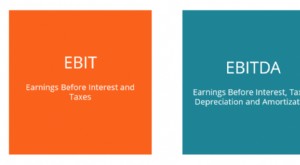
EBIT vs. EBITDA: Understanding the Key Differences
The difference between EBITEBIT GuideEBIT stands for Earnings Before Interest and Taxes and is one of the last subtotals in the income statement before net income. EBIT is also sometimes ref
debt
- Collateral vs. Guaranteed Loans: Understanding the Key Differences
- Personal Loan vs. Debt Consolidation: Which is Right for You?
- Promissory Note vs. Bill of Exchange: Key Differences Explained
- USPS Priority Mail vs. Flat Rate: Which Shipping Option is Best?
- Rate of Return vs. Interest Rate: Understanding the Key Differences
- Understanding AER: Annual Equivalent Rate Explained
- Understanding APR: What It Is and How It Works
- Understanding Annual Percentage Yield (APY): A Comprehensive Guide
- Effective Annual Interest Rate (EAR): Understanding & Calculation
-
Debt vs. Bonds: Understanding the Key Differences
Debt, according to Forbes' Investopedia, is an amount of money borrowed by one party from another. Companies will often take on debt in order to invest in materials and equipment they need, but fo...
-
 Easement vs. Right of Way: Understanding the Key Differences
Railroad companies are granted rights of way by federal statute. Easements and right of way are very similar under the law. Although easements and right of way essentially grant owners use of...