
A-Shares Explained: Understanding Preferred Stock & Share Classes
A-shares are a share classification for common or preferred stockPreferred SharesPreferred shares (preferred stock, preference shares) are the class of stock ownership in a corporation that has a priority claim on the company’s assets over common stock shares. The shares are more senior than common stock but are more junior relative to debt, such as bonds.. Share classification refers to the different types of shares that investors can own in a company’s stock.
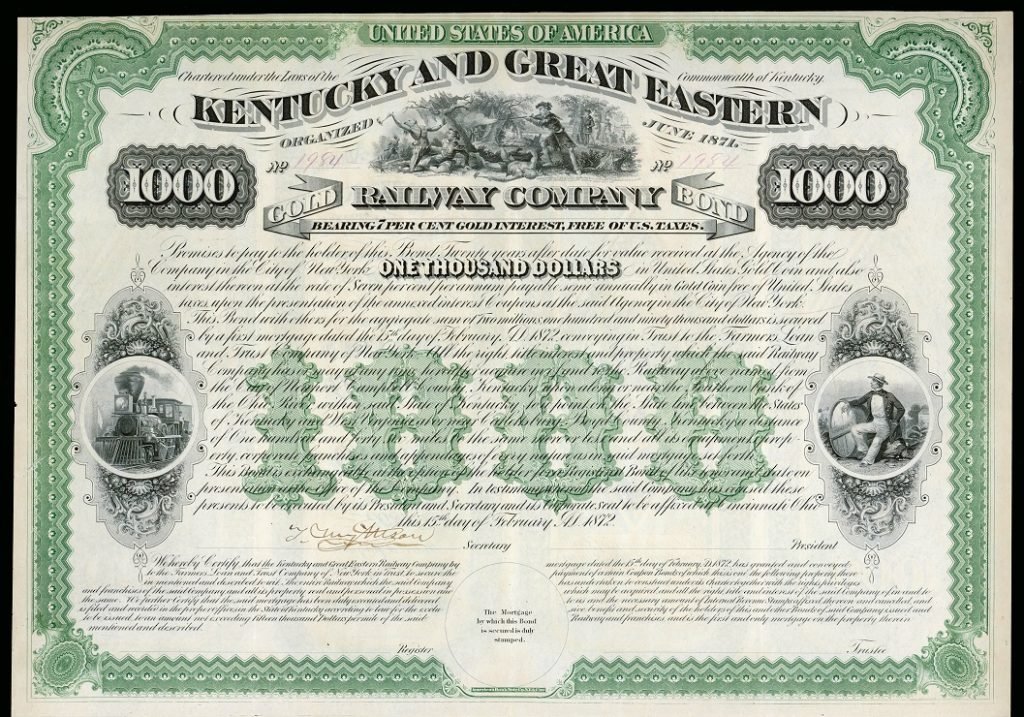
The different types of shares provide different levels of benefits and rights. For example, a company may issue Class A, Class B, and Class C shares. It is important to note that it is not required for a company’s stock to take on multiple share classes.
Moreover, a company can choose how they want to define the benefits for different classes as they don’t violate any rights or laws associated with the holders. The benefits pertaining to holders of Class A can fall in areas such as dividends, asset sales, or voting rightsVoting SharesVoting shares are shares of a company that entitle the shareholder to vote on key issues of the company. It is generally one vote per share. The shares.
Summary
- Class A shares are a classification of stock. Different types of shares provide different levels of benefits or rights.
- The main areas of extra benefits in relation to stock classification are voting rights, liquidation preferences, and dividend payouts.
- Knowledge surrounding the different types of shares of a company can help investors in making informed decisions on which shares they purchase.
Understanding A-Shares
To expand, when the company is doing well, shareholders of certain classes will be given priority for the dividend payouts or they may receive extra votes in comparison to holders with shares from other classes. However, it’s important to underline that the shares may also come with restrictions in exchange for the extra benefits.
For example, a shareholder’s voting rights are reduced, but in turn, they receive preference in terms of dividend payoutsDividend Per Share (DPS)Dividend Per Share (DPS) is the total amount of dividends attributed to each individual share outstanding of a company. Calculating the dividend per share. In addition, sometimes holders of the Class A shares can convert their shares into Class B shares at a certain rate. Class A shares differ from other classes, for example, in their sales charges.
Class A shares in the United States could come with upfront charges on the amount being invested, whereas Class B or Class C shares wouldn’t. However, Class B shares would include other ongoing expenses that Class A shares do not.
If an investor purchases Class A shares, there will be front-end sales charges. For example, if a shareholder were to invest $100 and 5% was the sales charge, they are technically only investing $95 in the company.
On top of the front-end sales charge, there may be an annual sales charge. Front-end sales charges would typically not be a part of the purchase of Class B or Class C shares.
Class A Share Fees
Class A shares are a traditional kind of front-end load shares, which require a sales charge at the time of purchase. The fee will be taken off the total amount invested.
Additionally, there will usually be an annual fee for the shares. A common situation for Class A share fees is a 5.75% loading fee at the time of purchase and a 0.25% distribution fee annually.
Importance of A-Shares
Generally speaking, it’s important to recognize and understand different share types when purchasing company stock. As an investor, it is critical to understand the different types, so you make smarter decisions with your investments and choose the share classification that suits your situation best.
Also, it is important to understand the different fees associated with different share types so that you know the effects of the fees on your overall returns.
As an investor, you should determine what your priorities are concerning your investments. For example, if you’re looking for more voting rights and certain Class A shares will provide them, then they are the shares you should choose to purchase.
Moreover, as the share issuer, it is important to understand the different levels of shares so that you can potentially concentrate on voting power or dividend payout to a certain class type should you require it.
Related Readings
CFI is the official provider of the global Commercial Banking & Credit Analyst (CBCA)™Program Page - CBCAGet CFI's CBCA™ certification and become a Commercial Banking & Credit Analyst. Enroll and advance your career with our certification programs and courses. certification program, designed to help anyone become a world-class financial analyst. To keep advancing your career, the additional resources below will be useful:
- Common vs Preferred SharesCommon vs Preferred SharesPotential investors who are looking to acquire a stake or ownership in a company can choose to purchase between common vs preferred shares. Companies
- Stock DividendStock DividendA stock dividend, a method used by companies to distribute wealth to shareholders, is a dividend payment made in the form of shares rather than cash. Stock dividends are primarily issued in lieu of cash dividends when the company is low on liquid cash on hand.
- Stockholders EquityStockholders EquityStockholders Equity (also known as Shareholders Equity) is an account on a company's balance sheet that consists of share capital plus
- Transaction CostsTransaction CostsTransaction costs are costs incurred that don’t accrue to any participant of the transaction. They are sunk costs resulting from economic trade in a market. In economics, the theory of transaction costs is based on the assumption that people are influenced by competitive self-interest.
-
Understanding Company Bylaws: A Comprehensive Guide
Company bylaws are the rules that govern how a company is run and one of the first items to be established by the board of directorsBoard of DirectorsA board of directors is a panel of people elected
-

Corporate Bonds: A Comprehensive Guide to Investing
Corporate bonds are issued by corporationsCorporationA corporation is a legal entity created by individuals, stockholders, or shareholders, with the purpose of operating for profit. Corporations are a
finance
- Authorized Shares: Understanding a Company's Issuance Limit
- CCPPO Shares Explained: Understanding Cumulative, Convertible, & Participating Preferred Stock
- Common vs. Preferred Stock: Understanding the Differences
- Understanding Forfeited Shares: Causes, Consequences, and Rights
- Outstanding Shares: Definition & Importance for Investors
- Preferred Shares: A Comprehensive Guide for Investors
- Understanding Share Classes: Types & Company Regulations
- Understanding Voting Shares: Your Right to Participate in Company Decisions
- Understanding Anti-Dilution Provisions: Protecting Investor Equity
-
 Understanding Agency Costs: Protecting Shareholder Interests
Agency costs are internal costs incurred due to the competing interests of shareholders Stockholders EquityStockholders Equity (also known as Shareholders Equity) is an account on a companys balance s...
-
 Authorized Stock: Understanding Share Issuance Limits
Authorized stock or authorized shares refer to the maximum number of shares a corporation is legally permitted to issue according to its corporate bylawsCompany BylawsCompany bylaws are the rules that...