
Electronic Checks: Definition, How They Work & Benefits
An electronic check is an electronic version of the conventional paper check. It is a form of online payment where money is withdrawn from one account and deposited into another account using the Automated Clearing House (ACH)Automated Clearing House (ACH)The Automated Clearing House network, also known as ACH, is a channel run by the National Automated Clearing House Association (NACHA), which transfers network.
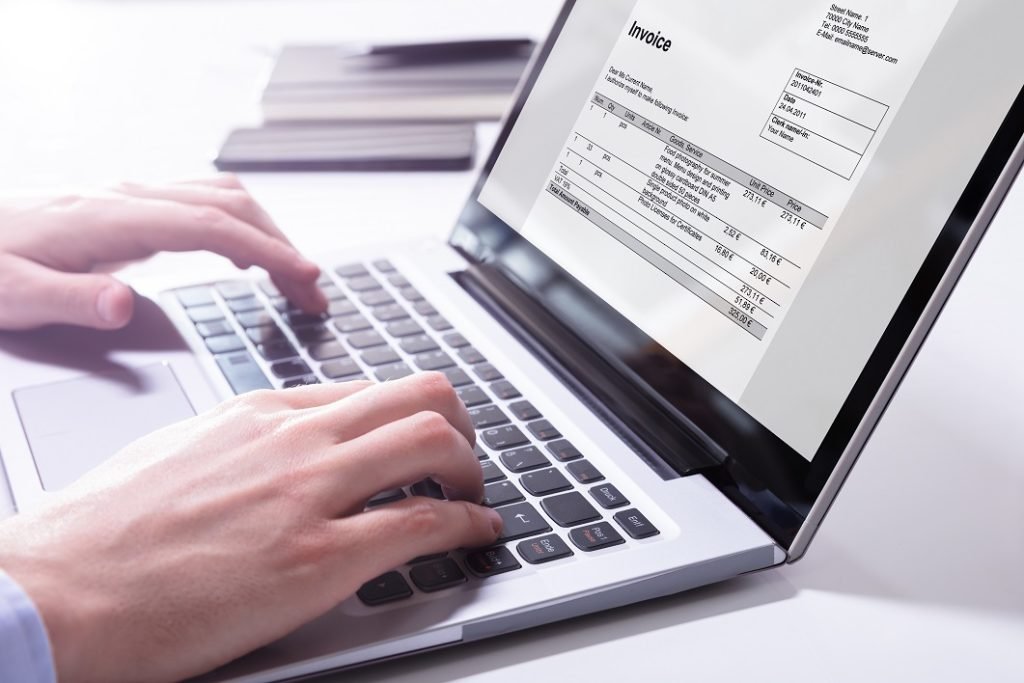
Through an ACH merchant account, a business can collect payments for products or servicesProducts and ServicesA product is a tangible item that is put on the market for acquisition, attention, or consumption while a service is an intangible item, which arises from directly from a customer’s bank account electronically. However, the payment must first be authorized by the customer, which is usually done through consent taken in various forms, such as acceptance of a website’s terms and conditions or a signed contract.
Summary
- E-check is a form of online payment that performs the same function as a paper check. It is processed in fewer steps and is more cost-efficient.
- E-checks are considered more secure than paper checks as they use components such as authentication and encryption.
- They use the Automated Clearing House (ACH) network to process payments.
How to Process Electronic Checks
The processing of electronic checks is similar to processing paper checks, but it is done faster. As the process is carried out online, paper, as well as time, is saved while transacting using e-checks.
Listed below are the steps involved in processing an electronic check:
- Requesting authorization: The payee needs to get authorization from the payer to make the transaction.
- Setting up the payment: Payment information is fed into the online payment processing software.
- Finalizing the payment: Once all the relevant details are entered, the information is submitted, and it starts the ACH transaction process.
- Payment confirmation and fund transfer: The payment is withdrawn from the payer’s bank account and is deposited in the payee’s bank account. It happens automatically, and a payment receipt is also sent to the payer. Funds usually take around 3-5 business days to transfer once the ACH transaction is initiated.

While ACH funds usually took 3-5 days in the past, the National Automated Clearinghouse Association (NACHA)National Automated Clearing House Association (NACHA)The National Automated Clearing House Association (NACHA) is in charge of administering, developing, and governing the ACH Network. that oversees ACH, now makes same day funding possible through new capabilities.
E-checks vs. Credit Card Payments
E-checks and credit card payments are processed in very different ways. E-check uses ACH for fund transfer and does not use the card networks. It leads to lower processing fees and can turn out to be very beneficial to businesses that deal with large payments or recurring payments.
E-checks vs. EFT vs. Wire Transfer
Electronic funds transfer (EFT) is a term that covers a range of electronic payments, including wire transferWire TransferWire transfer is the electronic transfer of funds between people or entities. It allows people in distant locations around the globe to safely transfer, electronic wallets, bank transfers, and so on. E-checks and ACH are basically types of EFT.
Wire transfers involve the movement of money from one bank account to another. However, wire transfers happen manually, one transaction at a time, whereas ACH takes place in batches. As such, wire transfers cost more than e-check transactions, and they, once initiated, cannot be reversed.
Businesses that Use E-check Payments
E-check payments enable a business to keep payments coming in as account numbers do not change as often as credit card numbers. The chances of payment failure are, therefore, less.
Types of businesses that use e-check payments:
- Subscription model businesses: As subscriptions are recurring in nature, e-checks make automatic payment and renewal of subscriptions extremely easy and convenient for businesses.
- Businesses that deal with large payments: As ACH is involved in the transfer of funds, middlemen involved in processing credit card payments are eliminated. High interchange fees are avoided by accepting e-check payments.
Security Used with E-check Payments
E-checks are more secure than conventional paper checks.
The major security components for e-check transactions are:
- Authentication: During authentication, the payments provider ensures that the account submitting the information is verified. Fraudulent payment information is, therefore, not submitted to the merchant.
- Encryption: All sensitive data is masked and therefore becomes irrelevant even if it is stolen. All ACH transactions are encrypted as they may take place over unsecured electronic networks.
- Public key cryptography: It is an extension of the encryption process and ensures that data is protected during transit. The public key helps to cipher the data.
- Digital signature: All the data contains digital signatures with timestamps to ensure that e-check transactions are not duplicated.
- Certificate authorities: Certificate authorities issue digital certificates that help protect information, facilitate encryption, and enable secure communication.
More Resources
CFI is the official provider of the Commercial Banking & Credit Analyst (CBCA)™Program Page - CBCAGet CFI's CBCA™ certification and become a Commercial Banking & Credit Analyst. Enroll and advance your career with our certification programs and courses. certification program, designed to transform anyone into a world-class financial analyst.
To keep learning and developing your knowledge of financial analysis, we highly recommend the additional resources below:
- Digital WalletDigital WalletA digital wallet refers to software, an electronic device, or an online service that enables individuals or businesses to make transactions
- How To Write A CheckHow to Write a CheckEven though digital payments are continually gaining more market share, it’s still important to know how to write a check. This guide shows you step by step
- Depository Trust and Clearing Corporation (DTCC)Depository Trust and Clearing Corporation (DTCC)The Depository Trust and Clearing Corporation (DTCC) is a US-based corporation that acts as a centralized clearing and settlement company for different
- Virtual CurrencyVirtual CurrencyVirtual currency is a type of unregulated digital currency. It is not issued or controlled by a central bank. Examples of virtual currencies include Bitcoin
-

Understanding Mortgage Disbursement Checks: What You Need to Know
What Is a Disbursement Check on a Mortgage? Most homeowners are used to sending money to their mortgage company, but rarely do they receive money back. However, certain circumstances may lead
-

Electronic Payments: Powering Global E-commerce Growth
In 2019, global online retail sales hit the 3 trillion-dollar mark. In 2020, e-retail became a lifeline for millions of people navigating lockdowns. Businesses throughout the world have had to rethi
finance
- Check Discounting Explained: Accessing Global Financing for Americans
- ACH Conversion in Banking: Benefits & How It Works
- Understanding Dishonored Checks: Causes, Consequences & Prevention
- Understanding Canceled Checks: What They Are & Why They Matter
- Electronic Money Explained: Types, Benefits & How It Works
- Electronic Payments Network (EPN): Your Guide to ACH Transactions
- Understanding Float in Banking: Definition & Impact
- Understanding Voucher Checks: Purpose, Use & Benefits
- Medical Payments Coverage: What It Is & How It Protects You
-
 Understanding Personal Checks: How They Work & Usage
Personal checks allow you to pay straight from your bank account. A personal check is a slip of paper that allows you to make payments from your bank account to companies or individuals. You ...
-
 Understanding Cleared Checks: What You Need to Know
What Is a Cleared Check? When you get your bank statement at the end of the month, you get a list of things that have come in and out of your account. These items include deposits, transactio...