
Shareholder Letter: Understanding Company Performance & Outlook
A shareholder letter is written by the executives of a company to its shareholders, providing a detailed overview of its operations and other material events that occurred during the year. The shareholder letter informs shareholders about the annual financial results for the past year, sales and earnings, changes in management, current market conditions, changes in the stock price, proposed plans, and other related matters that the shareholders should be aware of.

The letter offers top executives an opportunity to speak directly to the shareholders and brief them on the company’s operations and market conditions affecting the business from their perspective. Usually, a shareholder letter is published once a year, and it is included in the annual reportAnnual ReportAn annual report is a comprehensive report detailing a company’s activities throughout the preceding year. Its purpose is to provide users, such as provided to shareholders.
Summary
- A shareholder letter is written by the executives of a company to the shareholders, briefing them on its operations during the year.
- The shareholder letter covers the year’s financial results, market conditions, key achievements, challenges, and upcoming plans for the upcoming years.
- The management uses the shareholder letter to inform shareholders about material events affecting the company that occurred during the year.
Shareholder Letter Explained
Management uses the shareholder letter to share its achievements, challenges, financial results, upcoming events, and plans. It informs current and potential investors of the company’s progress for the year.
For existing shareholders, the letter helps them look forward to the future if the financials show a strong performance. The letter also gives the shareholders an outlook from the top executives, especially the CEOCEOA CEO, short for Chief Executive Officer, is the highest-ranking individual in a company or organization. The CEO is responsible for the overall success of an organization and for making top-level managerial decisions. Read a job description, and their ability to turnaround the company and increase shareholder value.
Potential shareholders use the shareholder letter as the first step towards understanding the companies they intend to invest in. It also serves to evaluate the reputation of the company’s executives and their ability to increase its profitability. However, since the shareholder letter is written to win the confidence of shareholders, the executives may intentionally exclude certain information that may paint the company in a negative way.
Therefore, potential investors should pay more attention to the audited financial results and perform an independent analysis to determine the company’s true position before making an investment decision. For example, investors can scrutinize Form 10-K10-KForm 10-K is a detailed annual report that is required to be submitted to the U.S. Securities and Exchange Commission (SEC). The filing provides a comprehensive summary of a company’s performance for the year. It is more detailed than the annual report that is sent to shareholders to analyze the company’s financial performance and verify the accuracy of statements and earnings reports mentioned in the shareholder letter.
Template of a Shareholder Letter
Introduction
The introductory part is the welcoming section of a shareholder letter, and it outlines a brief history of the company, its primary activity, core objectives, mission, and vision. The letter also includes a welcome note from the company’s CEO, and it provides an overview of key achievements and what investors should expect.
Financial Results
The financial results section is the most important part of the shareholder letter, and it highlights the company’s financial results during the past year. It breaks down the financial results by outlining the sales revenue and profits generated from the different branches or geographical locations where the company operates.
It also details the financial performance in terms of percentage to show how the company performed during the year compared to the preceding year. The executives may also share information relating to existing loans, capital utilization, and current market share.
Achievements
The shareholder letter also outlines the company’s key achievements during the year, such as new acquisitions, expansions to new markets, new product lines, increased stock price, innovations, inventions, and patents acquired. The management may outline the preceding year’s plans, such as expected new product lines and new branches, and the steps taken to accomplish the plans.
Market Conditions
Management uses the section to discuss the market conditions affecting the business environment during the year and how the company navigated through the tides. The management also shares the impacts of the prevailing market conditions on the company’s financials and the steps taken to strengthen its ability to withstand the effects.
Plans and Measures
The plans and measures section details the measures taken by the management to improve the companies overall performance and to increase its competitiveness in its industry. The executives also use the section to share insights into the company’s proposed plans for the upcoming year and the outcomes that they intend to achieve after fulfilling the plans.
Acknowledgment
Acknowledgment is the final section of the shareholder letter. The executive uses the section to appreciate all stakeholdersStakeholderIn business, a stakeholder is any individual, group, or party that has an interest in an organization and the outcomes of its actions. Common examples that make up the company, including the shareholders, employees, suppliers, creditors, etc.
Shareholder Letter vs. Quarterly Report
A shareholder letter and quarterly report are two different documents that firms publish and may include similar information. However, the two documents are different in the following ways:
A shareholder letter is written from the executives to the shareholders, and it provides a summary of the company’s performance and what to expect in the company’s reports. Companies use the shareholder letter to address issues that affect the company and the proposed plans for the upcoming years.
A quarterly report is a highly structured document that follows the guidelines provided by the Securities and Exchange Commission (SEC). It is also known as Form 10-QForm 10-QForm 10-Q is a report – required by the Securities and Exchange Commission (SEC) – that must be filed quarterly by all public companies. The form is similar to Form 10-K; however, it typically contains fewer details and the financial statements included are typically unaudited. Three quarterly Forms 10-Q must be filed each year, and it includes key financial statements and an overview of the company’s performance, such as sales revenue, profits, market share, etc.
Learn More
CFI is the official provider of the global Commercial Banking & Credit Analyst (CBCA)™Program Page - CBCAGet CFI's CBCA™ certification and become a Commercial Banking & Credit Analyst. Enroll and advance your career with our certification programs and courses. certification program, designed to help anyone become a world-class credit analyst. To keep advancing your career, the additional resources below will be useful:
- Earnings ReportEarnings ReportAn earnings report is an official financial document issued by a public company that shows expenses, earnings, and overall profit of the company for a
- Securities and Exchange Commission (SEC)Securities and Exchange Commission (SEC)The US Securities and Exchange Commission, or SEC, is an independent agency of the US federal government that is responsible for implementing federal securities laws and proposing securities rules. It is also in charge of maintaining the securities industry and stock and options exchanges
- Equity StatementEquity StatementAn equity statement – also referred to as a statement of owner’s equity or statement of changes in equity – is a financial statement that a
- ProspectusProspectusA prospectus is a legal disclosure document that companies are required to file with the Securities and Exchange Commission (SEC). The document provides information about the company, its management team, recent financial performance, and other related information that investors would like to know.
-
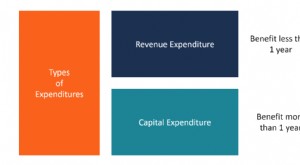
Understanding Expenditures: Definition and Types
An expenditure represents a payment with either cash or credit to purchase goods or services. An expenditure is recorded at a single point in time (the time of purchase), compared to an expenseAccrued
-
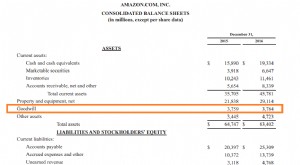
Goodwill in Accounting: Definition & Value
In accounting, goodwill is an intangible assetIntangible AssetsAccording to the IFRS, intangible assets are identifiable, non-monetary assets without physical substance. Like all assets, intangible as
finance
- Acquirer Definition: Understanding Corporate Acquisitions
- Activist Shareholders: Definition, Tactics & Impact
- Majority Shareholder: Definition, Rights & Implications
- Shareholders: Understanding Ownership and Dividends
- Shareholder Activism: Understanding Shareholder Activists and Their Tactics
- Understanding Your Company's Shareholder Base: A Comprehensive Guide
- Shareholder Yield: A Comprehensive Guide to Returns for Investors
- Stakeholders vs. Shareholders: Understanding the Key Differences
- Shareholder Value: Definition, Calculation & Importance
-
 Understanding Net-Net: A Financial Health Indicator
Net-net is a term used for a company with a market capitalization that is less than the difference between the company’s current assets and total liabilities. The equation does not consider long...
-
 EBITA Explained: Understanding Earnings Before Interest, Taxes, and Amortization
EBITA is an acronym that refers to the earnings of a company before interest, tax, and amortization expenses are deducted. Investors use EBITA as an indicator to measure the profitability and efficien...