
Understanding the FHA Appraisal Clause: A Homebuyer's Guide

The Department of Housing and Urban Development's Federal Housing Administration insures mortgages for lower-income homebuyers. This insurance gives the lender confidence to offer more terms that are more advantageous to the buyer, such as low closing costs and a smaller down payment.
The FHA has a form for the lender to provide to the borrower that informs the borrower of the appraised value of the home he's buying. If the lender doesn't provide that form to the borrower before he signs the sales contract, an amendatory clause must be included in the sales contract. The appraised value in turn determines the maximum mortgage amount HUD will insure. HUD doesn't require an amendatory clause in some circumstances, such as when the seller or lender is a federal, state or local government agency.
The clause states that if the buyer doesn't receive a written statement setting the appraised value of the home as at least the same amount as the sale price stated in the contract, he can cancel the contract without any penalties. The buyer also has the option of signing the contract and going through with the sale regardless of the appraised value of the home.
If the appraised value turns out to be less than the sales price, the buyer and lender may agree to lower the sales price. In this case, a new amendatory clause isn't required, but they must include the original contract in the package of documents that accompany the revised contract.
-
Equity Swap Contracts: Definition, Mechanics & Applications
An equity swap contract is a derivative contract between two parties that involves the exchange of one stream (leg) of equity-based cash flows linked to the performance of a stock or an equity indexDo
-

Forward Contracts: Definition, How They Work & Examples
A forward contract, often shortened to just forward, is a contract agreement to buy or sell an assetAsset ClassAn asset class is a group of similar investment vehicles. They are typically traded in th
home finance
- FHA Plus Loan: Reduce Closing Costs & Homeownership in Virginia
- Buyer Closing Delays: What Happens to the Home Sale?
- Mortgage Reinscription in Louisiana: What You Need to Know
- Navigating the Home Buying Process: Steps After Contract Signing
- Understanding Mortgage Clauses: Protecting Lender Interests
- FHA Form 92900-A: Understanding Loan Certification
- Redemption Rights Clause: Protecting Property During Foreclosure
- Variable Prepaid Forward Contracts: Tax-Efficient Stock Sales Explained
- Understanding the Completed Contract Method: Revenue Recognition Explained
-
 Bail-In Clauses: Understanding Their Role in Financial Stability
A bail-In clause is used in times of bankruptcyBankruptcyBankruptcy is the legal status of a human or a non-human entity (a firm or a government agency) that is unable to repay its outstanding de...
-
 Current Ratio: Definition, Calculation & Financial Health
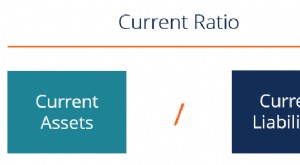
The current ratio, also known as the working capitalNet Working CapitalNet Working Capital (NWC) is the difference between a companys current assets (net of cash) and current liabilities (net of debt)...