
Understanding Commodities: A Beginner's Guide to Investing
Commodities are another class of assets just like stocks and bondsBondsBonds are fixed-income securities that are issued by corporations and governments to raise capital. The bond issuer borrows capital from the bondholder and makes fixed payments to them at a fixed (or variable) interest rate for a specified period.. Most commodities are products that come from the earth that possess uniform quality, are produced in large quantities, and by many different producers.
Major commodities include cotton, oil, gas, corn, wheat, oranges, gold, and uranium. Basically, they are the raw materials needed by large manufacturing companies in running their businesses.
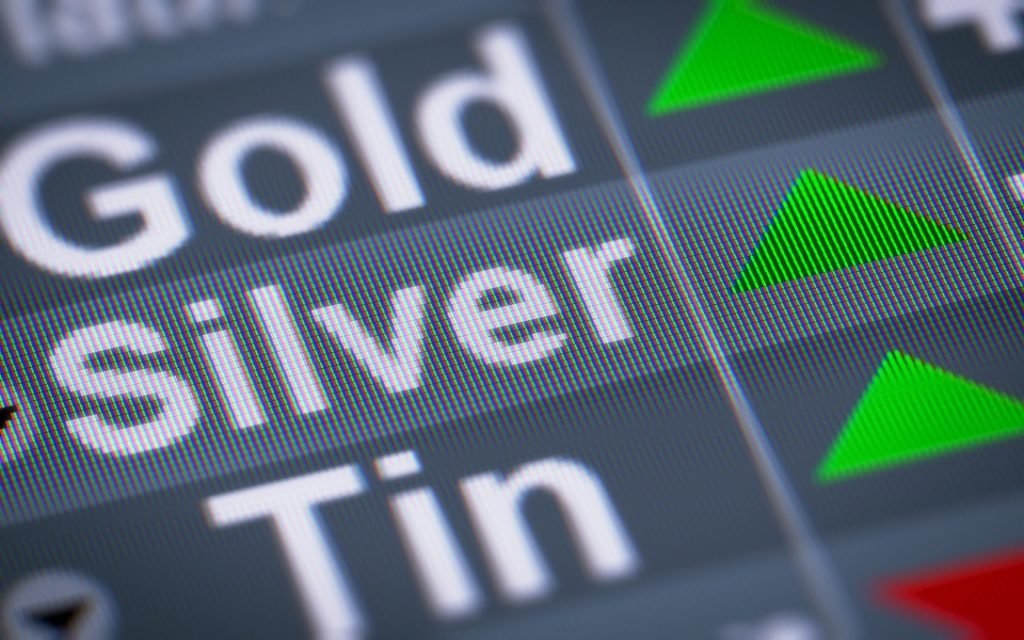
It is believed that commodities of the same type can be interchanged for as long as they are of the same grade. For example, a company that manufactures chocolates can buy cocoa produced in Ghana or in Cameroon, still producing the same quality of chocolates.
Types of Commodities
1. Agricultural
Agricultural commodities are those such as coffee, corn – an important source of food for livestock and humans, sugar, soybeans – whose oil is used for making crackers, breads, cakes, and cookies, and wheat – one of the most important food crops in the world.
2. Energy
Energy commodities include crude oil used in transportation activities and production of plastics, natural gas used for electricity generation, and gasoline, which powers light-duty trucks and cars.
3. Metals
Metals include gold, used in making jewelry; silver, also used for jewelry and many other industrial uses as well; and copper, the most widely used form of electrical wiring.
How are Commodities Traded?
Most commodities are traded on commodities exchanges, which include the New York Mercantile Exchange (NYMEX)New York Mercantile Exchange (NYMEX)The New York Mercantile Exchange (NYMEX) is a commodity futures exchange located in Manhattan, New York City. It is owned by CME Group, one of the largest, the Chicago Mercantile Exchange, the Chicago Board of Options Exchange (CBOE), the Kansas City Board of Trade, the Minneapolis Grain Exchange, and the Chicago Board of Trade (CBOT).
Investors may opt for indirect exposure through stocks, exchange-traded fundsExchange Traded Fund (ETF)An Exchange Traded Fund (ETF) is a popular investment vehicle where portfolios can be more flexible and diversified across a broad range of all the available asset classes. Learn about various types of ETFs by reading this guide., and mutual funds.
Differentiated Products
Commodities and differentiated products are both traded in the commodity markets, but they differ in a few ways, as discussed below.
Commodities are interchangeable, and every kind is the same regardless of their source. This means that crude oil from one producer is the same crude oil from another producer. The goods can be combined without affecting the quality of the commodity.
Differentiated products, on the other hand, are unique products or those that are not like the generic version of the products. For example, regular gasoline is priced in the same way across all oil companies. However, if they produce high-octane gasoline, the product becomes better than what the competitors are selling.
Related Readings
CFI offers the Financial Modeling & Valuation Analyst (FMVA)™Become a Certified Financial Modeling & Valuation Analyst (FMVA)®CFI's Financial Modeling and Valuation Analyst (FMVA)® certification will help you gain the confidence you need in your finance career. Enroll today! certification program for those looking to take their careers to the next level. To keep learning and advancing your career, the following resources will be helpful:
- CFD TradingCFD TradingCFD (Contracts for Difference) trading is increasingly popular with experienced investors, but anyone can try it. Most online trading platforms offer contracts for difference trading options to their customers. It is a potentially high-risk strategy, but so long as you understand how CFD trading works,
- Guide to Commodity Trading SecretsGuide to Commodity Trading SecretsSuccessful commodity traders know the commodity trading secrets and distinguish between trading different types of financial markets. Trading commodities is different from trading stocks.
- Options: Puts and CallsOptions: Calls and PutsAn option is a derivative contract that gives the holder the right, but not the obligation, to buy or sell an asset by a certain date at a specified price.
- SpeculationSpeculationSpeculation is the buying of an asset or financial instrument with the hope that the price of the asset or financial instrument will increase in the future.
-

Trading Strategies: A Comprehensive Guide to Profitable Investing
A trading strategy is a fixed plan for buying and selling securities designed to generate a profitable return on the investments. It should be objective, consistent, quantifiable, and verifiable. The
-
Wash Trading: Definition, Risks & How It Impacts Markets
Wash trading – also referred to as round trip trading – is an illegal practice where investors buy and sell the same financial instrumentsMarketable SecuritiesMarketable securities are unr
invest
- Understanding Algorithms: A Guide to Algorithmic Trading
- Automated Trading Systems: A Comprehensive Guide
- CFD Trading Explained: A Comprehensive Guide for Investors
- Understanding Commodities: Hard vs. Soft - Definitions & Examples
- Trading Assets: Definition, Types & How They Work
- Understanding Trading Instruments: A Comprehensive Guide
- Trading Securities: Definition, Types & Short-Term Investment Strategies
- Commodities Explained: A Beginner's Guide to Investing
- Crypto Trading Signals: A Comprehensive Guide for Informed Decisions
-
 Understanding Trading Sessions: Hours & Global Markets
A trading session refers to the active trading hours of an asset or a given locale. Usually, different markets follow different trading hours, and a single trading day of a market is the trading sessi...
-
 Trading Software: A Comprehensive Guide for Traders
Trading software are computer programs that traders use to trade and analyze financial products such as currencies, stocks, bonds, and derivatives over a network with a financial intermediaryFinancial...