
Understanding Fixed Income Securities: A Comprehensive Guide
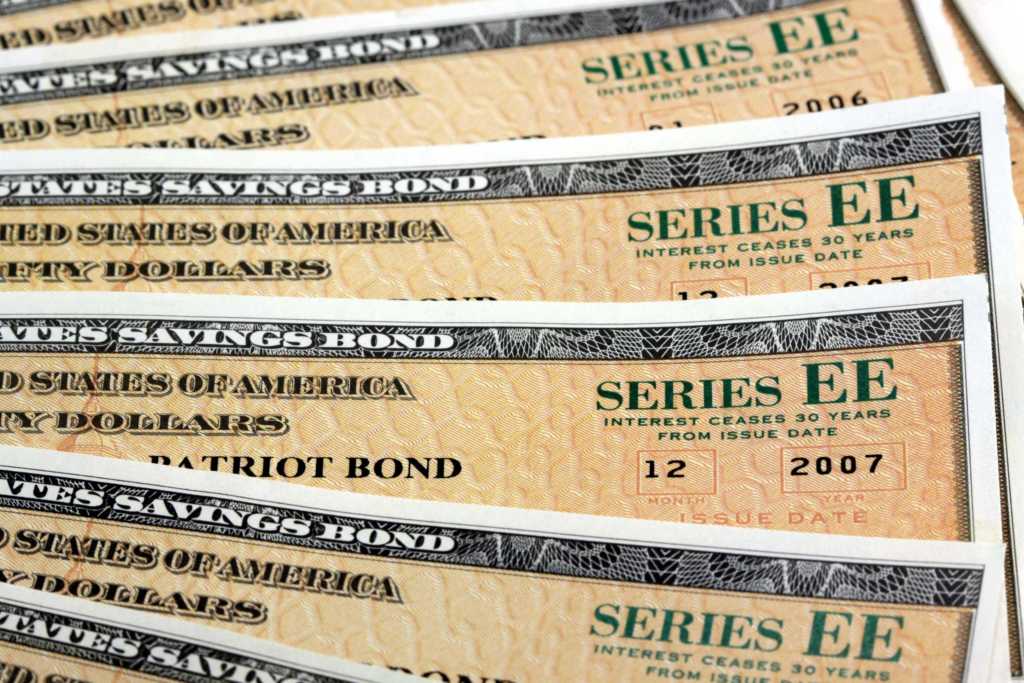
Fixed income securities are a type of debt instrument that provides returns in the form of regular, or fixed, interest payments and repayments of the principal when the security reaches maturity. The instruments are issued by governments, corporations, and other entities to finance their operations. They differ from equity, as they do not entail an ownership interest in a company, but they confer a seniority of claim, as compared to equity interests, in cases of bankruptcyBankruptcyBankruptcy is the legal status of a human or a non-human entity (a firm or a government agency) that is unable to repay its outstanding debts or default.
How Does Fixed Income Work?
The term fixed income refers to the interest payments that an investor receives, which are based on the creditworthiness of the borrower and current interest rates. Generally speaking, fixed income securities such as bonds pay a higher interest, known as the couponBond PricingBond pricing is the science of calculating a bond's issue price based on the coupon, par value, yield and term to maturity. Bond pricing allows investors, the longer their maturities are.
The borrower is willing to pay more interest in return for being able to borrow the money for a longer period of time. At the end of the security’s term or maturity, the borrower returns the borrowed money, known as the principal or “par value.”
Examples of Fixed Income Securities
Many examples of fixed income securities exist, such as bonds (both corporate and government), Treasury Bills, money market instruments, and asset-backed securities, and they operate as follows:
1. Bonds
The topic of bondsFixed Income Bond TermsDefinitions for the most common bond and fixed income terms. Annuity, perpetuity, coupon rate, covariance, current yield, par value, yield to maturity. etc. is, by itself, a whole area of financial or investing study. In general terms, they can be defined as loans made by investors to an issuer, with the promise of repayment of the principal amount at the established maturity date, as well as regular coupon payments (generally occurring every six months), which represent the interest paid on the loan. The purpose of such loans ranges widely. Bonds are typically issued by governments or corporations that are looking for ways to finance projects or operations.
2. Treasury Bills
Considered the safest short-term debt instrument, Treasury bills are issued by the US federal government. With maturities ranging from one to 12 months, these securities most commonly involve 28, 91, and 182-day (one month, three months, and six months) maturities. These instruments offer no regular coupon, or interest, payments.
Instead, they are sold at a discount to their face value, with the difference between their market price and face value representing the interest rate they offer investors. As a simple example, if a Treasury bill with a face value, or par value, of $100 sells for $90, then it is offering roughly 10% interest.
3. Money Market Instruments
Money market instruments include securities such as commercial paper, banker’s acceptances, certificates of deposit (CD), and repurchase agreements (“repo”). Treasury bills are technically included in this category, but due to the fact that they are traded in such high volume, they have their own category here.
4. Asset-Backed Securities (ABS)
Asset-backed Securities (ABS) are fixed income securities backed by financial assets that have been “securitized,” such as credit card receivables, auto loans, or home-equity loans. ABS represents a collection of such assets that have been packaged together in the form of a single fixed-income security. For investors, asset-backed securities are usually an alternative to investing in corporate debt.
Risks of Investing in Fixed Income Securities
Principal risks associated with fixed-income securities concern the borrower’s vulnerability to defaulting on its debt. Such risks are incorporated in the interest or coupon that the security offers, with securities with a higher risk of default offering higher interest rates to investors.
Additional risks include exchange rate riskCurrency RiskCurrency risk, or exchange rate risk, refers to the exposure faced by investors or companies that operate across different countries, in regard to unpredictable gains or losses due to changes in the value of one currency in relation to another currency. for securities denominated in a currency other than the US dollar (such as foreign government bonds) and interest rate risk – the risk that changes in interest rates may reduce the market value of a fixed-income security that an investor holds.
For example, if an investor holds a 10-year bond that pays 3% interest, but then later on interest rates rise and new 10-year bonds being issued offer 4% interest, then the bond the investor holds that pays only 3% interest becomes less valuable.
Related Readings
CFI offers the Financial Modeling & Valuation Analyst (FMVA)™Become a Certified Financial Modeling & Valuation Analyst (FMVA)®CFI's Financial Modeling and Valuation Analyst (FMVA)® certification will help you gain the confidence you need in your finance career. Enroll today! certification program for those looking to take their careers to the next level. To keep learning and advancing your career, the following resources will be helpful:
- Investing: A Beginner’s GuideInvesting: A Beginner's GuideCFI's Investing for Beginners guide will teach you the basics of investing and how to get started. Learn about different strategies and techniques for trading
- Projecting Income Statement Line ItemsProjecting Income Statement Line ItemsWe discuss the different methods of projecting income statement line items. Projecting income statement line items begins with sales revenue, then cost
- Accounting for Income TaxesAccounting For Income TaxesIncome taxes and their accounting is a key area of corporate finance. There are several objectives in accounting for income taxes and optimizing a company's valuation.
- Interest PayableInterest PayableInterest Payable is a liability account shown on a company’s balance sheet that represents the amount of interest expense that has accrued
-

Negative Interest Rates Explained: Impact & Implications
You might have heard the term 'negative interest rates', but what do they actually mean? And how do negative interest rates affect the economy? Here's everything you need to know about
-
Understanding Fixed Income: A Comprehensive Guide
Fixed income securities pay investors a fixed or defined level of income at specified intervals. When the security matures, the investor receives the face value of the security. These are often bonds,
invest
- Understanding Fixed Income Interest Rate Risk: A Comprehensive Guide
- Understanding Interest Income: A Comprehensive Guide
- Understanding Distressed Securities: Risks & Opportunities
- Fixed Income Portfolio: Definition, Types & Benefits
- Understanding Fixed Income Portfolio Mandates: A Comprehensive Guide
- Hybrid Securities: A Comprehensive Guide to Balanced Investments
- Income Stocks: A Guide to Dividend Investing
- Non-Marginable Securities: Definition & Investing Implications
- Securities Explained: A Beginner's Guide to Stocks, Bonds & More
-
 Trading Securities: Definition, Types & Short-Term Investment Strategies
Trading securities are securities purchased by a company for the purpose of realizing a short-term profit. Companies do not intend to hold such securities for a long period of time; thus, they will on...
-
Fixed Income ETFs: A Beginner's Guide to Lower-Risk Investing
Fixed income ETF investment is a strategy for lower-risk investors on a fixed income. ETFs, or exchange traded funds, track an index of investments as they trade. The total value of the ETF...