
Understanding Horizontal Spreads in Options Trading
A horizontal spread is a type of options spread that involves buying the same underlying stocks at the same price, but with different expiration duration. The strategy helps the traderThe Winning Mindset of a TraderBeing a master trader is not just about formulating better strategies and analysis but is also about developing a winning mindset. earn a profit from the price fluctuation of short-term events or the changes in volatility over time. It is achieved by buying options in the long term and selling them in the near term.
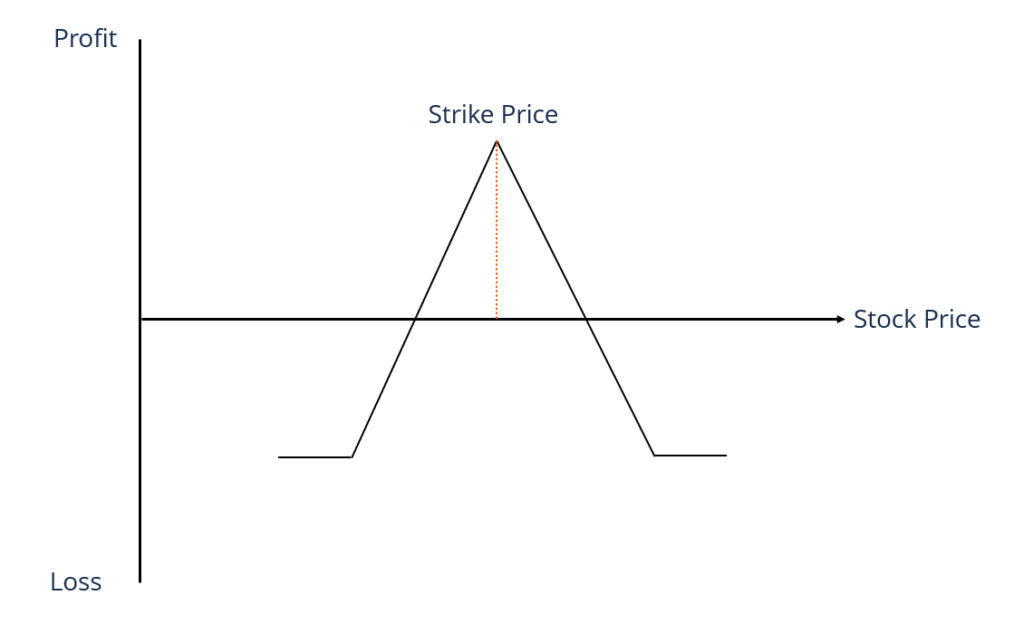
The transaction creates a debit in the trader’s account, and it means that the money paid for the transaction is the maximum loss. The trader cannot incur additional losses even if the price of the underlying stock increases double fold or decreases to zero.
With horizontal spreads, the trader is aware of the level of risk involved in the trade from the start. Unlike a horizontal spread, a vertical spread involves buying the same underlying asset at the same price with different prices.
Summary
- A horizontal spread is an options trading strategy that involves buying the same underlying asset at the same price but with a different expiration date.
- The strategy offers profits from changes in the volatility of the price of the underlying stock from short-term events.
- The trader profits from price volatility or price fluctuations of short-term events.
How It Works
When creating a horizontal spread, first ensure that the trading platform allows multi-leg orders. Start by identifying the options contract to buy, and sell a similar contract but with a different expiration date. The two options contracts share similar characteristics, and they are only separated by their expiration date. The contracts create a difference in time, which is accounted for as time value, which is the time difference between the two contracts.
Since volatilityVolatilityVolatility is a measure of the rate of fluctuations in the price of a security over time. It indicates the level of risk associated with the price changes of a security. Investors and traders calculate the volatility of a security to assess past variations in the prices and time value are highly connected in options pricing, the horizontal spreads minimize the effect of time, and it provides an opportunity to gain from the increased volatility over time. A short spread is created by buying in the near term and selling in the long term. The strategy helps traders profit from decreased volatility – long-term trade exploits short-term and long-term options when time value and volatility change.
When to Use Horizontal Spread
The returns of a horizontal spread are based on volatility. Volatility measures the change in the stock price over time. The stock price is said to be highly volatile if there are wild price movements. If the stock price stays close to the same price over a period of time, it is said to lack volatility.
If a trader opens a short horizontal spread, they will earn a return with decreased volatility. Therefore, the trader is said to buy in the short term, and sell the stock in the distant future. In the long horizontal spread, the trader will earn a return with increased volatility in the stock price.
Longer-term options serve to offset losses if the stock price breaks out strongly. For example, if the price of the underlying stock changes suddenly in a horizontal spread, the losses from the short-term options will offset the gain in the long-term option. Similarly, if the stock price breaks out strongly in the other direction, the gains earned in the short-term options may not be adequate to cover the loss in the long-term option, and it may result in a net loss.
Types of Horizontal Spread
Horizontal spreads stem from the difference in time expiration between short-term options and long-term options. It explains why horizontal spreads are sometimes referred to as calendar spreadsCalendar SpreadA calendar spread involves the buying of a derivative of an asset in one month and selling a derivative of the same asset in another month..
The main types of horizontal spreads include:
1. Call Horizontal Spreads
Call horizontal spreads is a neutral strategy where the trader gains when the price of the underlying asset remains stagnant. The trader gains with the time decay between the near-term and the distant-term options. The strategy utilizes call options; it is sometimes known as a calendar call spread.
2. Put Horizontal Spreads
Put horizontal spreads is also a neutral options strategy that gains when the price of the underlying asset remains stagnant or decreases by a small margin. The strategy uses put options, and it is sometimes known as calendar put spread.
Benefits of Horizontal Spread
- Time decay: Time decay favors the trader when selling an option. Short-term options come with a higher time decay compared to long-term options, and it results in a positive return for the trade.
- Reduced risk: A horizontal spread involves buying options in the long term and selling them in the short term. It creates a debit, and the money paid is the maximum loss. Even if the price of the underlying stock doubles or goes down to zero, the trader cannot incur any more losses. Therefore, the trader’s loss is limited.
Drawback of Horizontal Spread
Higher commissions: The trader incurs increased commissions due to the extra trade activities of buying and writing options contracts.
Related Readings
CFI is the official provider of the Capital Markets & Securities Analyst (CMSA)™Program Page - CMSAEnroll in CFI's CMSA® program and become a certified Capital Markets &Securities Analyst. Advance your career with our certification programs and courses. certification program, designed to transform anyone into a world-class financial analyst.
To keep learning and developing your knowledge of financial analysis, we highly recommend the additional resources below:
- Call OptionsCall OptionA call option, commonly referred to as a "call," is a form of a derivatives contract that gives the call option buyer the right, but not the obligation, to buy a stock or other financial instrument at a specific price - the strike price of the option - within a specified time frame.
- Expiration DateExpiration Date (Derivatives)The expiration date refers to the date in which options or futures contracts expire. It is the last day of the validity of the derivatives contract.
- Options: Calls and PutsOptions: Calls and PutsAn option is a derivative contract that gives the holder the right, but not the obligation, to buy or sell an asset by a certain date at a specified price.
- Credit SpreadCredit SpreadCredit spread is the difference between the yield (return) of two different debt instruments with the same maturity but different credit ratings.
-

Understanding Forex Spreads: A Comprehensive Guide for Traders
If you are planning on getting involved in the Forex market, be sure that you understand what a Forex spread and what it means to you as a trader. Here are the basics of the Forex spread. Forex
-
Understanding Clearing Prices in Stock Trading: A Comprehensive Guide
Clearing price is a term that is often used in the stock market. If you plan on trading the market, you need to understand what the clearing price is and how it affects you as an investor. Bid a
invest
- Bid-Ask Spread
- Bear Put Spread: Definition, Strategy & Risk Management
- Box Spread Options Strategy: Definition & How It Works
- Understanding Divergence in Technical Analysis: A Guide
- Understanding Forward Prices: Definition & How They Work
- Understanding Hedging Strategies: A Comprehensive Guide
- Understanding Horizontal Channels in Trading: A Comprehensive Guide
- Understanding Horizontal Lines in Technical Analysis & Geometry
- Understanding Vertical Spreads: A Beginner's Guide
-
 What is Price Fixing?
Price fixing refers to an agreement between market participants to collectively raise, lower, or stabilize prizes to control supply and demandSupply and DemandThe laws of supply and demand are microec...
-
 Price Skimming: Definition, Strategy & When to Use It
Price skimming, also known as skim pricing, is a pricing strategy in which a firm charges a high initial price and then gradually lowers the price to attract more price-sensitive customers. The pricin...