
Understanding Trading Psychology: Mastering the Mental Game
Trading psychology refers to the mental state and emotions of a trader that determines the success or failure of a trade. It represents the aspects of a trader’s behavior and characteristics that influence the actions they take when trading securities.
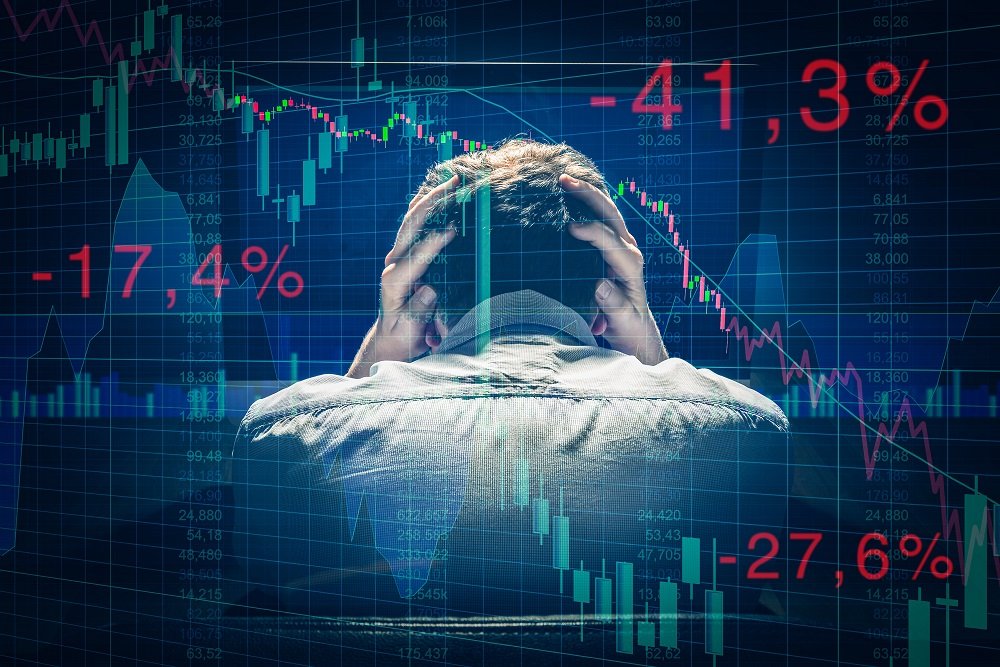
While other aspects – such as experience and trading knowledge – affect the success of a trader, trading psychology is an important factor that can make or break a trade. Some of the emotions and feelings that traders experience are helpful, while other emotions such as nervousness, fear, and greed can hurt trading success and should, therefore, be contained.
Traders who understand trading psychology will generally avoid making decisions based on emotions or biases. It can help them stand a better chance of earning a profit during a trade, or in the worst-case scenario, minimize the extent of their losses.
Summary
- Trading psychology refers to the emotional component of a trader’s decision-making process that determines the success or failure of a trade.
- It is associated with specific emotions and behaviors, such as fear and greed among traders.
- Traders well-versed with trading psychology will generally not act out of fear, bias, or other emotions and stand a better chance of earning a profit during a trade.
Basics of Trading Psychology
Trading psychology is different for each trader, and it is influenced by the trader’s emotions and biases. The two main emotions that are likely to impact the success or failure of a trade are greed or fear.
Greed is defined as the excessive desire for profits that could affect the rationality and judgment of a trader. A greed-inspired trade may involve buying stocks of untested companies because they are on the rise or buying shares of a company without understanding the underlying investment.
Greed can also make a trader stay in a position for too long in an attempt to squeeze every event out of the trade. It is common at the end of a bull marketBull vs BearThe term bull vs. bear denotes the ensuing trends in stock markets – whether they are appreciating or depreciating in value – and what is the when traders attempt to take on risky and speculative positions to profit from the market movements.
On the other hand, fear is the opposite of greed and the reason why people exit a trade prematurely or refrain from taking on risky positions due to concerns of incurring losses. Fear makes investors act irrationally as they rush to exit the trade. It is common during bear markets, and it is characterized by significant selloffs from panic-selling.
Fear and greed play an important role in a trader’s overall strategy, and understanding how to control the emotions is essential in becoming a successful trader.
How Bias Affects Trading
Bias is defined as a predetermined disposition of one position over another. Usually, when the trader is biased, it can hinder proper decision-making when trading because it can prevent a proper judgment. The trader may end up acting on emotions rather than on fundamental analysisFundamental AnalysisIn accounting and finance, fundamental analysis is a method of assessing the intrinsic value of a security by analyzing various macroeconomic and microeconomic factors. The ultimate goal of fundamental analysis is to quantify the intrinsic value of a security..
A trader is likely to trade an asset or currency they’ve experienced success with in the past or avoid an asset with a history of loss. Understanding such biases can help traders overcome them and act with a calculated mindset.
The key types of biases that affect trading include:
1. Negativity bias
Negativity bias makes a trader more inclined to the negative side of a trade instead of considering both the positive and negative sides of a trade. The impact of such a bias is that a trader could forego an entire strategy because of the negative aspect when they only need to make a small adjustment to the strategy to turn the trade into a profit.
2. Gambler’s fallacy
The gambler’s fallacy is defined as an erroneous belief that a particular event is less likely or more likely to occur because of past events when it’s been established that the probability of such events occurring does not depend on the previous events. In such a case, a trader may assume that because a specific currency’s been gaining, the trend will continue.
3. Status quo bias
The status quo bias occurs when a trader assumes that old trades or strategies will continue being relevant in the current market. The danger of such an assumption is that the trader does not explore new opportunities that are relevant in the current market, and it can potentially lock them out of more viable trades and strategies.
Improving Trading Psychology
Traders can improve their trading psychology by identifying their own emotions, biases, and traits that can determine a trade’s success or failure. Here are some methods that traders can use to improve trading psychology:
1. Identify personality traits
A trader should identify personality traits early enough and plan how to overcome the negative traits when actively trading so they do not make decisions without a solid technical analysisTechnical Analysis - A Beginner's GuideTechnical analysis is a form of investment valuation that analyses past prices to predict future price action. Technical analysts believe that the collective actions of all the participants in the market accurately reflect all relevant information, and therefore, continually assign a fair market value to securities.. Equally, traders should identify the positive traits that can help them make calculated moves during their time on the market.
2. Create a trading plan
A trading planTrading PlanA trading plan refers to a systematic approach used to identify and trade securities based on several variables, like investment objectives serves as a blueprint to your trading, and it should highlight the goals that the trader intends to achieve, the risk-reward ratio, and the trading strategy that they are most comfortable with.
For example, the trader can commit specific trading durations every day, set profit targets, and set a stop loss to scrap emotions out of the process. When creating a trading plan, traders should consider specific factors such as emotions and biases that can affect their ability to stick to the plan.
3. Conduct research
Before investing in a stock, technology, or company, traders should devote enough time researching and reviewing the opportunities. They should be on top of the news, study charts, read trade journals, and perform industry analysis.
Where possible, traders should attend webinars, trading seminars, and conferences to share and interact with other traders and finance professionals.
More Resources
CFI offers the Capital Markets & Securities Analyst (CMSA)®Program Page - CMSAEnroll in CFI's CMSA® program and become a certified Capital Markets &Securities Analyst. Advance your career with our certification programs and courses. certification program for those looking to take their careers to the next level. To keep learning and advancing your career, the following resources will be helpful:
- Confirmation BiasConfirmation BiasConfirmation bias is the tendency of people to pay close attention to information that confirms their belief and ignore information that contradicts it. This is a type of bias in behavioral finance that limits our ability to make objective decisions.
- Emotional IntelligenceEmotional IntelligenceEmotional intelligence also known as the emotional quotient (EQ) is the ability to manage one's emotions and the emotions of others. For
- Fear and Greed IndexFear and Greed IndexThe Fear and Greed Index, developed by CNNMoney, is used to gauge whether investors are too bullish or bearish on the stock market. The index
- Six Essential Skills of Master TradersSix Essential Skills of Master TradersJust about anyone can become a trader, but to be one of the master traders takes more than investment capital and a three-piece suit. Keep in mind: there is a sea of individuals looking to join the ranks of master traders and bring home the kind of money that goes with that title.
-

Understanding Trading Sessions: Hours & Global Markets
A trading session refers to the active trading hours of an asset or a given locale. Usually, different markets follow different trading hours, and a single trading day of a market is the trading sessi
-
Trading Software: A Comprehensive Guide for Traders
Trading software are computer programs that traders use to trade and analyze financial products such as currencies, stocks, bonds, and derivatives over a network with a financial intermediaryFinancial
invest
- Carbon Trading Explained: A Guide to Emission Trading Schemes
- CFD Trading Explained: A Comprehensive Guide for Investors
- Floor Trader (FT): Definition, Role & Strategies
- Head Trader: Definition, Role & Responsibilities
- Pairs Trading: A Comprehensive Guide to Profiting in Any Market
- Position Trading: A Comprehensive Guide for Long-Term Investors
- The Trader's Mindset: Key to Successful Trading
- Understanding Trading Volume: A Key Market Indicator
- Forex Scalping: A Comprehensive Guide to High-Frequency Trading
-
 Trading Plan: A Comprehensive Guide to Successful Trading
A trading plan refers to a systematic approach used to identify and trade securities based on several variables, such as investment objectives, risks, and time. A trading plan lays out procedures and ...
-
 Understanding Trading Psychology: Mastering the Mental Game
Trading psychology refers to the mental state and emotions of a trader that determines the success or failure of a trade. It represents the aspects of a trader’s behavior and characteristics tha...