
SEC Regulation D: Private Placement Rules for Small Businesses
The SEC added Regulation D under the Securities Act of 1933. The purpose of this regulation is to allow small, private companies the advantage of offering equity without listing on the public market. When a company lists shares on the public market, it must undergo a large amount of regulatory and compliance initiatives, which is enough to exclude a number of smaller companies from taking the step. Through Regulation D, small companies can offer a limited amount of equity through private placement to interested investors.
Public Listing
Listing publicly is a big step in any company's trajectory. At this juncture, the company begins to open up shares to investors, bringing in high amounts of capital. However, with this step, the company opens itself up to regulation. The regulations imposed by the SEC are designed to protect investors. These laws ensure the company is following accounting principles, sharing necessary information with investors, and operating in an ethical and legal fashion. Many companies would prefer to continue to operate without this type of regulation. This would cause them to forego public listing and remain privately operated.
Private Placement
Private placement has always been a difficult option for a company to pursue. When a company wishes to take on an investor without listing publicly, it must seek out that opportunity by contacting hedge funds, venture capitalists and other private interest groups. This process can be as difficult as the process to obtain start up financing. Through Regulation D, the SEC essentially created a secondary open market where private companies could list unique opportunities. To participate in these options, investors must be categorized as institutional or otherwise sophisticated. This protects investors with low levels of knowledge or funding from getting involved in opportunities that have not been highly regulated.
Regulation D Requirements
Even though listing through Regulation D requires less regulation than listing publicly, it is not free of its own regulation. To list under this special provision, a company must still provide compliance forms and accounting transparency. A company should be prepared to undergo a level of scrutiny from the SEC, and this scrutiny can be costly. On the whole, though, a company will save money with private placement over listing publicly. Further, the company will protect itself from the liabilities of the public market. These liabilities in themselves can be costly in terms of insurance, lawsuit and compliance.
Regulation D Pros and Cons
There are many ups and downs to listing through Regulation D, but they can be summed up very simply. If you want to entice a large offer for equity but do not want to go through the SEC's compliance loops, Regulation D is a good option. However, if you think you will want to continually offer equity in order to grow your business, you will have to list publicly eventually. Doing this when you are still relatively small can make the listing process much more straightforward. If you know you will want to go public in the future, considering the option when you are still small can be advantageous.
-

Understanding the Dot-Com Bubble: Causes, Impact & Lessons Learned
The dotcom bubble is a stock market bubble that was caused by speculation in dotcom or internet-based businesses from 1995 to 2000. The companies were largely those with a “.com” domain on
-

Understanding the Dow Divisor: How It Impacts the DJIA
The Dow divisor, in simple terms, is a number used to help calculate the Dow Jones Industrial Average (DJIA)Dow Jones Industrial Average (DJIA)The Dow Jones Industrial Average (DJIA), also referred to
invest
- Benefits of Stock Market Listing: Fueling Growth & Capital
- SEC & Cryptocurrency: Understanding the Regulatory Landscape
- Dow 30 Explained: Understanding the Dow Jones Industrial Average
- Rule of 72: Calculate Investment Doubling Time | [Your Brand Name]
- Understanding SEC Yield: A Guide for Bond Investors
- SEC Explained: Your Guide to the U.S. Securities Regulator
- BlockFi Cease-and-Desist: Crypto Regulation Challenges & What They Mean
- Understanding Mutual Fund Prospectuses: A Guide for Investors
- Understanding IPOs: Why Companies Go Public in India
-
 Understanding the Call Market: Trading Hours & Price Determination
The call market refers to a market where trading does not take place continuously, but only at specified times during the trading day. Prices are dictated by the exchange rather than by bids and offer...
-
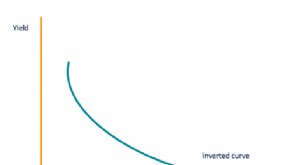 Understanding the Credit Curve: A Guide for Investors
The credit curve is the graphical representation of the relationship between the return offered by a security (credit-generating instrument) and the time to maturity of the security. It measures the i...