
Fundamental Analysis: Two Key Models for Stock Valuation
Fundamental Analysis is a method of evaluating the actual value of a particular stock by evaluating the company it represents. Determining if the stock is undervalued, or overvalued, can make a huge difference in how it will preform in the future. Both of the methods discussed here are important to give the investor a true picture of the potential investment. They should always be used together.
The Quantitative Method:
The quantitative method deals with how a company is doing on paper. It is a deep study of a company's strengths and weakness. It is based on the actual numbers and uses flow charts, profit and loss, etc to calculate the value of stock. The idea is to define clearly if a company is profitable and likely to stay that way. This process can take a bit of detective work as well, because companies tend to overvalue to look better for prospective investors.
The Qualitative Method:
This qualitative method involves those qualities of a company that are not easily put on a spread sheet. These factors might include things like name recognition, market share and competition, or how experienced the board of directors is. These are important factors to consider when establishing a company's true worth.
-
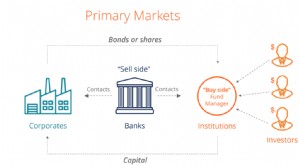
Understanding the Primary Market: A Comprehensive Guide
The primary market is the financial market where new securitiesPublic SecuritiesPublic securities, or marketable securities, are investments that are openly or easily traded in a market. The securitie
-

Understanding the Stock Market: A Beginner's Guide
The stock market refers to public markets that exist for issuing, buying, and selling stocks that trade on a stock exchange or over-the-counter. StocksStockWhat is a stock? An individual who owns stoc
invest
- Fundamental Analysis: A Comprehensive Guide to Investment Valuation
- Consolidation Method Explained: A Comprehensive Guide
- Cost Method Explained: Accounting & Investment Strategies
- 5C Analysis: A Comprehensive Framework for Business Strategy
- Fundamental Analysis: 3 Key Applications for Investors
- Fundamental Analysis: A Comprehensive Guide to Investment Valuation
- Fundamental Analysis: A Beginner's Guide to Stock Investing
- Technical Analysis vs. Fundamental Analysis: A Comprehensive Comparison
- Fundamental Stock Analysis: A Comprehensive Guide for Investors
-
 Understanding the Icahn Effect: How Activist Investing Impacts Stock Prices
The “Icahn lift” refers to the effect on the share price of a company that American businessman Carl Icahn buys into. Due to Mr. Icahn’s prominent reputation of being an activist inv...
-
 Understanding Lock-Up Periods After an IPO: A Comprehensive Guide
A lock-up period, also called a locked-up, lock-in or lock-out period, refers to the predetermined time frame in which corporate insiders, investors, and employees are not allowed to sell or redeem th...