
Understanding Risk Aversion in Investing: A Beginner's Guide
The term risk aversion is often applied to certain types of investors. Here are the basics of risk aversion and what it means to investors.
Risk Aversion
The term risk aversion basically means that you do not like risk. Some investors prefer to play it safe whenever they are investing their money into anything. Because of this, they will evaluate investments based on how much risk they are taking on. While some people see only the possible returns of an investment, other people see how much money they could potentially lose instead.
Choosing Investments
Some level of risk aversion is present in every investor. No one wants to take on an investment that has more risk than potential returns. However, if you plan on making any returns in the investment world, you are going to have to take on a certain amount of risk. Every investment carries with it some level of risk. Therefore, whenever you are choosing investments, you might have to simply choose the investment that has the least amount of risk associated with it. These types of investors will typically invest in CDs, index funds, money market funds and other "safer" investments while avoiding stocks and bonds.
-

Understanding Risk Acceptance: A Comprehensive Guide
Accepting risk is a concept where an individual or business identifies risk and renders it acceptable, thereby making no effort to reduce or mitigate it. The potential loss from the identified and acc
-
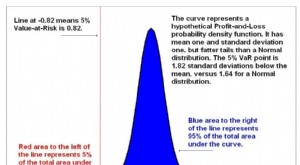
Value at Risk (VaR): Understanding Investment Risk
Value at Risk (VaR) is a financial metric that estimates the risk of an investment. More specifically, VaR is a statistical technique used to measure the amount of potential loss that could happen in
invest
- Understanding Risk Grades: An Investor's Guide
- Understanding Risk Preference: A Comprehensive Guide
- Understanding Operating Risk: A Key Component of Business Risk
- Understanding Financial Risk: A Comprehensive Guide
- Understanding Risk Aversion: Definition & Implications
- Understanding Currency Risk: A Comprehensive Guide
- Understanding Downside Risk: Protecting Your Investments
- Understanding Market Risk: A Comprehensive Guide
- Value at Risk (VaR): Understanding Investment Risk
-
 Understanding Risk and Return in Investing
In investing, risk and return are highly correlated. Increased potential returns on investment usually go hand-in-hand with increased risk. Different types of risks include project-specific ...
-
 Understanding Risk Tolerance: A Guide for Investors
Risk tolerance refers to the amount of loss an investor is prepared to handle while making an investment decision. Several factors determine the level of risk an investor can afford to take. &nbs...