
Modern Portfolio Theory (MPT): A Comprehensive Overview
So, what is it exactly? In the 1950s, a guy named Harry Markowitz won a Nobel Prize for figuring out how to manage your retirement account. That’s an oversimplification, of course, but what you need to know is that a great deal of what governs the advice almost all financial advisors give comes from the work of this man.
Before modern portfolio theory was developed, the operating principle of investing was to look at individual stocks and find “winners”—equities that would produce decent returns without too much risk. The problem was that individual stocks are risky by nature. This new theory said that what investors should seek instead is diversification. That way, you bet on bigger slices of the economy and take advantage of “winners” you might not have thought of, while protecting yourself against unforeseen disasters.
Modern portfolio theory has a basic aim that by now probably sounds familiar: Minimize volatility (risk) and maximize reward (money!) by finding a combination of stocks that won’t have wild swings in value but will provide decent returns.
What are the pros? The first advantage is that this approach tends to manage risk well. You’re investing in lots of stocks, which helps diversify your portfolio. The stocks are also selected to be balanced. For instance, modern portfolio theory argues against investing in equities that are dependent on each other—say, energy stocks and the automobile industry—instead, it preaches investment in things that are not correlated, like oil and the technology sector.
By trading off a bit of risk, optimized portfolios gain reward.
Is there anything to be careful about? Not understanding the reasoning behind what you’re doing is the biggest risk involved with trying to implement modern portfolio theory. People who wake up one day and say, “I’m going to create the perfectly optimized portfolio!” without knowing what they’re doing or understanding the math behind it will likely fail. Also, because the data used to calculate the perfect portfolio is based on past performance, there is no guarantee that it will yield the same results in the future.
-
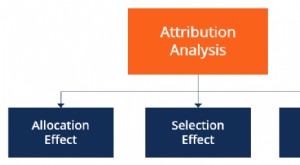
Attribution Analysis: Understanding Portfolio Performance
Attribution analysis, also known as “return attribution” or “performance attribution,” is an evaluation tool used to explain and analyze a portfolio’s performance against
-

Darvas Box Strategy: A Beginner's Guide to Profitable Trading
The Darvas Box Theory was a trading strategy that was invented by self-taught investor Nicolas Darvas, who used to target stocks with pricing and volume as indicators. It makes the Darvas Box Theory s
invest
- Entity Theory: Separating Business & Personal Finances - Definition & Benefits
- Portfolio Variance: Understanding Risk and Diversification
- Understanding Financial Benchmarks: A Comprehensive Guide
- Modern Portfolio Theory (MPT): Maximize Returns, Minimize Risk
- Limitations of Modern Portfolio Theory: Understanding Its Shortcomings
- Modern Portfolio Theory (MPT): A Comprehensive Overview
- Modern Portfolio Theory (MPT): A Beginner's Guide
- Portfolio Rebalancing: A Comprehensive Guide for Investors
- Modern Monetary Theory (MMT): Understanding Government Spending & Debt
-
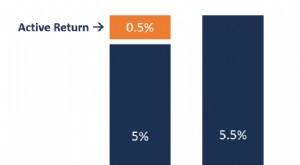 Understanding Portfolio Active Return: Definition & Calculation
Active return refers to the gains or losses from a portfolio that are directly related to the decisions made by the portfolio manager. The active return can be positive or negative, depending on wheth...
-
 Understanding Your Investment Portfolio: A Beginner's Guide
A portfolio is simply what invested assets you’re holding in total, and how they’re divided. Think of your holdings as a banana cream pie — or whichever objectively inferior pie you prefer. This pie i...