
Load Funds Explained: Understanding Commissions & Mutual Funds
A load fund is a mutual fundMutual FundsA mutual fund is a pool of money collected from many investors for the purpose of investing in stocks, bonds, or other securities. Mutual funds are owned by a group of investors and managed by professionals. Learn about the various types of fund, how they work, and benefits and tradeoffs of investing in them that carries a commission to purchase or sell its shares. The load is calculated as a percentage of the amount that an investor purchases or sells. The investor pays the load, which is used to compensate a broker or investment advisor for their time and skill in selecting an appropriate fund.
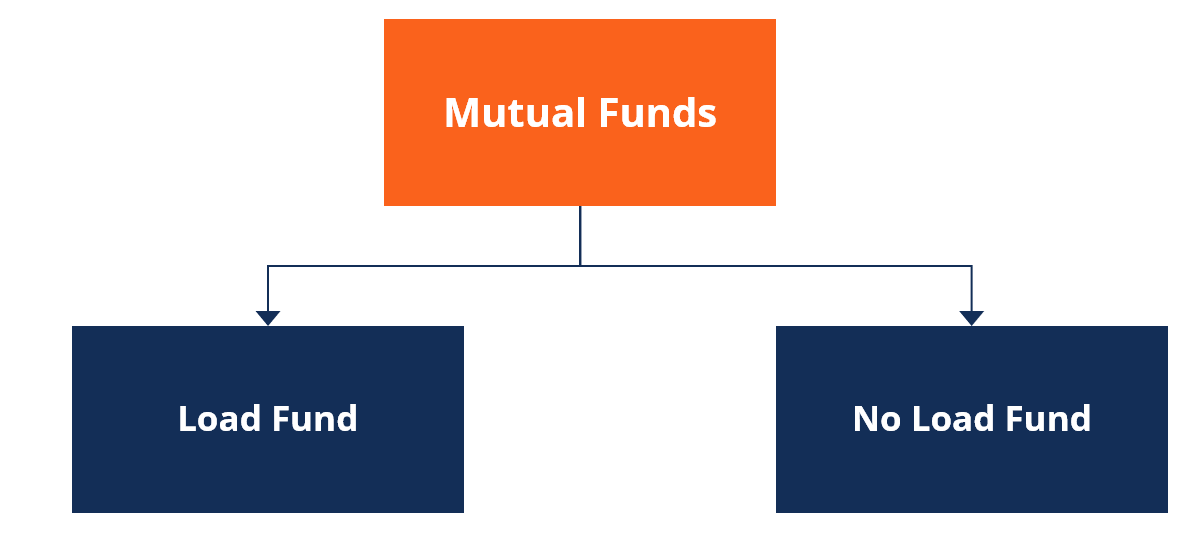
When a load is paid at the time of purchase, it is referred to as a front-end load. A load paid when sharesStockWhat is a stock? An individual who owns stock in a company is called a shareholder and is eligible to claim part of the company’s residual assets and earnings (should the company ever be dissolved). The terms "stock", "shares", and "equity" are used interchangeably. are sold is referred to as a back-end load or a contingent deferred sales charge. A mutual fund may charge between 4% to 8% of the investment amount or a flat fee.
Load Fund vs. No-load Fund
The reason why most investors go for load funds, as opposed to no-load funds, is to compensate the financial intermediary who did the research, recommended, and sold the fund to them. The financial intermediaries,Financial IntermediaryA financial intermediary refers to an institution that acts as a middleman between two parties in order to facilitate a financial transaction. The institutions that are commonly referred to as financial intermediaries include commercial banks, investment banks, mutual funds, and pension funds. such as brokers and financial planners, use their expertise to identify the best possible fund for their client.
In exchange for their skill, the intermediary is paid a commission. If an investor possesses the expertise of researching the best investment and making independent decisions on the sale or purchase of mutual funds, then the investor achieves no benefit in buying load funds from a financial intermediary.
Many investors prefer no-load funds since the option minimizes expenses, which translates to higher returns. A no-load fund is a fund that does not charge a load. No-load funds can be redeemed after a certain duration of time without a sales charge.
The expenses incurred in managing no-load funds are deducted from the gross returns of the fund. For example, if a fund returns 10% before fees and expenses, and the total expenses and expenses amount to 1%, the investor will earn a net return of 9%. No-load funds do not charge sales loads but may charge other types of fees such as exchange fees, redemption fees, and account maintenance fees.
Types of Load Fund Share Classes
Mutual fund companies own multiple shares classesPreferred SharesPreferred shares (preferred stock, preference shares) are the class of stock ownership in a corporation that has a priority claim on the company’s assets over common stock shares. The shares are more senior than common stock but are more junior relative to debt, such as bonds. that give investors several options of paying the sales charges. Each share class comes with its own advantages and disadvantages, which center around the expenses that investors incur:
1. Class A shares
Class A shares are front-end load funds that carry an upfront sales charge on the total amount of the investment. The charge is used to pay for the services of an investment advisor and ranges from 5% to 8%. Investors who invest large amounts of money can benefit from breakout discounts that reduce the sales charge.
Class A shares offer the lowest cost option to investors who plan to invest large dollar amounts over a long period of time. For example, if an investor invests $100,000 in a mutual fund with a load of 5%, the investor will incur a sales charge of $5,000 and remain with a net of $95,000.
2. Class B shares
Class B shares do not carry a front-end sales charge. They, instead, charge a back-end load if the investor sells his/her investment before an agreed period, usually five to eight years. In addition, the investor will incur a redemption fee of up to 6%. Unlike class A shares that offer breakout discounts for large investments, class B shares do not offer breakout shares. However, the back-end charge decreases over the investment timeframe.
Eventually, after a seven or eight year holding period, the investor can exchange the class B shares for class A shares. Class B shares are appropriate for investors who lack adequate capital to invest in class A and qualify for breakout discounts but can hold class B shares for about seven years before exchanging them for class A shares.
3. Class C shares
Class C shares charge a level load of about 1% all through the investment holding period, making it the most expensive share class for investors who plan to hold the investment in the long term. They do not offer breakout discounts. Class C shares are most appropriate for investors who plan to hold the shares for the short term.
Advantages of Load Funds
Although load funds charge a commission, they are still preferred by some investors over no-load funds. Investors pay a commission to the financial intermediary that conducts research on the most appropriate mutual fund to invest in and makes an investment decision on behalf of the client.
Using a financial intermediary protects inexperienced investors from making wrong choices due to a lack of knowledge. Using an expert can help the investor realize better returns by only incurring a small commission.
Related Readings
Thank you for reading CFI’s explanation of a load fund. CFI offers the Financial Modeling & Valuation Analyst (FMVA)™Become a Certified Financial Modeling & Valuation Analyst (FMVA)®CFI's Financial Modeling and Valuation Analyst (FMVA)® certification will help you gain the confidence you need in your finance career. Enroll today! certification program for those looking to take their careers to the next level. To keep learning and advancing your career, the following resources will be helpful:
- Investing: A Beginner’s GuideInvesting: A Beginner's GuideCFI's Investing for Beginners guide will teach you the basics of investing and how to get started. Learn about different strategies and techniques for trading
- Rate of ReturnRate of ReturnThe Rate of Return (ROR) is the gain or loss of an investment over a period of time copmared to the initial cost of the investment expressed as a percentage. This guide teaches the most common formulas
- Service ChargeService ChargeA service charge, also called a service fee, refers to a fee collected to pay for services that relate to a product or service that is being purchased.
- Trading MechanismsTrading MechanismsTrading mechanisms refer to the different methods by which assets are traded. The two main types of trading mechanisms are quote driven and order driven trading mechanisms
-

Understanding Initial Public Offerings (IPOs): A Comprehensive Guide
Flotation is the process of issuing and selling shares to public investors. In other words, it is when a company goes public and issues new shares to raise capital. It is a term commonly used in the U
-
Follow-On Offerings (FPO): A Comprehensive Guide
A follow-on offering (FPO) is when a public company issues more shares after their initial public offering (IPO)Initial Public Offering (IPO)An Initial Public Offering (IPO) is the first sale of stock
invest
- Load Funds Explained: Understanding Sales Charges & Commissions
- Emergency Fund: What It Is & Why You Need One
- Reserve Funds: A Comprehensive Guide for Businesses & Individuals
- Sinking Funds: Definition, Purpose & How They Work
- Endowment Funds: A Comprehensive Guide for Investors & Donors
- Hedge Funds Explained: Strategies, Risks & Investment
- NFO Explained: Understanding New Fund Offers & Investment
- No-Load Funds: Understanding Commission-Free Mutual Funds
- Understanding Vice Funds: A Guide to Controversial Investments
-
 Floating Rate Funds: Understanding & Investing in Variable Interest Rates
A floating rate fund is a type of mutual fund that invests in securities paying fluctuating interest rates. Floating rate funds primarily invest in debt instrumentsDebt InstrumentA debt instrument is ...
-
 Floating Stock Explained: Understanding Publicly Traded Shares
Floating stock is described as the aggregate shares of a company’s stock that are available in the open market. It represents the number of outstanding stock or shares available to the public fo...