
Contributed Capital: Definition & Understanding | [Your Company Name]
Contributed capital is one part of the owner's equity portion of a balance sheet. It is a measure of the amount of money initially invested in a company through the purchase of stock directly from the company. It does not include stock bought from other investors on the secondary market.
Retained Earnings
The other portion of owner's equity on a balance sheet is retained earnings. "Retained earnings" is defined as the portion of the income a company generates that it does not distribute to shareholders as dividends.
Paid in Capital
Contributed capital is also known as "paid in capital."
Calculating Contributed Capital
Contributed capital is the combination of the par value of stock plus any additional amount paid by investors over and above par value. Par value is often set very low for common stock.
Initial Public Offering (“IPO”)
When a company issues an IPO, the money used to purchase those initial shares can be invested by the company to grow the business.
Secondary Market
After an IPO, shares are traded in the secondary market. When stock is purchased on a stock exchange at a fluctuating listed price, it is usually being purchased from another stockholder not the company itself.
-
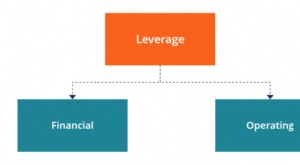
Leverage in Finance: Strategies, Types & Risks
In finance, leverage is a strategy that companies use to increase assets, cash flows, and returns, though it can also magnify losses. There are two main types of leverage: financial and operating. To
-

Parent Company Explained: Definition, Control & Examples
A parent company is a company that owns more than 50% of the outstanding voting shares of another company. Therefore, it controls the other company or companies and can directly influence the business
investing
- Nominal Capital Explained: Definition & Importance for Businesses
- Capital Employed: Definition, Calculation & Importance
- Capital Gains Yield (CGY): Definition & Formula | [Your Brand]
- Invested Capital: Definition & How It Fuels Business Growth
- Understanding Net Investment: A Key Metric for Business Growth
- ROIC: Understanding Return on Invested Capital - Definition & Calculation
- Working Capital Management: A Comprehensive Guide
- Qualifying Transactions: Understanding Public Offerings via Capital Pool Companies
- Capital Rationing: Understanding Investment Constraints & Strategies
-
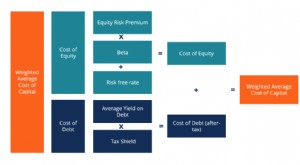 Cost of Capital: Definition, Calculation & Importance
Cost of capital is the minimum rate of returnInternal Rate of Return (IRR)The Internal Rate of Return (IRR) is the discount rate that makes the net present value (NPV) of a project zero. In other word...
-
 Understanding Financial Gearing: Debt & Leverage Explained
Gearing is the amount of debtNet DebtNet debt = total debt - cash. Net debt is a financial liquidity metric that measures a company’s ability to pay all its debts if they were due today. Compare...