
Capital Rationing: Understanding Investment Constraints & Strategies
Capital rationing is a strategy used by organizations attempting to limit the costs of their own investments. Typically, a company engaging in capital rationing has made unsuccessful investments of capital in the recent past and would like to raise the return on those investments prior to engaging in new business.
Why Ration Capital
The main goal of capital rationing is to protect a company from over-investing its assets. If this were to occur, the company might continue to see low return on investment and even face a compromised financial position. Further, this can cause a company's stock to drop.
How to Ration Capital
The main device for capital rationing is increasing the cost of capital. "Cost of capital" is a term used to describe the cost of debt and equity, and it can be raised or lowered based on the company's willingness to borrow money or issue stocks. A company can increase the cost of capital by borrowing less, thus making it more challenging to invest. The company would engage in new products only if the anticipated return is higher than the new cost of capital. For example, raising the cost of capital from 10 percent to 5 percent would demand the company see a 5 percent higher return on any future investment than on those in the past.
What are the benefits of capital rationing?
The main benefit of capital rationing is budgeting a company's corporate resources. When a company issues stock or borrows money, it can use these resources for new investments. However, if the company does not see a good return on investments, it is wasting these resources. By capital rationing, which is the process of increasing the cost of capital, the company can make sure it takes on fewer projects. Further, it can take on only projects for which the anticipated return on investment is high. This will prevent the company from over-extending its finances, which would cause a decrease in stock price and stability.
-

Parent Company Explained: Definition, Control & Examples
A parent company is a company that owns more than 50% of the outstanding voting shares of another company. Therefore, it controls the other company or companies and can directly influence the business
-

Understanding Stocks: A Beginner's Guide to Share Ownership
When a person owns stock in a company, the individual is called a shareholder and is eligible to claim part of the company’s residual assets and earnings (should the company ever have to dissolv
budget
- Nominal Capital Explained: Definition & Importance for Businesses
- Contributed Capital: Definition & Understanding | [Your Company Name]
- Capital Employed: Definition, Calculation & Importance
- Capital Rationing: Definition, Strategy & Impact on Investment Decisions
- Invested Capital: Definition & How It Fuels Business Growth
- Understanding Net Investment: A Key Metric for Business Growth
- ROIC: Understanding Return on Invested Capital - Definition & Calculation
- Working Capital Management: A Comprehensive Guide
- Qualifying Transactions: Understanding Public Offerings via Capital Pool Companies
-
 Understanding Financial Gearing: Debt & Leverage Explained
Gearing is the amount of debtNet DebtNet debt = total debt - cash. Net debt is a financial liquidity metric that measures a company’s ability to pay all its debts if they were due today. Compare...
-
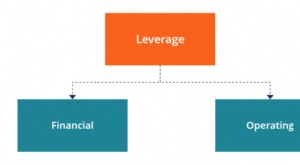 Leverage in Finance: Strategies, Types & Risks
In finance, leverage is a strategy that companies use to increase assets, cash flows, and returns, though it can also magnify losses. There are two main types of leverage: financial and operating. To ...