
Understanding Asset Base: Definition, Value & Significance
Asset base refers to all the assets held by a company that gives value to the business. The value placed on the assets is not fixed and can fluctuate as the company buys and sells new assets. Although such shifts in valuation are normal, large swings in the value of the assets are often viewed as a red flag by analysts and external stakeholdersStakeholderIn business, a stakeholder is any individual, group, or party that has an interest in an organization and the outcomes of its actions. Common examples.

A company’s asset base may serve as collateralCollateralCollateral is an asset or property that an individual or entity offers to a lender as security for a loan. It is used as a way to obtain a loan, acting as a protection against potential loss for the lender should the borrower default in his payments. for a bank loan or other credit.
What is Asset-Based Valuation?
The asset-based approach is the most commonly used valuation method, as it is comprehensive in nature and entails a thorough analysis of what the business owns. It involves using the assets and liabilities values on the balance sheet:
- Asset-based valuation is based on the value of, not the recorded balance of, the assets and liabilities on the balance sheet. The standard valuations used are fair valueFair ValueFair value refers to the actual value of an asset - a product, stock, or security - that is agreed upon by both the seller and the buyer. Fair value is applicable to a product that is sold or traded in the market where it belongs or under normal conditions - and not to one that is being liquidated. and fair market value.
- Balance sheets based on the US GAAPGAAPGAAP, Generally Accepted Accounting Principles, is a recognized set of rules and procedures that govern corporate accounting and financial usually exclude most internal intangible assets even though they may represent a major source of value for a company. The asset-based approach, however, takes into consideration all of the company’s assets (both tangible and intangible) and liabilities (both recorded and contingent).
When is the Asset-based Valuation Approach Used?
The asset-based valuation approach is the generally accepted method for valuing a company. An analyst looks at four factors when valuing a business:
1. Type of company
With regard to the type of company, the asset-based approach can be used by companies that own both tangible and intangible assetsIntangible AssetsAccording to the IFRS, intangible assets are identifiable, non-monetary assets without physical substance. Like all assets, intangible assets. Therefore, the valuation can be used for asset holding companies and asset operating companies. Virtually all businesses fall into one of these two categories.
2. The company’s business interests
Business interests can also affect valuation. The asset-based approach is used to value the overall business and is usually performed during the purchase or sale of the business, or a merger or acquisition. It is also used when the price of the business is directly related to its tangible and intangible assets and not the value of its stock.
3. Types of transactions in the business
The asset-based valuation method is used for taxable transactions to secure financing, as various creditors place a different value on the assets of the business.
4. Availability of data
Lastly, the amount of information available can also affect an analyst’s ability to use this valuation approach. If there is no access to asset-specific information or if there’s been a substantial change(s) in the value of tangible or intangible assets since their valuation date, it can impede the analyst’s ability to use the method.
Asset-based Approach vs. Cost-based Approach
Asset-based valuation is commonly used to value businesses, while the cost-based approach is used to value property. The former approach measures the business equity while the latter approach estimates the individual value of tangible and intangible assets.
The cost-based approach can be used to value various tangible and intangible assets, but for a business that expects to operate long into the future, it is often hard to value certain intangible assets such as goodwillGoodwillIn accounting, goodwill is an intangible asset. The concept of goodwill comes into play when a company looking to acquire another company is and economic obsolescence.
The asset-based approach, on the other hand, incorporates all other valuation approaches and can be used to value certain tangible and intangible assets that cannot be valued under the cost-based approach.
Conclusion
An analyst may choose to use the asset-based approach individually or in congruence with other valuation methods. Various factors come into play when deciding whether or not to value a business using this method, including the quality of data available, the market participants’ acceptance of the approach, and the analyst’s degree of confidence in the valuation placed on the business.
Under the asset-based approach, tangible and intangible assets are valued with the assumption of a going concern for the business being valued. The approach is very comprehensive, and it comes as no surprise that it is the generally accepted valuation standard among numerous authorities.
Related Readings
CFI offers the Financial Modeling & Valuation Analyst (FMVA)®Become a Certified Financial Modeling & Valuation Analyst (FMVA)®CFI's Financial Modeling and Valuation Analyst (FMVA)® certification will help you gain the confidence you need in your finance career. Enroll today! certification program for those looking to take their careers to the next level. To keep learning and advancing your career, the following CFI resources will be helpful:
- Contingent LiabilityContingent LiabilityA contingent liability is a potential liability that may or may not occur. The relevance of a contingent liability depends on the probability of the contingency becoming an actual liability, its timing, and the accuracy with which the amount associated with it can be estimated.
- IB Manual – Balance Sheet AssetsIB Manual – Balance Sheet AssetsBalance sheet assets are listed as accounts or items that are ordered by liquidity. Liquidity is the ease with which a firm can convert an asset into cash. The most liquid asset is cash (the first item on the balance sheet), followed by short-term deposits and accounts receivable. This guide covers all balance sheet assets, examples
- Net Tangible AssetsNet Tangible AssetsNet Tangible Assets (NTA) is the value of all physical ("tangible") assets minus all liabilities in a business. In other words, NTA are the
- Valuation MethodsValuation MethodsWhen valuing a company as a going concern there are three main valuation methods used: DCF analysis, comparable companies, and precedent transactions
-

Face Value Explained: Definition, Examples & Importance
The value mentioned on an instrument like a coin, stamp, or bill is called the face value of that instrument. For example, a $100 bill comes with a face value of $100. In calculus, the face value of 3
-

Understanding Fair Value: Definition & Importance
Fair value refers to the actual value of an asset – a product, stockStockWhat is a stock? An individual who owns stock in a company is called a shareholder and is eligible to claim part of the c
finance
- Asset Dissipation: Financing Your Home with Liquid Assets
- Asset Management: Definition, Types & Importance
- Asset Turnover Ratio: Definition & Importance
- Asset Valuation: Understanding Property Value for Business & Finance
- Fixed Asset Turnover Ratio: Calculation & Importance
- Liquid Assets: Definition, Examples & Importance
- Impaired Assets: Definition, Recognition, and Accounting Standards
- Non-Financial Assets: Definition, Examples & Value
- Assets: Definition, Types & How They Build Wealth | [Your Brand/Website]
-
 Understanding Financial Denomination: A Comprehensive Guide
A denomination is a classification for the face value of a financial instrument. It includes financial instruments, such as bondsBondsBonds are fixed-income securities that are issued by corporations ...
-
 Understanding Equity: A Comprehensive Guide for Investors
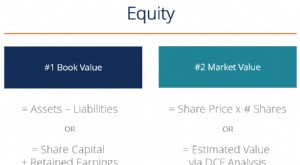
In finance and accounting, equity is the value attributable to the owners of a business. The book value of equity is calculated as the difference between assetsTypes of AssetsCommon types of assets in...