
Understanding Fair Value: Definition & Importance
Fair value refers to the actual value of an asset – a product, stockStockWhat is a stock? An individual who owns stock in a company is called a shareholder and is eligible to claim part of the company’s residual assets and earnings (should the company ever be dissolved). The terms "stock", "shares", and "equity" are used interchangeably., or security – that is agreed upon by both the seller and the buyer. Fair value is applicable to a product that is sold or traded in the market where it belongs or under normal conditions – and not to one that is being liquidated. It is determined in order to come up with an amount or value that is fair to the buyer without putting the seller on the losing end.
For example, Company A sells its stocks to company B at $30 per share. Company B’s owner thinks he could sell the stock at $50 per share once he acquires it and so decides to buy a million shares at the original price. Despite the large profit potential for Company B, the sale is considered fair value because the price was agreed by both sides and they both benefit from the sale.
Fair Value vs. Carrying Value
Fair value and carrying value are two different things. Consider the following:
- Fair value is the actual selling value of an asset that is agreed to be paid by the buyer as set by the seller. Both parties benefit from the sale. Calculating the fair value involves analyzing profit marginsProfit MarginIn accounting and finance, profit margin is a measure of a company's earnings relative to its revenue. The three main profit margin metrics, future growth rates, and risk factors.
- Carrying value is also called book value, which refers to the amount or value of an asset as it appears on the balance sheet. It is determined by deducting the accumulated depreciation of the asset, as well as the impairment expensesGoodwill Impairment AccountingGoodwill is acquired and recorded on the books when an entity purchases another entity for more than the fair market value of its assets., from the original price as indicated on the balance sheet.
- Carrying value reflects not the original purchasing price of the asset but its actual value after a number of years.
To illustrate, let’s say Company A, a construction company, bought a backhoe for its operations at $30,000. Assuming it will last for 10 years, with a depreciation expense of $2,000 for each year, then its carrying value would already be $10,000.
Carrying Value = $30,000 – ($2,000 x 10) = $10,0000
To learn more, check out CFI’s Business Valuation Modeling course.
Fair Value vs. Market Value
Market value is also different from fair value in the following points:
- Market value fluctuates more than fair value.
- It may be based on the most recent pricing or quotation of an asset. For example, if during the last three months, the value of a share in Company A was $30 and during the most recent evaluation, it went down to $20, then its market value is $20.
- Market value is dependent on supply and demandSupply and DemandThe laws of supply and demand are microeconomic concepts that state that in efficient markets, the quantity supplied of a good and quantity in the market where the asset is bought and sold. For example, a house that is to be sold will see its price determined by existing market conditions in the local area.
If the owner tries to sell a property for $200,000 during a low time in the real estate market, then it might not get sold because the demand is low. But if it is offered for $500,000 during a high time, it may get sold at that price.
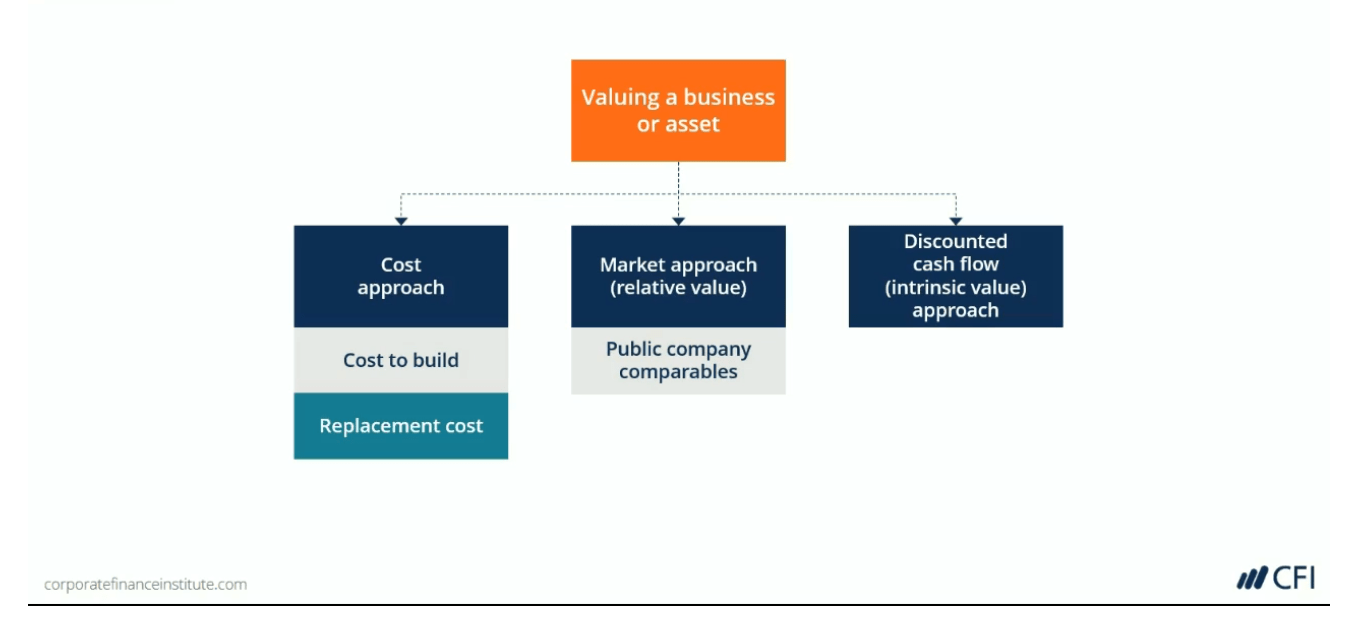
Advantages of Fair Value Accounting
Fair value accounting measures the actual or estimated value of an asset. It is one of the most commonly used financial accounting methods because of its advantages, which include:
1. Accuracy of valuation
With fair value accounting, valuations are more accurate, such that the valuations can follow when prices go up or down.
2. True measure of income
With fair value accounting, it is total asset value that reflects the actual income of a company. It doesn’t rely on a report of profits and losses but instead just looks at actual value.
3. Adaptable to different types of assets
Such a method is able to make valuations across all types of assets, which is better than using historical cost value which may change through time.
4. Helps businesses survive
Fair value accounting helps businesses survive during a financially difficult time because it allows asset reduction (or the act of declaring that the value of an asset that is included in a sale was overestimated).
To learn more, check out CFI’s Business Valuation Modeling course.
More Resources
Thank you for reading CFI’s explanation of fair value. CFI is the official provider of the Financial Modeling and Valuation Analyst (FMVA)™Become a Certified Financial Modeling & Valuation Analyst (FMVA)®CFI's Financial Modeling and Valuation Analyst (FMVA)® certification will help you gain the confidence you need in your finance career. Enroll today! certification program, designed to transform anyone into a world-class financial analyst.
To keep learning and developing your knowledge of financial analysis, we highly recommend the additional CFI resources below:
- Enterprise Value vs. Equity ValueEnterprise Value vs Equity ValueEnterprise value vs equity value. This guide explains the difference between the enterprise value (firm value) and the equity value of a business. See an example of how to calculate each and download the calculator. Enterprise value = equity value + debt - cash. Learn the meaning and how each is used in valuation
- Forced Sale ValueForced Sale ValueA forced sale value is the estimate of the amount that a business would receive if it sold off its assets one piece at a time during an unforeseen or uncontrollable event. The appraiser assumes that the business needs to sell its assets within a short duration at an immediate auction.
- GoodwillGoodwillIn accounting, goodwill is an intangible asset. The concept of goodwill comes into play when a company looking to acquire another company is
- Methods of DepreciationDepreciation MethodsThe most common types of depreciation methods include straight-line, double declining balance, units of production, and sum of years digits.
-
Discount Rate: Definition, Calculation & Importance in Finance
In corporate financeCorporate Finance OverviewCorporate finance deals with the capital structure of a corporation, including its funding and the actions that management takes to increase the value of,
-
Understanding Forced Sale Value: A Business Valuation Guide
A forced sale value is the estimate of the amount that a business would receive if it sold off its assets one piece at a time during an unforeseen or uncontrollable event. The appraiser assumes that t
finance
- Understanding Financial Denomination: A Comprehensive Guide
- Understanding Equity: A Comprehensive Guide for Investors
- Face Value Explained: Definition, Examples & Importance
- Understanding Money: Definition, History & Value
- Nominal Value Explained: Definition & Financial Significance
- Understanding Value Added: Definition & Business Applications
- What is Value Date?
- Book Value vs. Fair Value: Understanding the Difference
- Understanding Fair Market Value: A Comprehensive Guide
-
 Compound Annual Growth Rate (CAGR): Definition & Calculation
CAGR stands for the Compound Annual Growth Rate. It is the measure of an investment’s annual growth rate over time, with the effect of compounding taken into account. It is often used to measure...
-
 Value Investing: A Comprehensive Guide to Finding Undervalued Investments
Value investing, as the name suggests, consists of finding investments that are good value for money. A value investor actively seeks out stocks, bonds or other investments that he or she believes hav...