
Face Value Explained: Definition, Examples & Importance
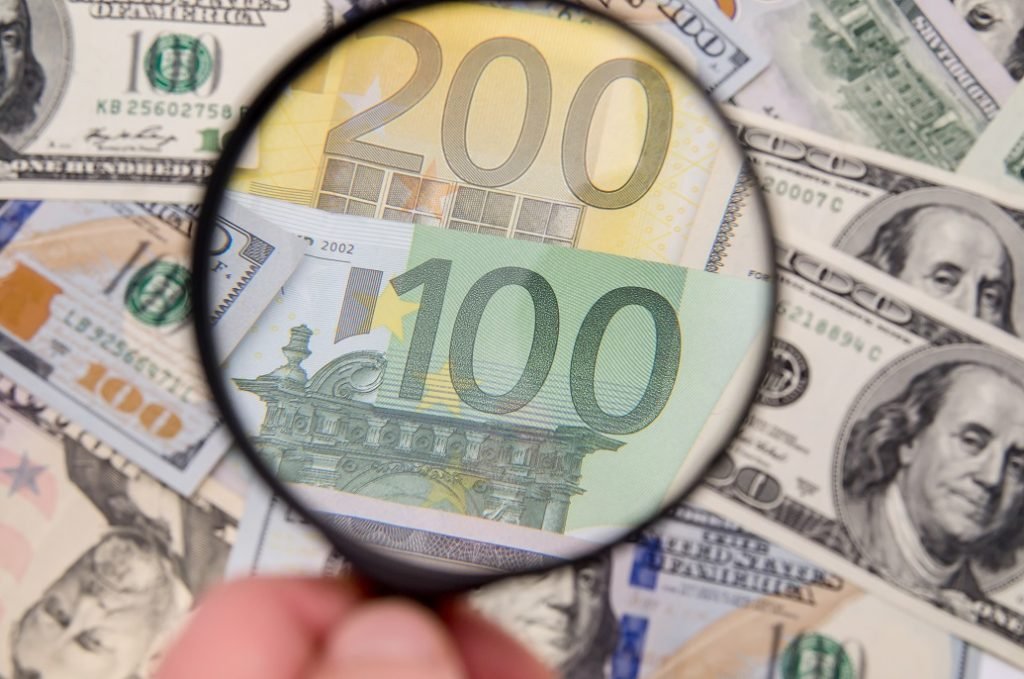
The value mentioned on an instrument like a coin, stamp, or bill is called the face value of that instrument. For example, a $100 bill comes with a face value of $100. In calculus, the face value of 3 in 546738 is 3 itself.
Summary
- Face value is the amount displayed on a banknote, bill, or certificate. Its numeral amount always remains constant unless the instrument is broken into pieces, i.e., a stock split.
- The face value was established many years ago to make sure companies didn’t sell shares below a specific price.
Significance of Face Value
In the era of digitalization, shareholders do not receive certificatesCertificate of Deposit (CD)A certificate of deposit (CD) refers to a financial product that is offered by financial institutions – such as banks and credit unions – that allow of their holdings. Instead, their holdings are stored in digital forms. Hence, in such a case, face value becomes less important.
Years ago, face value was used to make sure companies didn’t sell shares below a specific price. They were also set to protect the investor in the days of limited information. It also gave the investors confidence in knowing how much their investments were worth. The face value also benefited the issuers. By setting a value to the instrument, they would expect to sell nothing less than the face value.
Also, face value is important in the calculation of bond prices. The interest on the bond is based on its face value. Unlike stocks, the price of a bond is profoundly based on the face value of the bond.
Face Value in Accounting
Financial instruments can either be sold at face value, at a discount, or for a premium. For example, when interest ratesInterest RateAn interest rate refers to the amount charged by a lender to a borrower for any form of debt given, generally expressed as a percentage of the principal. rise, the demand for the lower interest-paying bond will go down. Hence, the issuer will sell the bonds for a discount to make them more attractive.
Face Value vs. Market Value vs. Book Value
The market value of an instrument is the current price one would receive if they sell it in the market. For example, the current stock price of Apple (AAPL) is $135. Hence, the amount is its current market value. Below is the formula for the market value of a public company:
Market Value = Number of Shares Outstanding x Market Value Per Share
The book value of an instrument is the price that the current holder of the instrument purchased it for. For the shareholders of a company, the book value of the company is the net equity of the company on the balance sheet.
For example, a company issues the shares for the first time for $100. A year later, as per the company’s financial statements show the equity value (total assets – total liabilities) increase to $120. The stock is trading on the stock exchange for $125. In such a case, the face value of the stock is $100, the book value is $120, and the market value is $125.
When Does the Face Value Change?
The face value of an instrument doesn’t change except in the case of a stock split. During a stock split, shares are split into more shares. For example, a company announces a 2-for-1 stock split, which means a shareholder who owns one share will get two shares after the split. In such a case, the face value of the shares will also change.
In the example, if the stock’s original face value is $100, it would change to $50 after the split. The rationale behind the stock split is to reduce the price of the stocks so that they become more accessible to a broader base of investors.
For example, Tesla announced a 5-to-1 stock split in September 2020. It means a holder of one share received five shares. The stock split led to Tesla’s share price being reduced from $2,213.40 per share to $444.60.
Face Value of an Insurance Policy
The face value of an insurance product is the death benefitAccidental Death BenefitAccidental death benefit is a type of insurance policy that pays in the event of the accidental death of an insured person. It is different from life, i.e., the amount that is paid out when the insured passes away. For example, a life insurance policy taken for $1 million is the face value of the insurance policy. The higher the face value, the higher the monthly or annual premium payments will be.
Below are some of the reasons why the face value of an insurance policy could change:
- If the policyholder takes a loan against their policy, the face value of the policy could decrease, as they are withdrawing money from the policy.
- If the cash value or the interest accumulated on the insurance policy goes beyond a certain extent, the face value of the policy will go up.
- Certain conditions or riders on the policy – like disability claims – will increase the cash payout, thereby increasing the face value of the policy.
Additional Resources
CFI is the official provider of the Commercial Banking & Credit Analyst (CBCA)™Program Page - CBCAGet CFI's CBCA™ certification and become a Commercial Banking & Credit Analyst. Enroll and advance your career with our certification programs and courses. certification program, designed to transform anyone into a world-class financial analyst.
In order to help you become a world-class financial analyst and advance your career to your fullest potential, these additional resources will be very helpful:
- Bond PricingBond PricingBond pricing is the science of calculating a bond's issue price based on the coupon, par value, yield and term to maturity. Bond pricing allows investors
- Life and Health InsurersLife and Health InsurersLife and health (L&H) insurers are companies that provide coverage on the risk of loss of life and medical expenses incurred from illness or injuries. The customer - the purchaser of the insurance policy - pays an insurance premium for the coverage.
- Book ValueBook ValueBook value is a company’s equity value as reported in its financial statements. The book value figure is typically viewed in relation to the
- Stock SplitStock SplitPublicly-traded companies all have a given number of outstanding shares or shares of stock in their company that have been purchased by and issued to investors. A stock split is a decision by the company to increase the number of outstanding shares by a specificied multiple.
-

Gross Merchandise Value (GMV): Definition & Importance
Gross Merchandise Value (GMV), also referred to as gross merchandise volume, is the total amount of sales a company makes over a specified period of time, typically measured quarterly or yearly. GMV i
-

Initial Outlay: Definition, Examples & Business Implications
An initial outlay refers to the initial investments needed in order to begin a given project. For instance, if opening a new factory, a company would need to purchase new land and machinery in order t
finance
- Understanding Bond Face Value: Definition & Importance
- Understanding Financial Denomination: A Comprehensive Guide
- Understanding Equity: A Comprehensive Guide for Investors
- Understanding Fair Value: Definition & Importance
- Understanding Money: Definition, History & Value
- Nominal Value Explained: Definition & Financial Significance
- Understanding Value Added: Definition & Business Applications
- What is Value Date?
- Understanding Current Face Value of Mortgage-Backed Securities (MBS)
-
 Discount Rate: Definition, Calculation & Importance in Finance
In corporate financeCorporate Finance OverviewCorporate finance deals with the capital structure of a corporation, including its funding and the actions that management takes to increase the value of,...
-
 Understanding Forced Sale Value: A Business Valuation Guide
A forced sale value is the estimate of the amount that a business would receive if it sold off its assets one piece at a time during an unforeseen or uncontrollable event. The appraiser assumes that t...