
Understanding Proceeds: Definition, Types & Calculation
Proceeds refers to the cash received from the sale of goods or assetsTypes of AssetsCommon types of assets include current, non-current, physical, intangible, operating, and non-operating. Correctly identifying and during a particular period. The total is obtained by multiplying the quantities sold by the selling price per unit. The proceeds received before any deductions are made are known as gross proceeds, and they comprise all the expenses incurred in the transaction such as legal fees, shipping costs, and broker commissions.

Net proceeds equal the gross proceeds minus all the costsFixed and Variable CostsCost is something that can be classified in several ways depending on its nature. One of the most popular methods is classification according and expenses that the business incurred when carrying out the transaction. Comparing the net and gross proceeds of a business can help management know how profitable the business is, and understand how much of its profits are lost to expenses.
Gross Proceeds vs. Net Proceeds
When a business sells an asset, whether tangible or intangible, it receives a payment, which is the gross proceeds. The amount includes the costs of production and other costs and expenses related to the transaction.
For example, if a real estate agent sells a house for $100,000, that amount represents the gross proceeds. The amount includes the agent’s fees or commissionCommissionCommission refers to the compensation paid to an employee after completing a task, which is, often, selling a certain number of products or services, as well as the closing costs. The concept of gross proceeds also applies to other types of assets, such as bonds and stocks where broker fees and related transaction costs are incurred.
Net proceeds are the final consideration that the asset owner/seller receives after deducting all costs and expenses incurred in the transaction. When disposing of a house, the first cost that is deducted from the cash received is the success feeSuccess FeeIn finance, a success fee is a commission paid to an advisor (typically an investment bank) for successfully completing a transaction. The fee is contingent on successfully helping the client achieve their goal, and thus aligns the interests of the client and the advisor. Typically a percentage of the deal value. That fee is paid to the real estate agent for the successful sale of the house to another party.
The other costs incurred include closing date obligations such as deferred taxes and outstanding debt on the property. All the costs are deducted before the owner receives the final proceeds from the sale of the house. A higher selling price does not always result in higher net proceeds, since too many transaction costs and hidden expenses may reduce the net proceeds.
Net Proceeds in Real Estate
When selling a home, the seller needs to take into account the sale price amount and all the costs associated with selling the real estate property. The sale price amount is recorded on the credit side because that is what the seller receives. Other credits include prepaid property taxes. The costs associated with selling homes are charged against the sale price, and will, therefore, be recorded on the debit side.
Some of the costs that may be recorded on the debit side include escrow handling fees, transfer fees, outstanding mortgageMortgageA mortgage is a loan – provided by a mortgage lender or a bank – that enables an individual to purchase a home. While it’s possible to take out loans to cover the entire cost of a home, it’s more common to secure a loan for about 80% of the home’s value., excise tax, pest inspection costs, home warranty, roof inspection, repairs, homeowner association fees, etc. Add up all the debits to determine the total debts and deduct the total from the credits to get the seller’s net proceeds.
Net Proceeds in Capital Gains Taxes
The net proceeds from the sale of an asset are recorded in an individual or corporate account. Taxpayers are required to pay taxes to the federal government on the capital gains realized from assets. In order to obtain the capital gains or losses on assets, you must have the basis amount, which is the amount paid to acquire the asset.
Example
Assume that an investor purchased $5,000 in stock and paid an additional $50 in commissions to the broker. The total basis is $5,050. If the stock is inherited, the asset basis becomes the fair market value on the day that the original owner died, regardless of whether it is more or less than what was initially paid.
If the investor sells the stock to another investor for $6,000 and pays $60 in broker commissions, then the net proceeds of the transaction are $5,940 ($6,000 – 60). To get the capital gains, subtract the basis from the net proceeds. It brings the capital gains to $890 ($5,940 – $5,050). The tax rate applied to the capital gains or losses depends on the duration the asset was owned.
How to Record Proceeds and Associated Expenses
An asset sale is recorded in the books of accounts with the goal of eliminating the asset and its accumulated depreciation from the balance sheet. Here are the options for the treatment of an asset sale transaction:
1. Sale of asset journal entry
When a sale transaction takes place, a journal entry is made to update the depreciation expenseDepreciation ExpenseWhen a long-term asset is purchased, it should be capitalized instead of being expensed in the accounting period it is purchased in., increase the cash account with the amount received, decrease (credit) the asset account, and record the gain or loss on the sale of the asset.
2. Depreciation expense
The depreciation on the disposed asset is recorded to update the book value of the asset. The amount is debited in the depreciation expense account and credited in the accumulated depreciation account. It is captured in the income statement as an expense that reduces the gross proceeds. The accumulated depreciation reduces the value of the asset to the current book value.
3. Gain or loss on the sale of an asset
The difference between the current book value of the asset and the proceeds received from the sale of the asset determines if the business made a gain or a loss. If the proceeds exceed the current book value of the asset, then the business is deemed to have made a gain.
Conversely, if the proceeds received are less than the asset book value, the business is deemed to have incurred a loss. The proceeds received are debited in the cash account, while the loss is debited in the loss on sale of asset account and the gain credited in the gain on sale of asset account. The gain raises the gross profit in the income statement, whereas the loss reduces the gross profit in the income statement.
Additional Resources
CFI is the official provider of the Financial Modeling and Valuation Analyst (FMVA)™Become a Certified Financial Modeling & Valuation Analyst (FMVA)®CFI's Financial Modeling and Valuation Analyst (FMVA)® certification will help you gain the confidence you need in your finance career. Enroll today! certification program, designed to transform anyone into a world-class financial analyst.
To keep learning and developing your knowledge of financial analysis, we highly recommend the additional CFI resources below:
- Cash Flow from Investing ActivitiesCash Flow from Investing ActivitiesCash Flow from Investing Activities is the section of a company's cash flow statement that displays how much money has been used in (or
- Capital GainCapital GainA capital gain is an increase in the value of an asset or investment resulting from the price appreciation of the asset or investment. In other words, the gain occurs when the current or sale price of an asset or investment exceeds its purchase price.
- InheritanceInheritanceInheritance refers to all or part of the assets of an estate that are passed on to the heirs after the death of the estate owner. The inheritance may be in
- Projecting Income Statement Line ItemsProjecting Income Statement Line ItemsWe discuss the different methods of projecting income statement line items. Projecting income statement line items begins with sales revenue, then cost
-

Understanding Excess Reserves: What Banks Hold & Why It Matters
Excess reserves refer to the cash held by a bank or other financial institution above the reserve requirement that an authority sets. The amount of excess reserves is equal to the total reserves reduc
-

Fidelity Bonds: Protection Against Employee Dishonesty & Fraud
Fidelity bonds are designed to protect their policyholders from any loss that occurs as a result of harmful or deceitful actions by specifically indicated parties. In most cases, fidelity bonds are us
finance
- Understanding Agency Costs: Protecting Shareholder Interests
- Understanding Fixed Costs: Definition, Examples & Importance
- Understanding Flotation Costs: A Comprehensive Guide
- Understanding Explicit Costs: Definition & Examples
- Understanding Inventoriable Costs: Definition & Examples
- Period Costs: Definition, Examples & Impact on Financial Statements
- Understanding Product Costs: Direct Materials, Labor & Overhead
- Understanding Variable Costs: Definition & Examples
- Understanding Switching Costs: Barriers to Customer Loyalty
-
 Understanding Earnings: A Guide to Financial Profitability
Earnings refer to the income that an individual or organization gains during a certain period. They can be found on a company’s income statement and are used to measure the profitability of that...
-
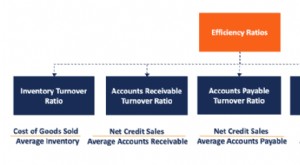 Understanding Efficiency Ratios: A Key to Business Performance
Efficiency ratios are metrics that are used in analyzing a company’s ability to effectively employ its resources, such as capital and assets, to produce income. The ratios serve as a comparison ...